
Animal Wound Care Market Overview
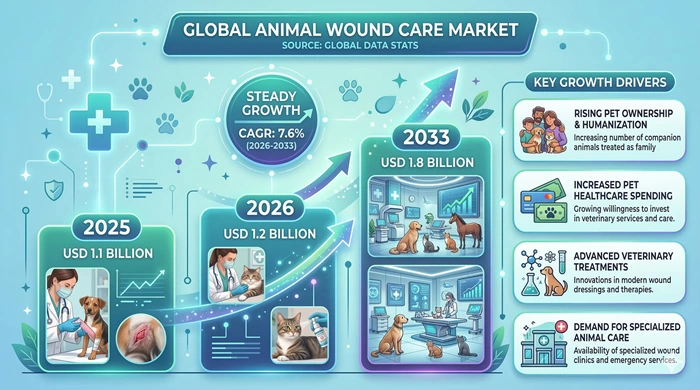
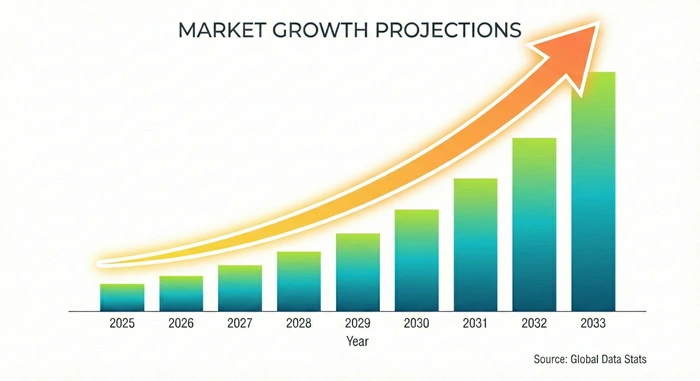
The global animal wound care market size is valued at USD 1.1 billion in 2025 and is predicted to increase from USD 1.2 billion in 2026 to approximately USD 1.8 billion by 2033, growing at a CAGR of 7.6% from 2026 to 2033.
Animal wound care encompasses a broad range of veterinary products and therapies used to manage, treat, and heal wounds in both companion animals and livestock. The rising global pet ownership rates, growing humanization of pets, increasing veterinary healthcare expenditure, and the expanding livestock sector are collectively driving consistent demand for advanced wound management solutions. From antimicrobial dressings and wound closure devices to topical healing agents and negative pressure wound therapy systems, the product landscape is rapidly evolving to match the clinical sophistication already established in human wound care.
AI Impact on the Animal Wound Care Industry
Artificial Intelligence Is Enhancing Veterinary Wound Diagnosis, Treatment Planning, and Predictive Healing Analytics Across the Companion Animal and Livestock Sectors
Artificial intelligence is beginning to make a meaningful impact on the animal wound care market by enabling smarter, faster, and more accurate wound assessment tools. AI-powered imaging applications that analyze photographs of animal wounds are being developed to measure wound dimensions, classify tissue types, and track healing progression over time without requiring physical examination. These tools are particularly valuable for large animal livestock settings where frequent hands-on veterinary assessment is logistically challenging, and for telemedicine platforms that allow pet owners to monitor their animals' wounds remotely under veterinary guidance.
In drug development and formulation science, AI is helping veterinary pharmaceutical companies optimize wound care product compositions by simulating ingredient interactions and predicting efficacy outcomes in silico before committing to expensive preclinical trials. Machine learning models are also being used to identify patterns in veterinary wound treatment outcomes across large clinical datasets, helping manufacturers and veterinarians understand which combinations of products and protocols produce the fastest, most complication-free healing results. As veterinary digital health infrastructure matures, AI-enabled wound management will become an increasingly standard component of advanced veterinary practice.
Growth Factors
Surging Global Pet Ownership, Growing Humanization of Companion Animals, and Expanding Veterinary Healthcare Infrastructure Are the Primary Engines of Market Expansion
The most fundamental growth driver for the animal wound care market is the global surge in pet ownership, which has accelerated significantly since the pandemic years and shows no signs of reversing. In the United States alone, approximately 67% of households own at least one pet, and similar trends are emerging across Europe, Asia Pacific, and Latin America. As pet owners increasingly regard their animals as family members, their willingness to invest in high-quality veterinary care — including advanced wound management products — has risen substantially, driving premium product adoption across companion animal wound care categories.
The growing sophistication of the veterinary profession is another critical growth catalyst. Veterinary specialists in surgery, dermatology, and emergency medicine are increasingly adopting wound care protocols and product categories that parallel those used in human medicine, including negative pressure wound therapy, bioengineered tissue substitutes, and advanced antimicrobial dressings. Veterinary education is also increasingly incorporating wound care management as a specialized competency, expanding the pool of clinicians equipped to use advanced wound care products effectively. Simultaneously, the livestock sector is investing more heavily in animal health management to improve productivity, reduce antibiotic use, and comply with food safety standards, which is driving growing demand for effective wound care solutions in farm animal populations.
Market Outlook
With a Growing Pet Population, Rising Veterinary Spending, and Expanding Application of Human Wound Care Technologies in Veterinary Medicine, the Animal Wound Care Market Is Well-Positioned for Sustained Growth Through 2033
The medium-to-long-term outlook for the animal wound care market is consistently positive, supported by structural demographic and healthcare spending trends that are unlikely to reverse within the forecast period. The global pet population is expected to continue growing, and as emerging market middle classes expand — particularly across Asia Pacific and Latin America — first-time pet ownership will accelerate in regions that have historically been underpenetrated by veterinary wound care products. This expanding geographic base will create new revenue opportunities for both global and regional manufacturers.
From a product innovation standpoint, the pipeline of veterinary-specific wound care formulations is strengthening. Several companies are developing products specifically designed for the unique anatomical and physiological characteristics of different animal species, moving beyond simple adaptation of human wound care products. Bioactive wound dressings incorporating veterinary-specific antimicrobial agents, growth factors, and collagen scaffolds are entering the market with promising clinical data, and their adoption in specialty veterinary clinics is expected to grow steadily through 2033. Favorable regulatory pathways for veterinary medical devices and topical products in the U.S. and EU are also shortening time-to-market for innovative wound care solutions.
Expert Speaks
-
Kristin Peck, CEO, Zoetis — "Animal health, including wound care and post-surgical recovery, is one of the fastest-evolving areas in veterinary medicine. Pet owners are increasingly demanding the same standard of care for their animals that they expect for themselves, and we are committed to developing innovative wound management solutions that meet that expectation across both the companion animal and livestock sectors."
-
Scott Lehr, CEO, IDEXX Laboratories — "The professionalization of veterinary practice globally is creating genuine opportunities to bring evidence-based wound care protocols into everyday clinical settings. Digital tools that support wound monitoring and treatment tracking are a natural complement to diagnostic innovation, and we see growing demand for integrated solutions that help veterinarians achieve better healing outcomes."
-
Gavin Herbert Jr. (representing Elanco Animal Health strategic direction) — "Livestock health management is evolving rapidly as producers face tighter food safety requirements and increasing pressure to reduce reliance on systemic antibiotics. Effective topical wound care solutions that prevent infection at the site of injury play an important role in this transition, and we see sustained investment and innovation in this category continuing through the decade."
Key Report Takeaways
-
North America dominates the animal wound care market with approximately 40% of global revenue in 2026, driven by the highest per-capita veterinary spending in the world, a large and deeply engaged pet-owning population, and strong adoption of advanced wound care products across companion animal specialty clinics
-
Asia Pacific is the fastest-growing region, projected to expand at a CAGR of approximately 9.8% through 2033, as rapidly rising pet ownership rates in China and India, improving veterinary infrastructure, and growing livestock sector investment converge to create strong and sustained demand
-
Companion animals, particularly dogs and cats, represent the dominant animal type segment accounting for approximately 62% of total market revenue in 2026, reflecting the premium care standards applied to pets in developed markets and the accelerating humanization of animals globally
-
Wound care dressings are the leading product type segment, holding approximately 38% of market share in 2026, as advanced dressing technologies including antimicrobial and hydrogel formulations see growing adoption in veterinary surgical and trauma wound management
-
Veterinary hospitals and clinics are the primary end-user segment, accounting for nearly 58% of market revenue in 2026, as most animal wound management — especially for complex surgical and traumatic wounds — is initiated and supervised within professional veterinary clinical settings
-
Negative pressure wound therapy (NPWT) devices are the fastest-growing product sub-segment with a projected CAGR of approximately 11.2% through 2033, reflecting the rapid translation of this proven human wound care technology into veterinary practice for managing complex wounds in companion animals
Market Scope
| Report Coverage | Details |
|---|---|
| Market Size by 2033 | USD 1.8 Billion |
| Market Size by 2025 | USD 1.1 Billion |
| Market Size by 2026 | USD 1.2 Billion |
| Market Growth Rate (2026–2033) | CAGR of 7.6% |
| Dominating Region | North America |
| Fastest Growing Region | Asia Pacific |
| Base Year | 2025 |
| Forecast Period | 2026 – 2033 |
| Segments Covered | Product Type, Animal Type, Wound Type, End User |
| Regions Covered | North America, Europe, Asia Pacific, Latin America, Middle East & Africa |
Market Dynamics
Drivers Impact Analysis
Rising Pet Ownership, Humanization of Animals, and Increasing Veterinary Expenditure Are the Three Core Forces Accelerating Consistent Growth in the Animal Wound Care Market
| Driver | ≈ % Impact on CAGR Forecast | Geographic Relevance | Impact Timeline |
|---|---|---|---|
| Surging global pet ownership and humanization of companion animals | ~33% | Global, especially North America & Asia Pacific | Near to Long Term |
| Growing veterinary healthcare expenditure and specialist adoption | ~28% | North America, Europe | Near to Long Term |
| Increasing livestock sector investment and antibiotic reduction pressure | ~22% | Asia Pacific, Latin America, Europe | Mid to Long Term |
| Technology transfer of human advanced wound care products to veterinary use | ~17% | North America, Europe | Mid Term |
The animal wound care market is fundamentally driven by the sustained global growth of the companion animal population and the deepening emotional and financial commitment of pet owners to their animals' health. Veterinary care spending in the United States has consistently grown year-over-year, and surveys indicate that pet owners are willing to spend significantly more on post-surgical recovery and wound management than they were a decade ago. This behavioral shift is directly expanding the market for advanced veterinary wound care products beyond basic antiseptics and gauze into premium dressings, bioactive compounds, and therapeutic devices.
The regulatory push to reduce systemic antibiotic use in livestock is another powerful driver that is reshaping the animal wound care landscape in the agricultural sector. As governments across Europe, North America, and increasingly Asia Pacific implement stricter regulations on prophylactic antibiotic administration in farm animals, livestock producers are seeking effective topical wound care alternatives that can manage infections at the wound site without systemic antibiotic treatment. This regulatory shift is creating growing demand for veterinary-specific antimicrobial wound dressings, antiseptic topicals, and debridement agents that can replace or reduce antibiotic dependence in commercial farming environments.
Restraints Impact Analysis
High Cost of Advanced Veterinary Wound Products, Limited Awareness in Emerging Markets, and Regulatory Complexity for Veterinary Medical Devices Are Slowing Full Market Potential
| Restraint | ≈ % Impact on CAGR Forecast | Geographic Relevance | Impact Timeline |
|---|---|---|---|
| High cost of advanced wound care products limiting uptake outside premium segments | ~30% | Emerging markets, price-sensitive pet owners | Near to Long Term |
| Limited veterinary specialist availability in low-income regions | ~27% | Asia Pacific, Latin America, MEA, Africa | Mid to Long Term |
| Regulatory complexity for veterinary medical devices in multiple markets | ~25% | Global | Mid Term |
| Low awareness of advanced wound care options among general practice veterinarians | ~18% | Global | Near to Mid Term |
Despite strong underlying demand, the animal wound care market faces meaningful barriers related to product accessibility and price. Advanced wound care dressings, NPWT devices, and bioengineered veterinary wound therapies carry high unit costs that are often beyond the reach of average pet owners in emerging markets. Even in developed markets, the absence of comprehensive veterinary insurance coverage for wound care products means that out-of-pocket expenses can deter owners from pursuing the most clinically optimal treatment options, limiting premium product penetration.
The fragmented and inconsistent regulatory environment for veterinary medical devices across different countries adds cost and complexity to product development and market entry. Companies seeking to commercialize novel wound care technologies for animal use must navigate different regulatory classifications, approval requirements, and post-market surveillance obligations in the U.S., EU, and key emerging markets, which can significantly extend timelines and increase costs. For smaller and mid-sized veterinary wound care manufacturers, these regulatory barriers can be particularly challenging and may delay the introduction of innovative products into markets where clinical need is high.
Opportunities Impact Analysis
Emerging Market Pet Ownership Growth, Telemedicine-Enabled Wound Monitoring, and Advanced Biomaterial Innovation Create Strong New Growth Avenues for Market Participants
| Opportunity | ≈ % Impact on CAGR Forecast | Geographic Relevance | Impact Timeline |
|---|---|---|---|
| Rapid pet ownership growth in Asia Pacific and Latin America | ~34% | Asia Pacific, Latin America | Mid to Long Term |
| Veterinary telemedicine enabling remote wound monitoring | ~27% | North America, Europe, Asia Pacific | Near to Mid Term |
| Bioactive and biomaterial-based veterinary wound product innovation | ~24% | Global | Mid to Long Term |
| Livestock wound care expansion driven by food safety and antibiotic stewardship | ~15% | Europe, Asia Pacific, Latin America | Mid Term |
The rapidly growing middle-class pet ownership trend in Asia Pacific is creating a compelling emerging market opportunity for the animal wound care market. Countries like China, India, Vietnam, and Brazil are experiencing dramatic increases in companion animal adoption, particularly among urban millennials who bring strong humanization attitudes and high healthcare expectations to pet ownership. As veterinary infrastructure in these markets matures and awareness of advanced wound care products improves, first-time pet owners in these regions will increasingly drive premium veterinary product adoption.
Veterinary telemedicine is emerging as a powerful distribution and service delivery innovation that can significantly expand the reach of animal wound care management. Platforms that allow pet owners to share wound images and receive guidance from licensed veterinarians remotely are already operational in several markets, and their integration with e-commerce channels for direct wound care product delivery is creating a seamless new consumer pathway. This model removes the geographic barriers that have historically limited access to quality veterinary wound care advice in rural and underserved areas, opening substantial new market volume.
Segment Analysis
By Product Type
Wound Care Dressings Lead the Product Type Segment With the Highest Market Share, While NPWT Devices Emerge as the Fastest-Growing Sub-Category in Veterinary Wound Management
Wound care dressings hold the dominant position within the animal wound care market, accounting for approximately 38% of total market revenue in 2026 and growing at a CAGR of around 7.1% through 2033. This sub-segment encompasses a wide range of advanced veterinary dressing technologies including foam dressings for high-exudate wounds, hydrogel dressings for dry or necrotic wounds, antimicrobial silver and iodine-impregnated dressings for infected wounds, and collagen-based dressings that actively support tissue regeneration. North America leads this sub-segment in revenue contribution, where specialty veterinary clinics and emergency animal hospitals routinely use advanced dressings as the first-line wound management tool for post-surgical and traumatic wound care. Companies such as Medline Industries (veterinary division), Vetericyn (Innovacyn), and Neogen Corporation are key suppliers in this space, with well-established distributor networks across U.S. and Canadian veterinary clinics.
Topical agents represent the second major product category, holding approximately 28% of market share in 2026 and growing at a CAGR of around 6.8% through 2033. This sub-segment includes antiseptics such as chlorhexidine and povidone-iodine solutions, topical antimicrobial sprays, and enzyme-based debriding agents used to remove necrotic tissue from chronic and infected wounds. Europe is a significant growth region for topical agents within the animal wound care market, where the regulatory emphasis on reducing systemic antibiotic use in both companion animals and livestock is driving strong demand for effective topical antimicrobial alternatives. Companies such as Bayer Animal Health, Zoetis, and Virbac are leading suppliers of veterinary topical wound care products in the European market.
By Animal Type
Companion Animals Dominate the Animal Type Segment While Livestock Wound Care Grows Steadily Driven by Agricultural Productivity and Antibiotic Stewardship Priorities
The companion animal sub-segment holds commanding leadership within the animal wound care market, accounting for approximately 62% of total market revenue in 2026 and growing at a CAGR of around 7.9% through 2033. Dogs represent the largest species category within companion animal wound care, as they are highly active and frequently present with traumatic lacerations, bite wounds, and post-surgical incisions requiring managed care. Cats, horses, and exotic companion animals also contribute meaningfully to segment revenues, particularly in specialty and equine veterinary practice settings. North America dominates the companion animal wound care sub-segment, driven by the highest per-capita companion animal veterinary expenditure in the world and the strong presence of specialty and emergency veterinary clinics that routinely manage complex wound cases. Key companies in this space include Zoetis, Vetericyn, and Innovacyn, which have built strong brand recognition among companion animal veterinarians for their wound care product lines.
The livestock animal sub-segment holds approximately 38% of market share in 2026 and is growing at a CAGR of around 7.1% through 2033, driven by the global agricultural sector's growing focus on animal welfare, productivity optimization, and antibiotic stewardship compliance. Cattle, swine, and poultry are the primary species driving livestock wound care product demand, with wound infections and foot-related conditions in cattle representing one of the highest-volume wound care indications in the agricultural sector. Asia Pacific is an important and rapidly growing region for livestock wound care, where large-scale commercial farming operations in China, India, and Southeast Asia are increasingly investing in professional animal health management programs. Companies such as Elanco Animal Health, Boehringer Ingelheim Animal Health, and Bayer Animal Health are key players serving the livestock wound care market across Asia Pacific with both topical and dressing-based product portfolios.
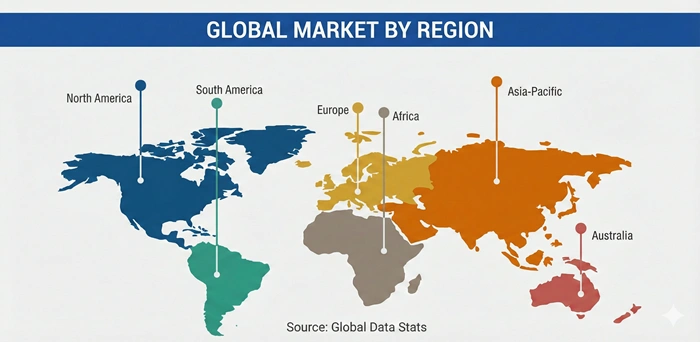
Regional Insights
North America
North America Leads the Animal Wound Care Market With the Highest Revenue Contribution, Driven by Premium Veterinary Standards, High Pet Ownership, and Advanced Clinical Infrastructure
North America holds the dominant position in the animal wound care market, accounting for approximately 40% of global revenue in 2026 and growing at a CAGR of around 6.9% through 2033. The United States is the single largest national market, supported by the highest level of veterinary healthcare spending per animal in the world, a large and rapidly growing pet population of over 180 million companion animals, and a well-developed network of specialty and emergency veterinary hospitals that routinely perform advanced wound management. Key companies driving North America's market leadership include Zoetis, Vetericyn (Innovacyn), Neogen Corporation, Elanco Animal Health, and Medline Industries veterinary division. The U.S. market also benefits from strong veterinary specialist communities in surgery and dermatology that actively champion the adoption of advanced wound care technologies in clinical practice.
Canada contributes meaningfully to North American revenues, with a strong veterinary profession and growing pet humanization trends that are driving premium wound care product adoption in both companion animal clinics and equine practices. The region is expected to maintain its global revenue leadership through 2033, supported by continued specialty veterinary clinic expansion, growing NPWT device adoption in post-surgical wound management, and increasing telemedicine-facilitated home wound care management for companion animals.
Asia Pacific
Asia Pacific Is the Fastest-Growing Regional Market for Animal Wound Care, Fueled by Rising Pet Adoption Rates, Expanding Veterinary Infrastructure, and a Large Livestock Industry
Asia Pacific is the fastest-growing regional market, estimated to hold approximately 20% of global animal wound care market share in 2026 and projected to expand at a CAGR of approximately 9.8% through 2033. China is the most significant growth driver within the region, where the pet population has grown from an estimated 250 million animals in 2020 to well over 300 million today, and where rapidly expanding urban veterinary clinic networks are improving access to professional wound care services. India is also a key emerging market, with a rapidly developing veterinary profession, a massive livestock sector that is increasingly subject to food safety and animal welfare regulations, and a growing urban pet-owning class that is beginning to invest meaningfully in advanced companion animal healthcare. Companies including Zoetis, Boehringer Ingelheim Animal Health, Virbac, and several regional players such as Intas Pharmaceuticals are expanding their veterinary wound care product distribution across Asia Pacific.
South Korea and Japan represent more mature markets within Asia Pacific, where high-quality veterinary practice standards and strong per-capita companion animal spending have created early adoption of advanced wound care dressings and topical agents. The overall Asia Pacific region's growth trajectory is expected to accelerate through the latter half of the forecast period as reimbursement mechanisms for veterinary care improve, veterinary education expands, and awareness of advanced wound management protocols deepens among general practice veterinarians across the region.
Top Key Players
-
Zoetis Inc. (United States)
-
Elanco Animal Health Inc. (United States)
-
Vetericyn / Innovacyn Inc. (United States)
-
Neogen Corporation (United States)
-
Boehringer Ingelheim Animal Health (Germany)
-
Virbac S.A. (France)
-
Bayer Animal Health / Elanco (Germany / United States)
-
Medline Industries LP – Veterinary Division (United States)
-
Intas Pharmaceuticals Ltd. (India)
-
Dechra Pharmaceuticals plc (United Kingdom)
-
Ceva Santé Animale (France)
-
Huvepharma NV (Belgium)
Recent Developments
-
Zoetis Inc. (2025): Expanded its veterinary wound care product portfolio with the launch of a new antimicrobial hydrogel dressing specifically formulated for canine surgical wound management, backed by a multicenter clinical trial demonstrating significantly reduced post-operative infection rates compared to standard wound care protocols across U.S. specialty veterinary centers.
-
Elanco Animal Health (2024): Completed the acquisition of a livestock wound care product line from a European veterinary pharmaceutical company, strengthening its topical wound treatment portfolio for cattle and swine and expanding its commercial reach across EU agricultural markets amid growing antibiotic stewardship compliance requirements.
-
Dechra Pharmaceuticals (2025): Received regulatory approval from the European Medicines Agency (EMA) for a new veterinary-specific enzymatic debriding agent for use in chronic and infected wounds in companion animals, marking a significant pipeline achievement and expanding Dechra's specialist wound care product offering in the European veterinary market.
-
Virbac S.A. (2024): Launched a strategic initiative to expand its animal wound care distribution footprint across Southeast Asia, entering into distribution agreements with veterinary product distributors in Vietnam, Thailand, and Indonesia to capture growing companion animal and livestock wound care demand in these high-growth emerging markets.
-
Neogen Corporation (2025): Introduced an updated range of livestock wound spray formulations incorporating next-generation non-antibiotic antimicrobial compounds designed to comply with new EU and U.S. antibiotic stewardship regulations, positioning the product line as a commercially attractive antibiotic-alternative solution for farm animal wound management.
Market Trends
The Humanization of Pets Driving Premium Veterinary Wound Care Adoption and the Rising Demand for Antibiotic-Free Livestock Wound Solutions Are the Two Most Significant Trends Shaping the Market
The single most powerful cultural and commercial trend influencing the animal wound care market is the continued humanization of companion animals, particularly among millennial and Gen Z pet owners. These demographics approach pet healthcare with the same seriousness and willingness to invest that they apply to their own medical care, actively seeking out advanced wound treatment options, requesting specialist referrals, and purchasing premium wound care products through online channels for at-home use. This trend is driving premiumization of the companion animal wound care segment and encouraging manufacturers to develop products that match human clinical standards in terms of efficacy, biocompatibility, and ease of application.
On the livestock side, the dominant trend reshaping product development and clinical protocols is the global push toward antibiotic stewardship in agriculture. Regulatory restrictions on prophylactic antibiotic use are forcing producers and veterinarians to find effective non-antibiotic alternatives for wound infection prevention and management in farm animals. This is accelerating demand for topical antimicrobial wound care agents, advanced wound dressings with sustained antimicrobial release, and evidence-based wound management protocols that can deliver reliable infection control without systemic antibiotic administration. Companies that can credibly demonstrate antibiotic-sparing efficacy in livestock wound care will be strongly positioned for growth as these regulatory trends intensify globally.
Segments Covered in the Report
By Product Type
-
Wound Care Dressings
-
Foam Dressings
-
Hydrogel Dressings
-
Antimicrobial Dressings (Silver-Based, Iodine-Based)
-
Collagen Dressings
-
-
Wound Closure Products
-
Sutures
-
Staples
-
Tissue Adhesives
-
-
Wound Care Devices
-
Negative Pressure Wound Therapy (NPWT) Devices
-
Electrostimulation Devices
-
-
Topical Agents
-
Antiseptics
-
Topical Antibiotics
-
Enzyme Debriding Agents
-
By Animal Type
-
Companion Animals
-
Dogs
-
Cats
-
Horses
-
-
Livestock Animals
-
Cattle
-
Swine
-
Poultry
-
Sheep & Goats
-
By Wound Type
-
Surgical Wounds
-
Traumatic Wounds
-
Chronic Wounds
-
Burns
By End User
-
Veterinary Hospitals & Clinics
-
Veterinary Specialty Centers
-
Home Care Settings
-
Research Institutes
By Region
-
North America
-
Europe
-
Asia Pacific
-
Latin America
-
Middle East & Africa
Frequently Asked Questions
Question 1: What is the projected size of the animal wound care market by 2033 and what growth rate is expected?
Answer: The animal wound care market is projected to reach approximately USD 1.8 billion by 2033, growing at a CAGR of 7.6% from 2026 to 2033. This consistent growth is driven by rising global pet ownership, growing veterinary healthcare expenditure, and increasing adoption of advanced wound management products across both companion animal and livestock sectors.
Question 2: Which product type holds the largest share in the animal wound care market?
Answer: Wound care dressings currently hold the largest share in the animal wound care market at approximately 38% of total revenue in 2026, led by antimicrobial and hydrogel dressing formulations widely used in companion animal surgical and traumatic wound management. Their clinical versatility and growing adoption in specialty veterinary clinics continue to sustain their dominant market position.
Question 3: Which region leads the animal wound care market and which is growing the fastest?
Answer: North America leads the animal wound care market with approximately 40% of global revenue in 2026, while Asia Pacific is the fastest-growing region at a CAGR of 9.8% through 2033. Asia Pacific's rapid growth is driven by surging pet ownership in China and India and expanding livestock sector investment in professional wound management.
Question 4: What role does the humanization of pets play in driving the animal wound care market?
Answer: The humanization of companion animals is one of the most powerful demand drivers in the animal wound care market, as pet owners increasingly seek premium wound treatment options that mirror human clinical standards. This trend is driving adoption of advanced dressings, NPWT devices, and bioactive topical agents in companion animal veterinary practice across North America and Europe.
Question 5: What are the key opportunities shaping the future of the animal wound care market?
Answer: The most significant opportunities in the animal wound care market include the rapid growth of companion animal ownership in Asia Pacific and Latin America, the development of antibiotic-free topical wound care solutions for livestock driven by global antibiotic stewardship regulations, and the expansion of veterinary telemedicine platforms that enable remote wound monitoring and home care product delivery. Bioactive biomaterial innovation for veterinary-specific wound dressings is also expected to create high-value new product segments through 2033.