
Air Purifier Market Overview
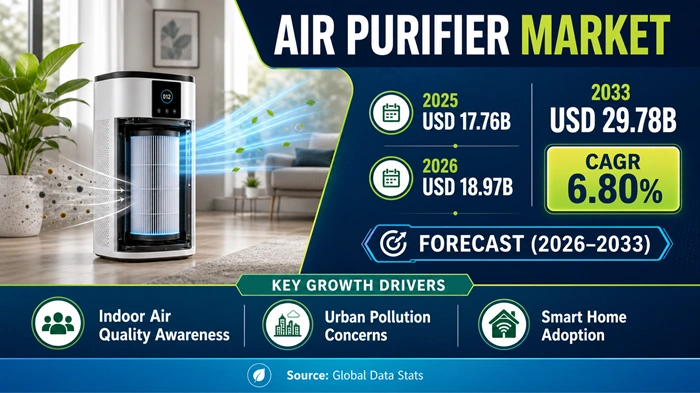
The global air purifier market size is valued at USD 17.76 billion in 2025 and is predicted to increase from USD 18.97 billion in 2026 to approximately USD 29.78 billion by 2033, growing at a CAGR of 6.80% from 2026 to 2033.
The air purifier market encompasses devices and systems designed to remove contaminants from indoor air, including particulate matter, allergens, volatile organic compounds, bacteria, viruses, and harmful gases that pose significant health risks to building occupants.
Rising air pollution levels, increasing urbanization, and growing awareness about indoor air quality drive significant demand for purification solutions across residential, commercial, and industrial applications worldwide. Health concerns related to respiratory diseases, allergies, and airborne infections compel consumers and organizations to invest in advanced filtration technologies that provide cleaner, safer breathing environments. The market benefits from technological innovations including smart connectivity, real-time monitoring capabilities, energy-efficient operations, and multi-stage filtration systems that address diverse purification needs.
AI Impact on the Air Purifier Industry
Intelligent Automation and Predictive Capabilities Transform Indoor Air Quality Management
Artificial intelligence is revolutionizing the air purifier market by introducing intelligent automation, predictive analytics, and adaptive operational capabilities that significantly enhance purification effectiveness while optimizing energy consumption. AI algorithms enable air purifiers to continuously analyze air quality data from multiple sensors, identify pollution patterns, predict air quality changes before they occur, and automatically adjust filtration speeds, fan operations, and power usage based on real-time environmental conditions. Machine learning models study historical air quality trends to anticipate pollution spikes related to cooking activities, outdoor air infiltration, occupancy patterns, and time-of-day variations, allowing devices to proactively increase purification capacity when needed while conserving energy during cleaner periods.
The integration of AI with Internet of Things connectivity transforms air purifiers into intelligent components of comprehensive smart home and building management ecosystems that coordinate with HVAC systems, ventilation controls, and environmental sensors. AI-powered devices provide users with detailed analytics through mobile applications, showing real-time pollutant concentrations, historical air quality trends, filter life predictions, and maintenance alerts that ensure optimal performance. Advanced AI capabilities include voice control integration, remote management from any location, automated operation scheduling based on occupancy detection, and coordinated responses with other smart devices such as closing windows during external pollution events or adjusting thermostats to maintain comfort while purifying air. Furthermore, AI-driven predictive maintenance identifies filter degradation patterns and component wear before failures occur, notifying users when replacements are needed and extending device lifespan through optimized operational parameters.
Growth Factors
Escalating Pollution Levels and Health Awareness Drive Market Expansion
Deteriorating air quality in urban and industrial areas represents a primary driver propelling air purifier market growth, as outdoor pollution from vehicular emissions, industrial activities, and construction dust increasingly infiltrates indoor environments where people spend over 90% of their time. Rising concentrations of particulate matter including PM2.5 and PM10, along with harmful gases, volatile organic compounds, and airborne allergens create hazardous indoor conditions that trigger respiratory problems, allergies, asthma, cardiovascular issues, and other serious health complications. Urbanization and industrialization continue escalating airborne contaminants globally, particularly in rapidly developing regions where population density, vehicle usage, and manufacturing activities intensify pollution challenges that drive substantial demand for effective purification solutions.
Growing public awareness regarding the health risks associated with poor indoor air quality compels consumers to prioritize protective measures for themselves and their families, viewing air purifiers as essential investments rather than optional purchases. The increasing prevalence of respiratory diseases, allergies, and airborne infections heightens consumer concern about breathing safety, particularly following heightened health consciousness from recent pandemic experiences that demonstrated the importance of airborne pathogen management. Government initiatives aimed at improving air quality, including stricter emission regulations, pollution control mandates, and public health campaigns educating citizens about air quality hazards, create supportive regulatory environments that encourage air purifier market adoption. Additionally, rising disposable incomes in emerging economies enable more households to afford purification solutions, while technological advancements reducing device costs and improving performance make air purifiers accessible to broader consumer segments across different economic levels.
Market Outlook
Strong Growth Momentum Sustained by Technology Innovation and Expanding Applications
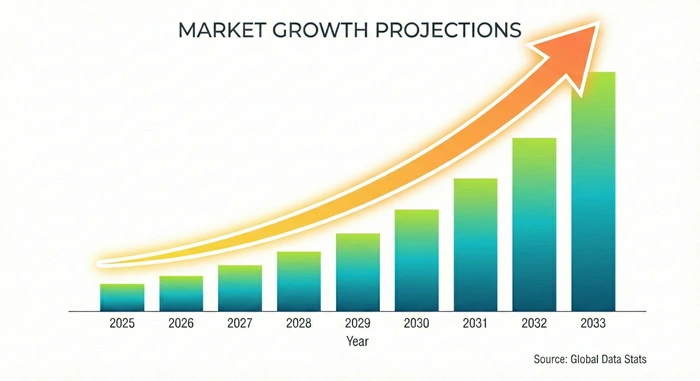
The air purifier market outlook remains exceptionally positive as growing environmental concerns, health awareness, and technological innovation converge to sustain robust demand across all application segments and geographic regions. Market participants are expanding product portfolios to address diverse consumer needs, offering devices ranging from compact portable units for personal spaces to large-capacity commercial systems for office buildings, hospitals, schools, and industrial facilities. The residential segment particularly demonstrates strong growth potential as smart home adoption accelerates and consumers increasingly integrate air purification into comprehensive home automation systems that coordinate environmental controls.
Technological advancements continue transforming market dynamics through innovations including multi-stage filtration combining HEPA, activated carbon, UV sterilization, and ionization technologies that address multiple pollutant categories simultaneously. Smart features incorporating IoT connectivity, mobile application controls, voice activation, real-time air quality monitoring, and automated operational adjustments attract tech-savvy consumers seeking convenient, effective solutions that integrate seamlessly with modern lifestyles. Energy efficiency improvements address consumer concerns about operating costs while supporting environmental sustainability objectives, with manufacturers developing brushless motors, optimized airflow designs, and intelligent power management systems that minimize electricity consumption without compromising purification performance. Industry analysts project continued market expansion throughout the forecast period, with particularly strong growth anticipated in emerging markets where rising pollution levels, increasing health awareness, and improving economic conditions create substantial untapped opportunities.
Expert Speaks
-
Lindsay Baker representing Johnson Controls emphasized that data clearly demonstrates when building owners and operators prioritize healthy indoor air, employees thrive and students achieve more, highlighting that this focus transcends performance metrics to create environments that empower people and drive strategic organizational value through collaboration with global leaders advancing healthy indoor air frameworks.
-
Dr. John McKeon, CEO of iAIR Healthgroup, stated his excitement about partnering with design professionals on indoor air initiatives, stressing that healthy indoor spaces are essential given that people spend over 90% of their time indoors, and healthy air serves as the foundation for physical health in spaces designed to support emotional wellbeing, without which true wellness cannot exist.
-
Amit Gupta, Chief Executive Officer of Aeroseal, noted the striking reality that despite spending around 90% of lives indoors, interior air often contains three to five times more pollution than outdoor air, creating huge consequences for health, productivity, and children's learning, emphasizing the commission's mission to shift this reality by creating frameworks that transform healthy air from an afterthought into a global public health priority.
Key Report Takeaways
-
Asia Pacific leads the global air purifier market with approximately 39.7% regional share in 2025, driven by severe air pollution challenges in metropolitan areas, rapid urbanization, high population density, and strong government initiatives promoting air quality improvement across emerging economies.
-
Asia Pacific represents the fastest-growing regional market, expected to register the highest CAGR exceeding 8% from 2026 to 2033, fueled by escalating pollution levels in major cities, rising respiratory disease prevalence, increasing disposable incomes, and growing health awareness among expanding middle-class populations.
-
The residential application segment dominates market demand, accounting for more than 40% share in 2025 and projected to grow at a robust CAGR of 6.2% through 2033, as homeowners prioritize indoor air quality to protect family health from outdoor pollution infiltration, allergens, and airborne pathogens.
-
HEPA technology maintains market leadership with approximately 40.2% to 42.6% share in 2025, valued for proven effectiveness in capturing fine particulate matter as small as 0.3 microns with 99.97% efficiency, addressing primary air quality concerns in both urban and rural settings.
-
The commercial segment demonstrates significant growth potential, with CAGR of 5.4% anticipated from 2026 to 2033, driven by increasing demand from office buildings, hospitals, educational institutions, and hospitality facilities seeking to maintain healthy indoor environments that support occupant wellbeing and productivity.
-
Smart air purifiers with IoT connectivity represent the fastest-emerging product category, experiencing accelerated adoption as consumers embrace connected devices offering remote monitoring, automated operation, real-time air quality feedback, and integration with comprehensive home automation ecosystems.
Market Scope
| Report Coverage Details | |
|---|---|
| Market Size by 2033 | USD 29.78 Billion |
| Market Size by 2025 | USD 17.76 Billion |
| Market Size by 2026 | USD 18.97 Billion |
| Market Growth Rate from 2026 to 2033 | CAGR of 6.80% |
| Dominating Region | Asia Pacific |
| Fastest Growing Region | Asia Pacific |
| Base Year | 2025 |
| Forecast Period | 2026 to 2033 |
| Segments Covered | Technology, Application, Distribution Channel, Region |
| Regions Covered | North America, Europe, Asia Pacific, Latin America, Middle East & Africa |
Market Dynamics
Drivers Impact Analysis
Rising Pollution and Health Concerns Accelerate Adoption Across All Segments
| Factor | (≈) % Impact on CAGR Forecast | Geographic Relevance | Impact Timeline |
|---|---|---|---|
| Increasing air pollution levels | 2.3% | Global, particularly Asia Pacific | Immediate and ongoing |
| Growing health awareness | 1.6% | Global focus | Immediate to long-term |
| Smart home integration | 1.4% | North America, Europe, Asia Pacific | Medium-term |
| Government regulations | 1.1% | Asia Pacific, Europe | Ongoing |
Escalating outdoor and indoor air pollution levels represent the most significant driver propelling air purifier market expansion, as deteriorating air quality in urban centers creates hazardous breathing environments that threaten public health and compel protective action. Major metropolitan areas across Asia, particularly in China and India, experience severe pollution episodes with PM2.5 concentrations exceeding safe limits by multiple factors, exposing billions of residents to dangerous air toxins that increase respiratory disease incidence, cardiovascular problems, and premature mortality. Industrial emissions, vehicular exhaust, construction activities, and seasonal factors like agricultural burning contribute to persistent outdoor pollution that infiltrates buildings through ventilation systems, windows, and structural gaps, contaminating indoor environments where people spend most of their time.
Growing awareness regarding indoor air quality health impacts drives consumer recognition that air purifier market solutions provide essential protection against invisible threats including particulate matter, allergens, bacteria, viruses, mold spores, and volatile organic compounds emanating from building materials, furnishings, cleaning products, and outdoor sources. Educational campaigns, media coverage of pollution events, and medical professional recommendations increase public understanding of air quality's connection to respiratory conditions, allergies, asthma exacerbation, and long-term health consequences, motivating households to invest in purification systems. The integration of air purifiers into smart home ecosystems enhances convenience and effectiveness through automated operation, remote management, air quality monitoring, and coordination with other environmental controls like HVAC systems and ventilation, making these devices more appealing to technology-oriented consumers. Government initiatives including air quality standards, building codes requiring ventilation and filtration, public health programs, and subsidies supporting clean technology adoption create favorable regulatory environments that accelerate market penetration across residential, commercial, and industrial applications.
Restraints Impact Analysis
High Costs and Maintenance Requirements Create Adoption Barriers
| Factor | (≈) % Impact on CAGR Forecast | Geographic Relevance | Impact Timeline |
|---|---|---|---|
| High device and filter costs | -1.4% | Emerging markets, price-sensitive segments | Short to medium-term |
| Ongoing maintenance expenses | -0.9% | Global, particularly residential users | Ongoing |
| Limited awareness in rural areas | -0.7% | Emerging markets | Medium-term |
| Noise and space constraints | -0.5% | Residential applications | Ongoing |
Substantial initial purchase costs for quality air purifiers equipped with advanced filtration technologies, smart features, and adequate coverage capacity create significant barriers to air purifier market adoption, particularly among price-sensitive consumers in emerging markets and lower-income households that face budget constraints. Premium devices incorporating HEPA filtration, activated carbon layers, UV sterilization, ionization technologies, and IoT connectivity command higher prices that may exceed affordability thresholds for many potential buyers who recognize air quality importance but cannot justify the investment compared to other household priorities. Entry-level units offering basic filtration at lower price points may fail to deliver adequate performance for severe pollution conditions, creating consumer disappointment and perception challenges regarding product value.
Ongoing operational expenses including periodic filter replacements, electricity consumption, and occasional service requirements add to total ownership costs that some consumers find burdensome, particularly when replacement filters cost substantial amounts and require changes every few months depending on usage intensity and local pollution levels. The air purifier market faces adoption challenges in rural and semi-urban areas where awareness about indoor air quality remains limited, consumers perceive pollution as primarily an urban problem, and access to products through retail channels remains constrained by sparse distribution networks. Additionally, some consumers express concerns about device noise levels during operation, especially in bedroom applications, while space constraints in smaller living quarters may limit accommodation for units sized appropriately for room coverage, and aesthetic considerations influence purchasing decisions as visible appliances must complement interior design preferences.
Opportunities Impact Analysis
Emerging Technologies and Market Expansion Create Substantial Growth Prospects
| Factor | (≈) % Impact on CAGR Forecast | Geographic Relevance | Impact Timeline |
|---|---|---|---|
| Portable and wearable devices | 1.2% | Global, particularly urban areas | Medium-term |
| Commercial sector expansion | 1.0% | North America, Asia Pacific | Immediate to medium-term |
| Advanced sensor integration | 0.9% | Developed markets | Medium-term |
| Emerging market penetration | 0.8% | Asia Pacific, Latin America | Long-term |
The development of portable and wearable air purification devices creates substantial opportunities within the air purifier market by addressing personal protection needs for individuals commuting through polluted areas, working in contaminated environments, or seeking localized purification in specific zones. Compact, battery-powered units that users can carry or wear provide breathing zone protection during outdoor activities, travel, and situations where fixed installations prove impractical, appealing to health-conscious consumers seeking comprehensive protection. Innovation in miniaturization, battery technology, and efficient filtration systems enables manufacturers to develop stylish wearable devices that integrate with daily activities without causing discomfort or inconvenience.
Commercial sector expansion presents significant growth opportunities as businesses, educational institutions, healthcare facilities, hospitality venues, and office buildings increasingly prioritize indoor air quality to protect employees, students, patients, guests, and visitors while enhancing productivity, learning outcomes, and customer satisfaction. Corporate wellness initiatives, liability concerns, regulatory compliance requirements, and competitive advantages in attracting talent drive commercial investments in comprehensive air purification systems integrated with building management platforms. Advanced sensor technologies offering real-time monitoring of multiple pollutant categories, predictive analytics forecasting air quality changes, and data visualization through intuitive interfaces create opportunities for premium products targeting sophisticated consumers who value detailed environmental information. Substantial untapped potential exists in emerging markets across Asia Pacific, Latin America, Africa, and the Middle East where rising incomes, urbanization, industrialization, and growing health awareness create expanding customer bases for air purifier market products across all price segments.
Segment Analysis
HEPA Technology Dominance
Proven Filtration Effectiveness Maintains Market Leadership Position
HEPA technology commands the dominant position within the air purifier market, accounting for approximately 40.2% to 42.6% of total market share in 2025, as this filtration method delivers proven, measurable performance against fine particulate matter that represents the primary air quality concern across urban and rural settings. HEPA filters capture particles as small as 0.3 microns with 99.97% efficiency, effectively removing dust, pollen, pet dander, mold spores, bacteria, and other airborne contaminants that trigger allergies, asthma, and respiratory problems. The large surface area design of HEPA filters enables extended operational periods before requiring replacement, providing cost-effective long-term performance that appeals to both residential and commercial users seeking reliable air purification. Consumers recognize HEPA as the gold standard in air filtration, with brand reputation, medical professional recommendations, and independent testing certifications supporting purchasing decisions favoring HEPA-equipped devices over alternative technologies.
North America demonstrates particularly strong HEPA adoption with commercial buildings, healthcare facilities, and residential consumers preferring certified filtration performance that meets stringent air quality standards, while leading manufacturers including Honeywell International from the United States, IQAir from Switzerland, and Dyson from the United Kingdom dominate the premium segment through extensive product portfolios and established distribution networks. Asia Pacific represents the fastest-growing regional market for HEPA technology, experiencing accelerated demand as pollution levels in major metropolitan areas including Beijing, Delhi, Jakarta, and Bangkok drive consumers and businesses to invest in proven purification solutions that address severe particulate matter contamination. Technological advancements enhance HEPA filter efficiency, durability, and integration into compact, aesthetically designed air purifier market products, with manufacturers combining HEPA filtration with complementary technologies including activated carbon for odor and gas removal and UV sterilization for microbial disinfection to create comprehensive purification systems. The residential segment particularly favors HEPA technology due to concerns about family health and the technology's established reputation, while the commercial and industrial segments adopt HEPA systems to meet workplace safety regulations, protect employee health, and maintain clean production environments.
Residential Application Leadership
Home-Based Demand Drives Substantial Market Share and Growth
The residential application segment maintains market leadership within the air purifier market, representing over 40% of total demand in 2025 and projected to grow at a CAGR of 6.2% through 2033, as homeowners increasingly prioritize indoor air quality to protect family members from outdoor pollution infiltration, allergens, cooking emissions, and airborne pathogens. Ambient air quality deterioration over recent decades due to growing populations, rapid urbanization, industrial expansion, and vehicular emissions directly impacts indoor environments as contaminated outdoor air enters homes through ventilation systems, windows, and structural openings. Rising health awareness regarding the connection between air quality and respiratory conditions, allergies, cardiovascular health, and overall wellbeing motivates households to invest in purification solutions that eliminate asbestos, construction dust, tobacco smoke, pet dander, mold spores, and various airborne particles. The residential segment benefits from increasing disposable incomes in emerging economies that enable more families to afford purification systems, while declining device prices resulting from manufacturing efficiencies and competitive dynamics make air purifiers accessible to broader consumer segments.
Asia Pacific leads residential adoption globally, driven by severe pollution challenges in metropolitan areas and rapidly expanding middle-class populations with growing purchasing power and health consciousness, while manufacturers including Xiaomi Corporation from China, Coway from South Korea, and Panasonic from Japan effectively serve regional consumers through localized products, competitive pricing, and extensive distribution channels. North America demonstrates strong residential demand with consumers seeking smart-enabled devices offering IoT connectivity, mobile application controls, air quality monitoring, and integration with comprehensive home automation systems coordinating environmental controls. The air purifier market residential segment particularly embraces portable units providing flexibility to move devices between rooms based on occupancy patterns and localized purification needs, while whole-home systems integrated with HVAC infrastructure attract homeowners seeking comprehensive protection without requiring multiple standalone units. Smart home integration represents a key growth driver as technology companies develop air purifiers compatible with popular platforms including Amazon Alexa, Google Assistant, and Apple HomeKit, enabling voice controls, automated scheduling, and coordinated operation with other smart devices that enhance convenience and effectiveness.
Regional Insights
Asia Pacific Market Leadership
Severe Pollution and Rapid Urbanization Drive Regional Dominance
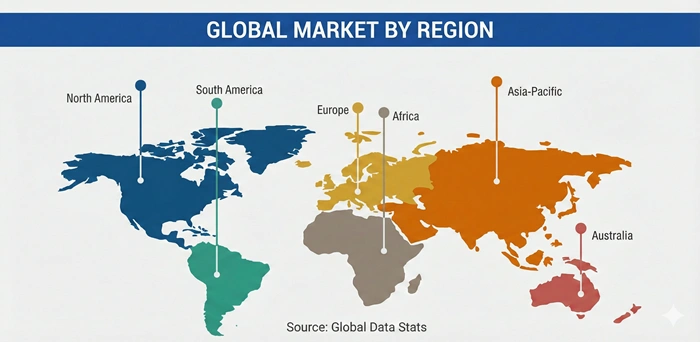
Asia Pacific commands the global air purifier market with approximately 39.7% regional share in 2025, maintaining leadership through severe air pollution challenges affecting major metropolitan areas, rapid urbanization transforming residential and commercial infrastructure, high population density concentrating pollution exposure, and strong government initiatives promoting air quality improvement. The region encompasses some of the world's most polluted cities where PM2.5 concentrations regularly exceed safe limits by multiple factors, with over 2.3 billion people representing 92% of Asia Pacific's population exposed to high levels of air toxins that create urgent public health concerns. Countries including China, India, Japan, South Korea, Thailand, and Indonesia drive substantial demand across residential, commercial, and industrial applications as consumers and organizations recognize air purification as essential protection against hazardous breathing environments.
China represents the largest national market within Asia Pacific, with government infrastructure investments, smart city initiatives, and stringent air quality regulations supporting widespread adoption, while the market demonstrates projected CAGR exceeding 12% through 2033 as pollution control becomes a national priority. Leading regional manufacturers including Xiaomi Corporation, Coway, Daikin Industries, Panasonic, and Samsung Electronics effectively serve local consumers through competitively priced products featuring localized designs, regional distribution networks, and government procurement preferences supporting domestic brands. The air purifier market in Asia Pacific benefits from rising disposable incomes across expanding middle-class populations that enable more households to afford purification systems, while growing health awareness driven by media coverage of pollution events, medical recommendations, and personal experiences with respiratory problems motivates protective investments. Commercial developments including office complexes, retail centers, hospitality facilities, and mixed-use properties increasingly incorporate air purification as standard building infrastructure, recognizing that clean indoor air enhances property values, attracts quality tenants, and satisfies corporate occupier requirements.
North America Fastest Innovation Adoption
Technology Leadership and Health Consciousness Support Market Development
North America demonstrates exceptional technology adoption characteristics within the air purifier market, though representing smaller market share compared to Asia Pacific, the region leads in smart device integration, premium product demand, and innovation acceptance as consumers embrace IoT-enabled purifiers offering advanced features. The United States market shows particularly strong growth momentum valued at USD 4.55 billion in 2024 and projected to expand at 7.2% CAGR through 2030, driven by rising health awareness, increasing importance placed on indoor air quality across residential and commercial facilities, and ongoing impacts from heightened hygiene consciousness. Rising demand for air purifiers stems from growing recognition of indoor air quality's connection to respiratory health, allergy management, and overall wellbeing, with consumers willing to invest in premium solutions offering superior performance and convenience.
Major corporations headquartered throughout North America including Honeywell International, Whirlpool Corporation, and Hamilton Beach Brands maintain strong market positions through comprehensive product portfolios, extensive retail and online distribution channels, and established brand recognition among consumers seeking reliable purification solutions. The air purifier market in North America particularly emphasizes smart features with consumers preferring devices offering mobile application controls, real-time air quality monitoring, voice activation through Amazon Alexa and Google Assistant, and integration with whole-home automation systems coordinating lighting, climate control, and security. Commercial applications demonstrate robust growth as businesses, educational institutions, and healthcare facilities prioritize employee and occupant wellbeing through comprehensive air purification systems integrated with building management platforms, while regulatory developments and corporate wellness initiatives support continued investments. The region benefits from high consumer awareness regarding air quality health impacts, established retail infrastructure supporting product availability, and strong e-commerce adoption enabling convenient online purchasing with home delivery.
Top Key Players
-
Honeywell International Inc. (United States)
-
IQAir North America Inc. (Switzerland)
-
LG Electronics Inc. (South Korea)
-
Daikin Industries Ltd. (Japan)
-
Panasonic Corporation (Japan)
-
Koninklijke Philips N.V. (Netherlands)
-
Whirlpool Corporation (United States)
-
Dyson Ltd. (United Kingdom)
-
Coway Co. Ltd. (South Korea)
-
Samsung Electronics Co. Ltd. (South Korea)
-
Xiaomi Corporation (China)
-
Sharp Corporation (Japan)
-
Unilever PLC (United Kingdom)
-
3M Company (United States)
-
Electrolux AB (Sweden)
-
Haier Group Corporation (China)
-
Midea Group Co. Ltd. (China)
-
Blueair (Sweden)
-
Levoit (United States)
-
Winix Inc. (South Korea)
Recent Developments
-
iRobot Corporation (2025): In January 2025, iRobot acquired Swiss brand Aeris Cleantec, embedding HEPA technology into its smart home product roster and demonstrating vertical integration strategy aimed at expanding its portfolio with specialized air purification capabilities that complement existing robotic cleaning solutions.
-
Xiaomi Corporation (2024): In July 2024, Xiaomi launched the Smart Air Purifier Compact at an aggressive price point of USD 50, targeting budget-conscious consumers and emerging market segments with affordable yet feature-rich purification solutions incorporating smart connectivity and mobile application controls.
-
ISO-Aire (2024): In October 2024, ISO-Aire introduced the innovative commercial model RSF500, specifically designed for medium to small office spaces and business environments, equipped with HEPA filtration capturing 99.99% of airborne particles as small as 0.3 microns and effectively eliminating viruses, bacteria, pollen, dust, volatile organic compounds, and mold to provide relief for individuals with respiratory conditions.
-
Robert Bosch (2024): In July 2024, Robert Bosch acquired the global HVAC solutions business for residential and light commercial buildings from the Johnson Controls-Hitachi Air Conditioning joint venture for USD 4.6 billion, accelerating innovation in air and water markets while propelling the combined entity toward greater decarbonization objectives.
-
Vance Street Capital (2024): In December 2024, Vance Street Capital acquired Fumex Air Filtration Systems for an undisclosed sum, targeting penetration of existing end markets and broadening its product portfolio to serve new industrial and commercial segments while pursuing add-on merger and acquisition opportunities in fume extraction and air purification sectors.
Market Trends
Smart Connectivity and Multi-Stage Filtration Transform Product Expectations
The rapid integration of smart connectivity and Internet of Things capabilities represents a transformative trend within the air purifier market, as consumers increasingly demand devices offering remote monitoring, mobile application controls, real-time air quality feedback, and seamless integration with comprehensive home automation ecosystems. Smart air purifiers connect to WiFi networks enabling users to monitor air quality from any location, receive notifications about filter replacement needs, adjust operational settings remotely, and schedule automated operation based on occupancy patterns or time-of-day preferences. Voice control integration with popular virtual assistants including Amazon Alexa, Google Assistant, and Apple Siri enhances user convenience by enabling hands-free operation, while compatibility with smart home platforms allows coordinated responses such as automatically increasing purification capacity when air quality sensors detect elevated pollution or closing smart windows during external pollution events. The proliferation of smartphones globally facilitates mobile credential adoption and application-based device management, particularly appealing to younger generations comfortable with smartphone-based controls and technology-oriented households embracing comprehensive smart home implementation.
Multi-stage filtration systems combining complementary technologies address diverse pollutant categories simultaneously, creating comprehensive purification solutions that remove particulate matter, gases, odors, and microorganisms through integrated approaches. Manufacturers increasingly design products incorporating HEPA filters for particle capture, activated carbon layers for volatile organic compound and odor absorption, UV-C sterilization for bacterial and viral inactivation, and ionization technologies for ultra-fine particle agglomeration that collectively provide superior air treatment compared to single-technology approaches. The air purifier market trend toward hybrid filtration reflects consumer preferences for comprehensive protection addressing multiple air quality concerns rather than focusing exclusively on particulate removal, while also demonstrating manufacturer efforts to differentiate products through enhanced performance capabilities. Energy efficiency improvements driven by environmental consciousness and operating cost concerns motivate manufacturers to develop quieter, more efficient motors, optimized airflow designs, and intelligent power management that minimize electricity consumption while maintaining effective purification, with energy-efficient models increasingly receiving consumer preference and regulatory recognition.
Segments Covered in the Report
By Technology:
-
HEPA (High-Efficiency Particulate Air)
-
Activated Carbon
-
Ionic Filters
-
Electrostatic Precipitator
-
UV Filters
-
Hybrid/Multi-Stage Filtration
By Application:
-
Residential
-
Single-Family Homes
-
Multi-Family Apartments
-
Condominiums
-
-
Commercial
-
Offices
-
Retail Stores
-
Hospitality
-
Educational Institutions
-
Healthcare Facilities
-
-
Industrial
-
Manufacturing Plants
-
Warehouses
-
Laboratories
-
By Distribution Channel:
-
Online
-
E-commerce Platforms
-
Company Websites
-
-
Offline
-
Specialty Stores
-
Supermarkets and Hypermarkets
-
Electronics Stores
-
By Coverage Area:
-
Small (Up to 300 sq. ft.)
-
Medium (300-600 sq. ft.)
-
Large (Above 600 sq. ft.)
By End User:
-
Residential Consumers
-
Commercial Establishments
-
Industrial Facilities
-
Healthcare Institutions
-
Educational Organizations
By Region:
-
North America
-
United States
-
Canada
-
Mexico
-
-
Europe
-
United Kingdom
-
Germany
-
France
-
Italy
-
Spain
-
Rest of Europe
-
-
Asia Pacific
-
China
-
India
-
Japan
-
South Korea
-
Thailand
-
Indonesia
-
Rest of Asia Pacific
-
-
Latin America
-
Brazil
-
Argentina
-
Rest of Latin America
-
-
Middle East & Africa
-
United Arab Emirates
-
Saudi Arabia
-
South Africa
-
Rest of Middle East & Africa
-
Frequently Asked Questions
Question 1: What is the projected air purifier market size by 2033?
Answer: The global air purifier market is projected to reach USD 29.78 billion by 2033, growing from USD 18.97 billion in 2026 at a CAGR of 6.80%.
Question 2: Which region dominates the air purifier market currently?
Answer: Asia Pacific dominates the air purifier market with approximately 39.7% share in 2025, driven by severe pollution challenges and rapid urbanization across the region.
Question 3: What are the key drivers of air purifier market growth?
Answer: Key drivers include escalating air pollution levels, rising health awareness, smart home integration, government air quality regulations, and increasing prevalence of respiratory diseases and allergies.
Question 4: Which technology leads the air purifier market?
Answer: HEPA technology leads with approximately 40.2% to 42.6% market share in 2025, valued for proven effectiveness in capturing fine particulate matter with 99.97% efficiency.
Question 5: How is smart technology impacting the air purifier market?
Answer: Smart technology enables remote monitoring, automated operation, real-time air quality feedback, and integration with home automation ecosystems, creating substantial appeal among tech-savvy consumers.