
AI in Telemedicine Market Overview
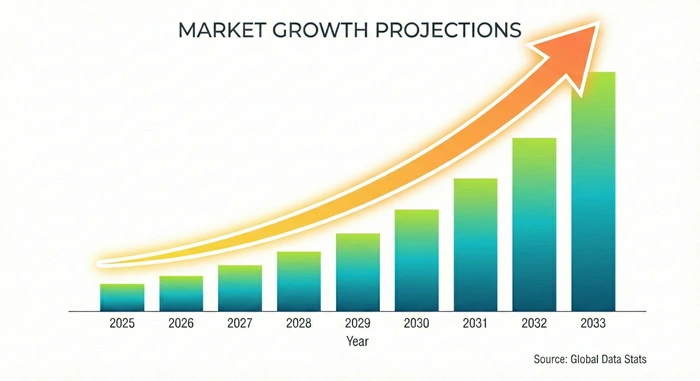
The global AI in telemedicine market size is valued at USD 25.81 billion in 2025 and is predicted to increase from USD 31.70 billion in 2026 to approximately USD 142.45 billion by 2033, growing at a CAGR of 23.09% from 2026 to 2033.
Artificial intelligence in telemedicine represents the strategic integration of advanced machine learning algorithms, natural language processing capabilities, and computer vision technologies into remote healthcare delivery platforms. This powerful combination enables healthcare providers to deliver accurate diagnoses, personalized treatment recommendations, and continuous patient monitoring without requiring physical presence. The AI in telemedicine market has gained tremendous momentum as healthcare systems worldwide face mounting pressure to enhance accessibility, reduce operational costs, and improve clinical outcomes for diverse patient populations. Digital health technologies powered by artificial intelligence are transforming traditional care delivery models by enabling virtual consultations, automated triage systems, predictive analytics for early disease detection, and intelligent clinical decision support tools that assist physicians in making evidence-based treatment decisions.
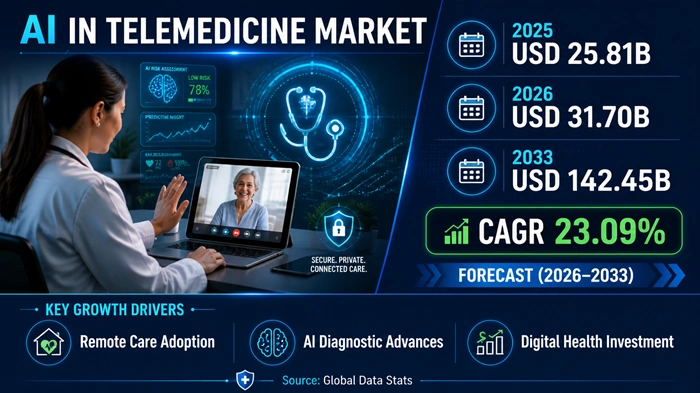
Revolutionizing Remote Healthcare Through Intelligent Automation and Predictive Analytics
The convergence of artificial intelligence with telehealth infrastructure is creating unprecedented opportunities for healthcare stakeholders to reimagine patient care delivery across geographical boundaries. Healthcare providers are increasingly adopting AI-powered telemedicine solutions to address critical challenges including physician shortages in rural areas, rising chronic disease prevalence, and the growing demand for convenient healthcare access among tech-savvy patient populations. The AI in telemedicine market benefits from the widespread proliferation of smartphones, wearable health monitoring devices, and high-speed internet connectivity that collectively enable seamless real-time data transmission between patients and care providers. Advanced artificial intelligence algorithms analyze massive volumes of medical data including electronic health records, diagnostic images, laboratory results, and patient-reported symptoms to generate actionable clinical insights that enhance diagnostic accuracy and treatment effectiveness.
Healthcare organizations are leveraging AI in telemedicine market technologies to optimize resource allocation, reduce hospital readmission rates, and improve patient satisfaction scores through personalized care pathways. The integration of conversational AI and intelligent virtual assistants streamlines administrative workflows by automating appointment scheduling, insurance verification, prescription refills, and follow-up care coordination. These intelligent systems learn continuously from clinical interactions and patient outcomes, becoming progressively more accurate and efficient over time. The AI in telemedicine market is witnessing substantial investments from technology giants, healthcare systems, pharmaceutical companies, and venture capital firms recognizing the transformative potential of intelligent remote care delivery models in addressing fundamental healthcare accessibility and quality challenges.
AI Impact on the Telemedicine Industry
Transforming Clinical Workflows Through Intelligent Automation and Enhanced Diagnostic Precision
Artificial intelligence is fundamentally restructuring the telemedicine industry by introducing sophisticated capabilities that extend far beyond traditional video consultation platforms. AI-powered diagnostic algorithms analyze medical imaging data including X-rays, CT scans, MRIs, and ultrasound images with remarkable accuracy, often matching or exceeding human specialist performance in detecting abnormalities such as tumors, fractures, and cardiovascular conditions. Natural language processing technologies enable intelligent virtual assistants to conduct preliminary patient assessments, gather comprehensive medical histories, and perform symptom-based triage before connecting patients with appropriate healthcare providers. The AI in telemedicine market is experiencing rapid adoption of predictive analytics tools that identify high-risk patients requiring proactive intervention, enabling early detection of disease progression and prevention of costly emergency department visits and hospital admissions.
Machine learning algorithms continuously analyze patterns in patient vital signs, medication adherence, lifestyle behaviors, and clinical outcomes to generate personalized treatment recommendations tailored to individual patient characteristics and preferences. Healthcare providers utilizing AI in telemedicine market solutions report significant improvements in operational efficiency, with intelligent automation handling repetitive administrative tasks and freeing clinical staff to focus on complex patient care activities requiring human judgment and empathy. The integration of computer vision technologies enables remote wound assessment, dermatology consultations, and ophthalmology screenings without requiring specialized equipment or in-person visits. Artificial intelligence is also enhancing medication management through intelligent reminder systems, drug interaction alerts, and personalized dosing recommendations based on patient genetics, comorbidities, and treatment response patterns.
Growth Factors
Addressing Healthcare Access Gaps and Rising Chronic Disease Burden Through Intelligent Remote Care
The AI in telemedicine market is experiencing robust expansion driven by multiple converging factors that collectively create compelling value propositions for healthcare stakeholders across the care continuum. The global shortage of healthcare professionals, particularly in rural and underserved communities, has created urgent demand for scalable solutions that extend specialist expertise beyond traditional geographical constraints. Artificial intelligence enables a single specialist to effectively manage larger patient panels through intelligent triage, automated follow-up monitoring, and decision support tools that prioritize cases requiring immediate attention. The escalating prevalence of chronic conditions including diabetes, hypertension, cardiovascular diseases, and respiratory disorders is driving adoption of AI-powered remote patient monitoring solutions that track vital signs, detect early warning signals, and enable timely clinical interventions before conditions deteriorate.
Healthcare payers and government agencies are increasingly recognizing the cost-effectiveness of AI in telemedicine market solutions, which reduce expensive emergency department utilization, prevent avoidable hospital admissions, and minimize complications through continuous monitoring and early intervention. The COVID-19 pandemic accelerated digital health adoption by demonstrating the feasibility and effectiveness of remote care delivery, creating lasting behavioral changes among both patients and providers who now expect convenient access to healthcare services through digital channels. Regulatory frameworks supporting telemedicine reimbursement, including expanded coverage policies from Medicare, Medicaid, and private insurance companies, have removed critical financial barriers that previously limited telemedicine adoption. Technological advancements in wearable devices, mobile health applications, and cloud computing infrastructure have matured to the point where continuous health monitoring and real-time data analysis are technically feasible and economically viable at population scale.
Market Outlook
Accelerating Adoption Driven by Technological Innovation and Evolving Healthcare Delivery Models
The AI in telemedicine market outlook remains exceptionally positive as healthcare systems worldwide continue transitioning toward value-based care models that prioritize patient outcomes and cost-effectiveness over traditional fee-for-service approaches. Healthcare providers are strategically investing in comprehensive digital health platforms that integrate AI-powered diagnostic tools, remote monitoring capabilities, electronic health records, and patient engagement solutions into unified ecosystems supporting coordinated care delivery across multiple touchpoints. The proliferation of 5G wireless networks is eliminating bandwidth constraints that previously limited real-time video quality and data transmission speeds, enabling high-definition consultations and instantaneous sharing of diagnostic images and clinical data between patients and providers regardless of geographical location.
Pharmaceutical and biotechnology companies are exploring innovative applications of AI in telemedicine market technologies to enhance clinical trial recruitment, improve patient retention, and enable decentralized trial designs that reduce participant burden and accelerate drug development timelines. The integration of artificial intelligence with genomics, proteomics, and other omics technologies is enabling truly personalized medicine approaches where treatment recommendations are tailored to individual patient genetic profiles, biomarkers, and predicted treatment responses. Healthcare systems are recognizing that successful AI implementation requires not only technological investments but also organizational change management, clinician training, and redesigned clinical workflows that maximize the value of intelligent automation while preserving essential human elements of care delivery including empathy, communication, and shared decision-making with patients and families.
Expert Speaks
-
Julia Strandberg, Chief Business Leader of Connected Care at Philips, emphasized that with over 1000 AI-powered tools already FDA-cleared, the healthcare industry discussion in 2026 is shifting from AI's potential to its measurable impact on operational efficiency, care coordination, and patient experience delivery across diverse healthcare settings.
-
Anurag Mehta, CEO and Co-founder of Omega Healthcare, highlighted that artificial intelligence is evolving from a cost-cutting tool to a strategic innovation driver across the healthcare ecosystem, with the combination of AI and analytics empowering organizations to unlock unprecedented visibility, accelerate decision-making, and create intelligent systems that continuously learn and adapt.
-
Craig Limoli, CEO of Wellsheet, predicted that agentic AI will force a healthcare reset in 2026 as AI clinical agents actively uncover overlooked insights and suggest evidence-based treatment pathways, empowering clinicians to focus on judgment and patient interaction while AI handles tedious and error-prone administrative details.
Key Report Takeaways
-
North America dominates the AI in telemedicine market with approximately 41% market share in 2025, driven by advanced healthcare infrastructure, substantial technology investments, favorable reimbursement policies, and high digital health adoption rates among both providers and patients across the United States and Canada.
-
Asia Pacific represents the fastest-growing regional market with projected CAGR exceeding 24% during the forecast period, fueled by rapidly expanding healthcare infrastructure, increasing government investments in digital health initiatives, rising smartphone penetration, and growing prevalence of chronic diseases across densely populated emerging economies.
-
Software component dominates the AI in telemedicine market accounting for over 58% market share, encompassing AI-powered diagnostic algorithms, clinical decision support systems, natural language processing platforms, and predictive analytics tools that form the intelligent core of telemedicine solutions.
-
Virtual consultation and teleconsultation applications contribute the largest market share at approximately 32%, enhanced by AI-powered symptom checkers, intelligent triage systems, automated documentation, and real-time clinical decision support that improve consultation quality and efficiency.
-
Remote patient monitoring represents the fastest-growing application segment with anticipated CAGR of 24.2% from 2026 to 2033, driven by increasing adoption of wearable devices, AI-powered predictive analytics for early intervention, and growing focus on chronic disease management and preventive care delivery.
-
Hospitals and healthcare providers represent the largest end-user segment utilizing AI in telemedicine market solutions to optimize resource allocation, extend specialist access, reduce operational costs, and improve patient outcomes through intelligent care coordination and clinical decision support capabilities.
Market Scope
| Report Coverage Details | |
|---|---|
| Market Size by 2033 | USD 142.45 Billion |
| Market Size by 2025 | USD 25.81 Billion |
| Market Size by 2026 | USD 31.70 Billion |
| Market Growth Rate from 2026 to 2033 | CAGR of 23.09% |
| Dominating Region | North America |
| Fastest Growing Region | Asia Pacific |
| Base Year | 2025 |
| Forecast Period | 2026 – 2033 |
| Segments Covered | Component, Application, End User, Region |
| Regions Covered | North America, Europe, Asia Pacific, Latin America, Middle East and Africa |
Market Dynamics
Drivers Impact Analysis
Escalating Healthcare Costs and Resource Constraints Driving Intelligent Automation Adoption
The AI in telemedicine market is experiencing substantial growth momentum as healthcare organizations face mounting financial pressures and operational constraints that necessitate innovative solutions for delivering quality care with limited resources. Healthcare spending continues rising unsustainably across developed and developing nations, driven by aging populations, increasing chronic disease prevalence, expensive medical technologies, and administrative inefficiencies that consume substantial portions of healthcare budgets without directly contributing to patient outcomes. Artificial intelligence offers compelling value propositions by automating routine clinical and administrative tasks including medical documentation, coding, billing, appointment scheduling, and insurance verification that collectively consume significant clinician time and contribute to widespread burnout among healthcare professionals. AI-powered diagnostic algorithms reduce the need for expensive specialist consultations by enabling primary care providers and mid-level practitioners to deliver accurate diagnoses and appropriate treatment recommendations with intelligent decision support.
Remote patient monitoring solutions powered by artificial intelligence dramatically reduce costly hospital readmissions by detecting early warning signs of clinical deterioration and enabling timely interventions before conditions escalate to emergency situations requiring expensive acute care. Healthcare systems implementing AI in telemedicine market technologies report measurable improvements in operational efficiency metrics including reduced patient wait times, increased provider productivity, lower administrative overhead costs, and improved resource utilization across facilities and service lines. The shortage of healthcare professionals, particularly in specialized fields and rural areas, creates compelling economic and access arguments for technologies that extend limited human expertise across larger patient populations through intelligent automation and remote care delivery models.
| Driver | ≈ Impact on CAGR Forecast | Geographic Relevance | Impact Timeline |
|---|---|---|---|
| Rising healthcare costs and resource optimization | +3.5% | Global, particularly North America and Europe | Immediate (2026-2028) |
| Chronic disease prevalence and aging populations | +2.8% | Global, highest in developed nations | Ongoing (2026-2033) |
| Healthcare professional shortages | +2.2% | Rural areas globally, developing nations | Medium-term (2027-2033) |
| Regulatory support and reimbursement expansion | +1.9% | North America, Europe, select Asia Pacific | Near-term (2026-2029) |
Restraints Impact Analysis
Data Privacy Concerns and Integration Challenges Limiting Widespread Implementation Pace
Despite compelling value propositions, the AI in telemedicine market faces significant implementation barriers that slow adoption rates and limit market penetration across certain healthcare segments and geographical regions. Data security and patient privacy concerns represent paramount obstacles, as telemedicine platforms collect, transmit, and store highly sensitive personal health information that could be vulnerable to cyberattacks, unauthorized access, or inadvertent breaches that compromise patient confidentiality and violate stringent healthcare privacy regulations including HIPAA in the United States and GDPR in Europe. Healthcare organizations exhibit understandable caution regarding cloud-based AI solutions due to concerns about data sovereignty, vendor reliability, and potential service disruptions that could impact patient care delivery. The complexity of integrating AI-powered telemedicine solutions with existing electronic health record systems, practice management software, billing platforms, and clinical workflows creates substantial technical challenges requiring significant IT resources, customization efforts, and change management initiatives.
Clinician resistance to AI technologies stems from concerns about algorithmic accuracy, liability implications, potential deskilling of clinical judgment, and disruption to established practice patterns that feel familiar and controllable. Regulatory uncertainty regarding AI algorithm approval processes, liability frameworks for AI-assisted diagnoses, and reimbursement policies for AI-enhanced services creates hesitation among healthcare executives considering substantial investments in emerging technologies. The digital divide affecting elderly populations, low-income communities, and rural areas with limited broadband access creates equity concerns and practical barriers to universal telemedicine adoption. Initial implementation costs including software licensing, hardware infrastructure, clinician training, and workflow redesign require substantial upfront investments that may not generate immediate return on investment, particularly challenging for smaller practices and resource-constrained healthcare facilities.
| Restraint | ≈ Impact on CAGR Forecast | Geographic Relevance | Impact Timeline |
|---|---|---|---|
| Data privacy and cybersecurity concerns | -1.8% | Global, particularly Europe and North America | Ongoing (2026-2033) |
| Integration complexity with legacy systems | -1.5% | Developed markets with established IT infrastructure | Near-term (2026-2029) |
| Regulatory uncertainty and approval delays | -1.2% | Global, varies by jurisdiction | Medium-term (2027-2031) |
| Clinician resistance and training requirements | -0.9% | Global, particularly among older practitioners | Short-term (2026-2028) |
Opportunities Impact Analysis
Emerging Markets and Personalized Medicine Creating Substantial Growth Avenues for Innovation
The AI in telemedicine market presents extraordinary growth opportunities as technological capabilities mature, regulatory frameworks evolve, and healthcare systems increasingly recognize the strategic value of intelligent remote care delivery models. Emerging markets across Asia Pacific, Latin America, Middle East, and Africa offer substantial expansion potential with large underserved populations, rapidly improving digital infrastructure, increasing smartphone penetration, and governments actively investing in telemedicine initiatives to address healthcare access gaps and infrastructure limitations. The convergence of artificial intelligence with genomics and precision medicine creates opportunities for truly personalized treatment recommendations based on individual genetic profiles, biomarkers, lifestyle factors, and predicted drug responses that optimize therapeutic effectiveness while minimizing adverse effects and healthcare costs.
Mental health and behavioral health represent particularly promising application areas where AI-powered telemedicine solutions address critical access barriers, reduce stigma associated with seeking treatment, and enable continuous monitoring and intervention for conditions including depression, anxiety, substance use disorders, and post-traumatic stress that benefit from frequent touchpoints and early intervention. The expansion of AI capabilities into specialized medical fields including dermatology, ophthalmology, radiology, pathology, and cardiology creates opportunities for telespecialty services that extend expert consultation to underserved communities and enable efficient second opinion services. Integration of AI in telemedicine market solutions with consumer wearable devices, smart home technologies, and ambient monitoring systems enables passive continuous health surveillance that detects subtle changes in activity patterns, sleep quality, and physiological parameters that may signal emerging health concerns requiring clinical attention.
| Opportunity | ≈ Impact on CAGR Forecast | Geographic Relevance | Impact Timeline |
|---|---|---|---|
| Emerging market expansion | +2.5% | Asia Pacific, Latin America, Middle East, Africa | Medium-term (2027-2033) |
| Mental health and behavioral health applications | +1.8% | Global, particularly North America and Europe | Near-term (2026-2029) |
| Precision medicine and genomics integration | +1.4% | Developed markets initially, global expansion | Long-term (2029-2033) |
| Consumer wearables and ambient monitoring | +1.6% | Global, led by technology-advanced markets | Ongoing (2026-2033) |
Segment Analysis
By Component: Software
Intelligent Algorithms and Decision Support Systems Driving Core Market Value Creation
The software component dominates the AI in telemedicine market, commanding approximately 58% market share in 2025 with projected CAGR of 23.4% from 2026 to 2033, reflecting the fundamental role intelligent algorithms play in transforming telemedicine from simple video consultations to sophisticated clinical decision support ecosystems. AI-powered software encompasses diverse capabilities including natural language processing engines that analyze patient communications and extract clinical insights, computer vision algorithms that interpret medical images and detect abnormalities, predictive analytics models that forecast disease progression and identify high-risk patients, and machine learning systems that continuously improve diagnostic accuracy through exposure to larger datasets. North America leads global software adoption with market share exceeding 43%, driven by technology giants including IBM, Microsoft, Google Health, and Oracle investing billions in healthcare AI development alongside established telemedicine platforms such as Teladoc Health and American Well integrating advanced AI capabilities into comprehensive virtual care solutions.
The software segment benefits from relatively lower barriers to scaling compared to hardware components, as cloud-based deployment models enable rapid distribution to healthcare providers globally without significant physical infrastructure requirements beyond standard computing devices and internet connectivity. Healthcare organizations increasingly prefer software-as-a-service subscription models that minimize upfront capital expenditures, provide continuous updates incorporating latest AI advancements, and offer flexible scaling aligned with patient volume growth and organizational needs. The AI in telemedicine market software segment is witnessing substantial innovation in conversational AI and virtual health assistants that conduct preliminary patient assessments, answer common health questions, provide medication reminders, and offer behavioral health coaching through natural conversational interfaces accessible via smartphones, smart speakers, and messaging platforms. Leading companies including Koninklijke Philips, Siemens Healthineers, and GE Healthcare are embedding AI software deeply into medical devices and imaging equipment, creating integrated diagnostic ecosystems that seamlessly transition from data acquisition through analysis, interpretation, and clinical decision support.
By Application: Remote Patient Monitoring
Continuous Health Surveillance and Predictive Analytics Enabling Proactive Care Delivery
Remote patient monitoring represents the fastest-growing application segment in the AI in telemedicine market with anticipated CAGR of 24.2% from 2026 to 2033, driven by converging trends including wearable device proliferation, value-based care incentives, chronic disease management imperatives, and technological advances enabling continuous physiological data collection and intelligent analysis. AI-powered remote monitoring solutions continuously track vital signs including heart rate, blood pressure, blood glucose, oxygen saturation, respiratory rate, and activity levels, applying sophisticated algorithms to detect subtle deviations from baseline patterns that may signal emerging complications requiring clinical intervention before symptoms become severe. This application segment commands approximately 28% market share with particularly strong growth across North America where healthcare systems face substantial financial penalties for preventable hospital readmissions and are implementing comprehensive remote monitoring programs targeting high-risk patients with conditions including congestive heart failure, chronic obstructive pulmonary disease, diabetes, and post-surgical recovery.
Asia Pacific demonstrates the fastest regional growth for remote patient monitoring applications with CAGR exceeding 25%, fueled by government initiatives promoting digital health infrastructure, rapidly expanding middle-class populations seeking convenient healthcare access, and technology companies including Huawei, Xiaomi, and Samsung developing affordable wearable devices with integrated health monitoring capabilities optimized for local market needs and preferences. The AI in telemedicine market remote monitoring segment attracts substantial participation from medical device manufacturers including Medtronic, Abbott, Boston Scientific, and Dexcom integrating intelligent analytics into implantable and wearable devices that continuously monitor cardiac function, glucose levels, and other critical parameters while automatically alerting patients and providers to concerning trends. Healthcare payers increasingly incentivize remote monitoring program adoption through enhanced reimbursement rates and care coordination fees, recognizing substantial cost savings achieved through early intervention, reduced emergency department utilization, shorter hospital stays, and prevention of disease complications that generate expensive downstream treatment requirements.
Regional Insights
North America
Advanced Digital Infrastructure and Favorable Regulations Establishing Market Leadership Position
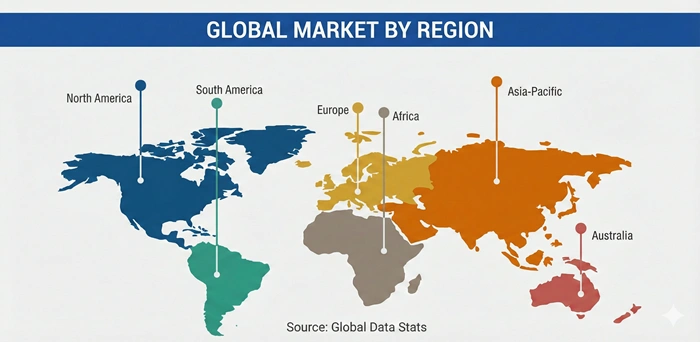
North America dominates the global AI in telemedicine market, accounting for approximately 41% market share in 2025 with valuation exceeding USD 10.5 billion, driven by mature healthcare infrastructure, substantial technology investments, favorable regulatory environment, and high adoption rates among healthcare providers and patient populations comfortable with digital health technologies. The United States represents the primary growth engine within the region, benefiting from technology giants including IBM Watson Health, Google Health, Microsoft Healthcare, and Amazon Web Services committing billions to healthcare AI development alongside pure-play telemedicine leaders such as Teladoc Health, American Well, MDLive, and Doctor on Demand serving millions of virtual consultations annually. Regulatory support from the Centers for Medicare & Medicaid Services expanding telemedicine reimbursement coverage, the Food and Drug Administration establishing clear pathways for AI algorithm approval, and state licensing boards implementing interstate compacts facilitating multi-state practice have collectively removed critical barriers that previously limited telemedicine scalability.
The AI in telemedicine market in North America benefits from widespread broadband internet access, high smartphone penetration exceeding 85%, and consumer familiarity with digital services creating conducive environment for virtual care adoption across demographic segments. Leading healthcare systems including Mayo Clinic, Cleveland Clinic, Kaiser Permanente, and Intermountain Healthcare have implemented comprehensive telemedicine programs integrated with AI-powered triage, clinical decision support, and remote monitoring capabilities serving as demonstration cases influencing broader market adoption. The region's market growth is supported by substantial venture capital and private equity investments in digital health companies, with healthcare AI startups raising billions annually to develop innovative applications spanning diagnostics, drug discovery, clinical workflow optimization, and population health management. Canada contributes meaningfully to regional market growth through government investments in digital health infrastructure, with provinces implementing virtual care strategies and companies such as Telus Health and Dialogue Technologies deploying AI-enhanced telemedicine platforms addressing access challenges in geographically dispersed populations.
Asia Pacific
Rapidly Expanding Digital Infrastructure and Government Initiatives Driving Exceptional Growth Momentum
Asia Pacific represents the fastest-growing regional market for AI in telemedicine with projected CAGR exceeding 24.5% from 2026 to 2033, reflecting massive underserved populations, rapidly improving digital infrastructure, increasing government commitments to healthcare modernization, and technology companies developing innovative solutions optimized for diverse local market conditions and affordability requirements. China leads regional growth with national strategies promoting artificial intelligence development across industries including healthcare, technology giants such as Alibaba Health, Tencent Healthcare, and Ping An Good Doctor deploying comprehensive telemedicine platforms serving hundreds of millions of users, and government policies supporting internet hospital licensing and telemedicine reimbursement to address substantial urban-rural healthcare access disparities. India demonstrates exceptional growth potential with market share expanding rapidly as telecom operators deploy 4G and 5G networks across previously underserved areas, technology companies including Practo, MFine, and Apollo Telehealth offering affordable virtual consultation services, and government initiatives such as the National Digital Health Mission establishing digital health infrastructure foundations.
The AI in telemedicine market in Asia Pacific benefits from large populations with high chronic disease burdens including diabetes, cardiovascular conditions, and respiratory illnesses creating substantial demand for scalable remote monitoring and management solutions that reduce healthcare costs while improving access and outcomes. Japan and South Korea demonstrate particularly high adoption rates of AI-powered health monitoring technologies, with aging populations driving demand for remote elder care solutions, technology companies such as Sony, Panasonic, and Samsung developing innovative health monitoring devices, and governments implementing supportive policies promoting digital health innovation. Southeast Asian nations including Singapore, Malaysia, Thailand, and Indonesia are experiencing rapid telemedicine adoption accelerated by COVID-19 pandemic experiences, with regional healthcare systems investing in digital infrastructure and partnerships with technology providers to deploy AI-enhanced virtual care capabilities addressing geographical access challenges across island nations and dispersed populations. Australia maintains advanced telemedicine capabilities with government support for rural and remote healthcare access through programs such as the Telehealth MBS items and companies including Medibank, Healthdirect Australia, and Eucalyptus Health offering comprehensive virtual care services integrated with AI-powered triage and clinical decision support.
Top Key Players
-
Koninklijke Philips N.V. (Netherlands)
-
Medtronic plc (Ireland)
-
GE Healthcare (United States)
-
Siemens Healthineers AG (Germany)
-
IBM Corporation (United States)
-
Teladoc Health Inc. (United States)
-
American Well Corporation (United States)
-
Cisco Systems Inc. (United States)
-
Oracle Corporation (United States)
-
Epic Systems Corporation (United States)
-
Doximity Inc. (United States)
-
Included Health Inc. (United States)
-
AliveCor Inc. (United States)
-
CVS Health Corporation (United States)
-
Walgreens Boots Alliance Inc. (United States)
Recent Developments
-
Medtronic partnered with Brainomix in 2025 to distribute AI-powered software for stroke diagnostics alongside its neurovascular devices, enhancing clinical decision-making for time-sensitive neurological emergencies and expanding the company's digital health portfolio integrating hardware and intelligent software solutions.
-
GE Healthcare announced partnership with NVIDIA in 2025 at the Radiological Society of North America annual meeting to develop AI-powered autonomous imaging solutions for X-ray and ultrasound technologies using NVIDIA's Isaac for Healthcare and Cosmos platforms, advancing toward fully automated diagnostic imaging workflows.
-
Siemens Healthineers secured a USD 560 million contract with the Canadian government in 2025 to upgrade imaging equipment across Alberta province, establishing AI and machine learning centers of excellence with over USD 124 million in dedicated AI infrastructure investments supporting advanced diagnostic capabilities.
-
Zoom announced partnership with Suki in October 2024 to integrate AI-powered healthcare voice tools and clinical documentation capabilities into telehealth services, enabling automated medical transcription and documentation for both in-person and virtual visits conducted through Zoom's platform.
-
Philips expanded its AI-powered diagnostic portfolio throughout 2025 with FDA clearances for multiple AI algorithms integrated into imaging equipment and patient monitoring systems, advancing its strategic objective of securing over 200 AI regulatory authorizations supporting clinical decision-making across care settings.
Market Trends
Agentic AI and Autonomous Clinical Workflows Reshaping Healthcare Delivery Paradigms
The AI in telemedicine market is witnessing transformative shifts toward agentic artificial intelligence systems capable of autonomous decision-making, proactive patient engagement, and continuous learning from clinical interactions without requiring constant human supervision or intervention. These advanced AI agents move beyond reactive decision support tools to actively monitor patient populations, identify emerging health risks, initiate appropriate interventions, and coordinate care activities across multiple providers and settings while escalating complex cases requiring human clinical judgment. Healthcare organizations are implementing AI agents that autonomously manage medication refill requests, schedule follow-up appointments based on clinical protocols, monitor treatment adherence through wearable device data, and provide personalized health coaching addressing lifestyle factors including nutrition, exercise, sleep, and stress management. The integration of generative AI technologies enables creation of personalized patient education materials, synthesis of complex medical literature to support clinical decision-making, and generation of comprehensive clinical documentation from conversation recordings that reduce administrative burdens on healthcare providers.
Mental health applications represent particularly promising areas for AI in telemedicine market innovation, with intelligent conversational agents providing 24/7 access to behavioral health support, cognitive behavioral therapy techniques, crisis intervention resources, and emotional support that complements traditional therapy while addressing critical access gaps and reducing stigma associated with mental health treatment-seeking. Healthcare technology vendors are developing comprehensive AI-powered care orchestration platforms that integrate telemedicine consultations, remote monitoring, medication management, care planning, and patient engagement into unified ecosystems supporting coordinated care delivery across primary care, specialty care, and behavioral health services. The evolution toward ambient clinical intelligence utilizing natural language processing to automatically capture, document, and analyze clinical conversations represents significant advancement in reducing documentation burdens that contribute to clinician burnout while ensuring comprehensive medical records supporting quality care delivery, accurate coding, and appropriate reimbursement for services provided.
Segments Covered in the Report
By Component
-
Software
-
Natural Language Processing Platforms
-
Computer Vision and Medical Imaging AI
-
Predictive Analytics and Machine Learning Models
-
Clinical Decision Support Systems
-
-
Services
-
Implementation and Integration Services
-
Consulting and Advisory Services
-
Training and Education Services
-
Maintenance and Support Services
-
By Application
-
Virtual Consultation and Teleconsultation
-
Remote Patient Monitoring and Predictive Analysis
-
Diagnostics and Medical Imaging
-
Virtual Nursing Assistants
-
Medication Adherence and Treatment Plans
-
Teleconsultation Enhancement
-
Administrative Workflow Automation
By End User
-
Hospitals and Healthcare Systems
-
Diagnostic Centers and Imaging Facilities
-
Patients and Individual Consumers
-
Healthcare Payers and Insurance Companies
-
Pharmaceutical and Biotechnology Companies
-
Other Healthcare Providers
By Region
-
North America
-
United States
-
Canada
-
Mexico
-
-
Europe
-
Germany
-
United Kingdom
-
France
-
Italy
-
Spain
-
Rest of Europe
-
-
Asia Pacific
-
China
-
India
-
Japan
-
South Korea
-
Australia
-
Southeast Asia
-
Rest of Asia Pacific
-
-
Latin America
-
Brazil
-
Argentina
-
Rest of Latin America
-
-
Middle East and Africa
-
GCC Countries
-
South Africa
-
Rest of Middle East and Africa
-
Frequently Asked Questions
Question 1: What is the projected size of the AI in telemedicine market by 2033?
Answer: The AI in telemedicine market is projected to reach USD 142.45 billion by 2033, growing from USD 31.70 billion in 2026. This substantial growth reflects increasing adoption of intelligent remote healthcare solutions across diverse clinical applications and geographical markets.
Question 2: Which region dominates the global AI in telemedicine market currently?
Answer: North America dominates the AI in telemedicine market with approximately 41% market share, driven by advanced digital infrastructure and favorable regulatory policies. The United States leads regional growth with substantial investments from technology companies and healthcare systems implementing comprehensive virtual care programs.
Question 3: What application segment shows the fastest growth in the AI in telemedicine market?
Answer: Remote patient monitoring represents the fastest-growing application in the AI in telemedicine market with projected CAGR of 24.2% from 2026 to 2033. This growth is driven by increasing adoption of wearable devices and predictive analytics enabling proactive chronic disease management.
Question 4: What are the primary factors driving AI in telemedicine market growth?
Answer: The AI in telemedicine market growth is driven by rising healthcare costs, chronic disease prevalence, healthcare professional shortages, and technological advancements. Regulatory support for telemedicine reimbursement and expanded digital health infrastructure further accelerate market adoption across diverse healthcare settings.
Question 5: Which companies are leading the AI in telemedicine market globally?
Answer: Leading companies in the AI in telemedicine market include Koninklijke Philips, Medtronic, GE Healthcare, Siemens Healthineers, and IBM Corporation. Telemedicine specialists such as Teladoc Health and American Well alongside technology giants including Oracle and Cisco Systems also hold significant market positions.