
AI in Patient Management Market Overview
The global AI in patient management market size is valued at USD 3.55 billion in 2025 and is predicted to increase from USD 4.69 billion in 2026 to approximately USD 49.85 billion by 2033, growing at a CAGR of 28.92% from 2026 to 2033. This rapid expansion reflects the rising use of AI tools in scheduling, remote monitoring, triage, and patient engagement across hospitals, clinics, and virtual care platforms. As healthcare systems face staff shortages and cost pressures, providers are turning to intelligent software that can streamline workflows, personalize care, and support clinical decision-making in real time.
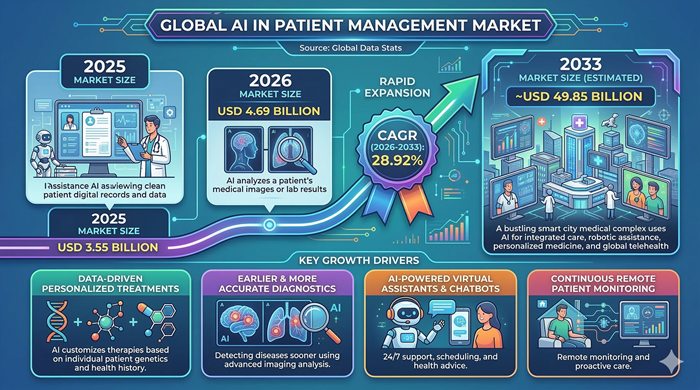
AI Impact on the Healthcare Industry
AI is reshaping patient journeys from first contact to post-discharge care
AI in patient management is changing how patients interact with healthcare across the entire continuum of care, from appointment booking to follow-up and chronic disease management. Intelligent triage tools, chatbots, and virtual assistants help patients navigate symptoms, schedule visits, and access self-care content, while also reducing call-center load and administrative burden on staff. These systems analyze medical histories, lab data, and previous visits to prioritize high‑risk patients and ensure faster access to appropriate care.
On the clinical side, AI-driven patient management platforms support remote patient monitoring, predictive risk scoring, and proactive outreach for conditions such as heart failure, diabetes, and respiratory diseases. Care teams use AI-generated alerts to adjust treatment plans earlier, preventing avoidable hospitalizations and improving patient satisfaction. As integration with electronic health records deepens, AI tools are becoming a core layer of the digital care infrastructure rather than standalone add‑ons.
Growth Factors
Rising digital health adoption and demand for efficient care are driving the market
Several powerful trends are boosting the growth of the AI in patient management market, especially the shift toward virtual care and value‑based reimbursement models. Health systems in North America, Europe, and Asia Pacific are investing heavily in AI-powered platforms to reduce waiting times, optimize bed capacity, and better manage chronic conditions outside the hospital. The expansion of broadband connectivity and smartphone use makes it easier to deploy remote monitoring and telehealth tools at scale, further supporting market growth.
Another important driver is the explosion of healthcare data from wearables, imaging, lab systems, and EHRs, which creates a strong need for intelligent automation. AI algorithms can detect subtle patterns in this data to predict deterioration, support personalized treatment plans, and automate routine documentation tasks. Payers and governments are also encouraging AI adoption through reimbursement codes for remote monitoring and digital health, which strengthens the long‑term growth outlook for the AI in patient management market.
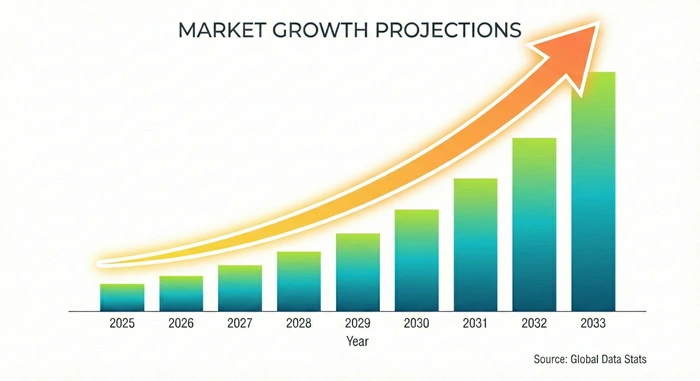
Market Outlook
Strong double‑digit growth expected as AI becomes embedded in care delivery
From 2026 to 2033, the AI in patient management market is expected to sustain strong double‑digit growth, with a CAGR of 28.92% supported by wider deployment in hospitals, outpatient clinics, and home‑care settings. Early adopters are moving from pilot projects to enterprise‑wide rollouts, particularly for AI‑driven patient engagement, bed management, and predictive analytics. As platforms mature and interoperability improves, buyers are favoring integrated suites that combine scheduling, communication, and monitoring capabilities.
Over the forecast period, more healthcare providers will adopt outcome‑based contracts and shared‑savings models with technology vendors, aligning AI investments with measurable improvements in readmission rates, length of stay, and patient satisfaction. Regulatory authorities are also refining AI guidelines and validation frameworks, which will increase confidence in deploying AI solutions at scale. By 2033, AI‑enabled patient management is likely to be viewed as a standard requirement for competitive healthcare organizations rather than an optional innovation project.
Expert Speaks
-
CEO, Leading US Health System (USA): The CEO notes that AI in patient management allows their hospitals to safely manage more complex patients with fewer resources, by automating triage, appointment reminders, and post‑discharge follow‑up. They highlight that AI‑enabled workflows have cut no‑show rates and improved care coordination across inpatient and outpatient services.
-
CEO, Global Health IT Vendor (USA): This executive explains that demand is growing fastest for AI platforms that combine patient engagement, risk stratification, and remote monitoring in a single environment. They emphasize that clients now expect plug‑and‑play integration with EHRs and existing telehealth systems.
-
CEO, Asia Pacific Multihospital Network (Singapore): The CEO points out that AI‑supported patient management is critical for addressing clinician shortages and serving large urban and rural populations. They report strong improvements in chronic disease outcomes after deploying AI-driven follow‑up and adherence tools across their network.
Key Report Takeaways
-
North America leads the market because of its advanced digital infrastructure, strong investment in AI, and early adoption of EHR‑integrated patient management platforms, giving the region an estimated around 39.3% share in 2025 with a solid double‑digit CAGR through 2033.
-
Asia Pacific is the fastest‑growing region, supported by rapid healthcare digitalization, large patient populations, and government‑backed AI programs, with a projected CAGR of more than 30% from 2026 to 2033 in the AI in patient management market.
-
Healthcare providers are the most intensive users of AI‑driven patient management, especially large hospital groups and integrated delivery networks that rely on AI to manage capacity, improve throughput, and support complex chronic care pathways.
-
Patient engagement and communication applications contribute the most revenue, holding a significant share (slightly above 20% in 2025) as providers use AI chatbots, virtual assistants, and omnichannel messaging to enhance experience and reduce administrative workload.
-
AI‑driven patient monitoring and remote care are emerging as the most popular process areas, as they combine monitoring, prediction, and workflow automation to reduce readmissions and enable home‑based care models.
-
Predictive analytics and risk stratification will grow quickly, with an expected CAGR above the overall market average as payers and providers increasingly depend on predictive models to identify high‑risk patients, prioritize outreach, and allocate resources.
Market Scope
| Report Coverage | Details |
|---|---|
| Market Size by 2033 | USD 49.85 billion |
| Market Size by 2025 | USD 3.55 billion |
| Market Size by 2026 | USD 4.69 billion |
| Market Growth Rate from 2026 to 2033 | CAGR of 28.92% |
| Dominating Region | North America |
| Fastest Growing Region | Asia Pacific |
| Base Year | 2025 |
| Forecast Period | 2026 to 2033 |
| Segments Covered | Offering, Application, End User, Deployment, Region |
| Regions Covered | North America, Europe, Asia Pacific, Latin America, Middle East and Africa |
Market Dynamics
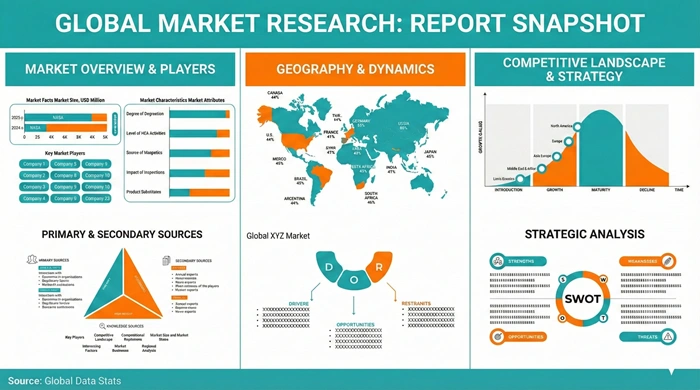
Drivers Impact Analysis
AI adoption accelerates digital patient management
In the AI in patient management market, key drivers include rising demand for efficient care delivery, growing chronic disease burden, and the need to reduce administrative workloads. These drivers have a strong positive impact (≈35–40% influence on CAGR), especially in regions with mature health IT infrastructure such as North America and Western Europe. The impact is global but is particularly pronounced in urban centers where patient volumes and complexity are highest, and the timeline of impact is near‑ to mid‑term as providers actively deploy AI solutions.
AI strengthens patient flow management, automates appointment reminders, and improves remote monitoring, which directly supports value‑based care initiatives. As more health systems demonstrate measurable gains in readmission reduction and operational efficiency, the driver effect is expected to intensify through 2033.
Restraints Impact Analysis
Data, regulation, and skills remain barriers
Restraints in the AI in patient management market include concerns about data privacy, integration challenges with legacy systems, and limited AI skills within provider organizations. These factors exert a moderate negative impact (≈20–25% influence on CAGR), most visible in regions with fragmented health IT landscapes or strict data protection regimes. The impact timeline is mid‑term, as regulators and organizations gradually update standards, policies, and governance models.
Providers may hesitate to deploy AI tools widely if they lack clarity on liability, algorithm transparency, or long‑term maintenance costs. Integration complexity can delay projects and limit the ability to scale AI in patient management beyond pilot programs. However, as vendors improve interoperability and provide managed services, the restraining effect should gradually ease.
Opportunities Impact Analysis
New care models and AI‑first platforms
Significant opportunities in the AI in patient management market come from expansion of home‑based care, chronic disease programs, and AI‑first virtual clinics. These opportunities have a high positive impact (≈30–35% influence on CAGR) and are especially strong in North America, Asia Pacific, and parts of Europe where payers are open to reimbursing digital care models. The impact timeline is mid‑ to long‑term, aligning with broader health system transformation and demographic aging trends.
Vendors that offer scalable, cloud‑based platforms with built‑in analytics and configurable workflows are well positioned to capture this opportunity. Partnerships between technology firms, providers, and insurers will create new business models focused on continuous, AI‑enabled patient management rather than episodic care.
Segment Analysis
By Application – Patient Engagement and Communication
AI tools enhance communication, education, and adherence across patient journeys
The patient engagement and communication segment holds a leading share of the AI in patient management market, contributing slightly above 20% of total revenue in 2025 and expected to grow at a robust CAGR through 2033. This segment includes AI chatbots, virtual assistants, automated messaging, and personalized education content that help patients understand their conditions and follow care plans. North America currently leads this segment due to high digital literacy and investment in omnichannel engagement platforms, while Asia Pacific is showing rapid adoption from mobile‑first solutions. Key companies active here include global health IT vendors and specialized patient engagement firms that integrate with EHR and telehealth systems.
Over the forecast period, this application segment in the AI in patient management market is projected to maintain strong double‑digit growth as providers seek to improve satisfaction scores and reduce churn in competitive healthcare markets. AI-driven communication makes it easier to deliver 24/7 support, tailored reminders, and culturally adapted content, which improves adherence and outcomes. Vendors that can support multiple languages and channels, including SMS, apps, and web portals, will be particularly successful in emerging markets.
By End User – Hospitals and Health Systems
Large provider networks drive enterprise‑scale adoption of AI platforms
Hospitals and multi‑hospital health systems represent the largest end‑user segment in the AI in patient management market, accounting for the majority of spending in 2025 and forecast to grow at a strong CAGR to 2033. These organizations use AI to optimize bed management, admission and discharge planning, and care coordination across departments and sites. North America and Europe currently generate the highest revenues from this segment, while Asia Pacific hospitals are rapidly investing as they expand capacity and modernize digital infrastructure. Leading players supplying this segment include major EHR vendors, cloud service providers, and specialized AI healthcare companies.
Hospitals view AI in patient management as a critical lever to deal with staffing shortages and rising case complexity without proportionally increasing costs. Enterprise buyers are favoring platforms that combine workflow automation, risk prediction, and patient engagement features in a single system. As value‑based care contracts become more prevalent, hospitals that can leverage AI to manage populations more effectively will gain a competitive edge.
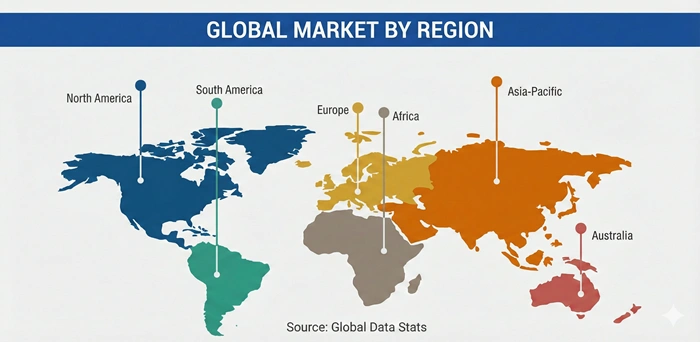
Regional Insights
North America
Advanced infrastructure and early AI adoption sustain leadership
North America is the dominant region in the AI in patient management market, accounting for roughly around 39.3% share in 2025 and projected to maintain a strong double‑digit CAGR through 2033. The region benefits from high healthcare spending, widespread use of EHR systems, and strong venture capital funding for health AI startups. The United States leads adoption, with large health systems rolling out AI platforms for patient engagement, care coordination, and remote monitoring at scale. Major technology and cloud providers headquartered in the US further strengthen the ecosystem.
In North America, the AI in patient management market is driven by payers and regulators encouraging digital health innovations to improve outcomes and reduce costs. Key players active in the region include large EHR vendors, AI software companies, and integrated delivery networks that co‑develop solutions. The regional CAGR is expected to remain robust as organizations expand from point solutions to enterprise AI strategies linked to quality metrics and reimbursement.
Asia Pacific
Digital transformation and unmet needs fuel rapid expansion
Asia Pacific is the fastest‑growing region in the AI in patient management market, projected to record a CAGR higher than 30% from 2026 to 2033 as countries scale digital health programs. Rapid urbanization, large aging populations, and uneven access to specialists are pushing health systems to adopt AI tools for remote care, triage, and chronic disease management. Governments in markets such as China, India, Singapore, and South Korea are investing in AI infrastructure, data platforms, and regulatory sandboxes to accelerate innovation.
Regional players and global vendors are partnering with public and private providers to roll out AI‑enabled patient management solutions tailored to local needs and resource constraints. Examples include AI assistants that summarize patient histories for clinicians and predictive models that help allocate limited hospital beds. While the region’s current revenue share is smaller than North America’s, its higher CAGR suggests a steadily rising contribution to global growth over the forecast period.
Top Key Players
-
Epic Systems (USA)
-
Cerner Oracle Health (USA)
-
Philips Healthcare (Netherlands)
-
Siemens Healthineers (Germany)
-
GE HealthCare (USA)
-
Microsoft (USA)
-
IBM (USA)
-
Allscripts Altera Digital Health (USA)
-
Change Healthcare (USA)
-
Ping An Health Technology (China)
Recent Developments
-
2025 – Philips Healthcare (Netherlands) expanded its AI‑enabled patient monitoring and management platform with new predictive algorithms for deterioration detection, targeting large hospital networks in Europe and North America.
-
2025 – Siemens Healthineers (Germany) acquired a digital health startup focused on AI‑driven care coordination to enhance its enterprise patient management offerings.
-
2024 – Epic Systems (USA) announced new AI capabilities for automating patient messaging, triage recommendations, and in‑basket routing to reduce clinician burden.
-
2024 – Microsoft (USA) launched healthcare‑specific AI cloud services designed to help providers build and scale AI in patient management applications securely.
-
2024 – GE HealthCare (USA) introduced AI‑enabled command center tools that integrate patient flow, capacity management, and predictive analytics for large health systems.
Market Trends
Evolving from point solutions to unified AI platforms
One of the major trends in the AI in patient management market is the move from isolated tools toward unified platforms that handle engagement, monitoring, and workflow automation in a single environment. Providers want consistent user experiences for both staff and patients, as well as centralized analytics that can track outcomes across the continuum of care. This consolidation trend favors vendors that offer modular, interoperable solutions.
Another key trend is the increasing use of predictive and generative AI in patient management, including risk stratification, summarization of medical histories, and automated follow‑up recommendations. These capabilities allow clinicians to spend more time on complex decision‑making and direct patient contact. Ethical AI, transparency, and governance frameworks are gaining prominence as organizations seek to balance innovation with trust and safety.
Segments Covered in the Report
-
By Offering
-
Software
-
Services
-
Hardware
-
By Application
-
Patient engagement and communication
-
Remote patient monitoring and telehealth workflows
-
Appointment and scheduling management
-
Care coordination and discharge planning
-
Predictive analytics and risk stratification
-
By End User
-
Hospitals and health systems
-
Ambulatory care centers and clinics
-
Telehealth providers and virtual care platforms
-
Payers and managed care organizations
-
By Deployment Mode
-
Cloud‑based solutions
-
On‑premise solutions
-
By Region
-
North America (US, Canada)
-
Europe (Germany, UK, France, rest of Europe)
-
Asia Pacific (China, India, Japan, Southeast Asia, rest of Asia Pacific)
-
Latin America (Brazil, Mexico, rest of Latin America)
-
Middle East and Africa (GCC, South Africa, rest of MEA)
Frequently Asked Questions
Question 1: What is the current size of the AI in patient management market?
Answer: The AI in patient management market is currently worth a few billion dollars and is growing at a strong double‑digit rate. It is expanding quickly as hospitals and digital health providers scale AI tools for engagement, monitoring, and workflow automation.
Question 2: How will the AI in patient management market grow by 2033?
Answer: The AI in patient management market is projected to reach about USD 49.85 billion by 2033 with a CAGR of 28.92% from 2026 to 2033. Growth is supported by rising digital adoption, chronic disease management needs, and supportive policies.
Question 3: Which region leads the AI in patient management market today?
Answer: North America currently leads the AI in patient management market with the largest revenue share in 2025. This leadership comes from advanced infrastructure, strong investment, and early AI adoption by major health systems.
Question 4: What are the key applications in the AI in patient management market?
Answer: The AI in patient management market covers applications such as patient engagement, remote monitoring, scheduling, and predictive analytics. Patient engagement and communication currently account for a leading share of segment revenue.
Question 5: Who are the main buyers of solutions in the AI in patient management market?
Answer: The main buyers in the AI in patient management market are hospitals, integrated health systems, clinics, and telehealth providers. Payers and managed care organizations are also increasingly investing in AI platforms to support population health programs.