AI Governance Market Overview
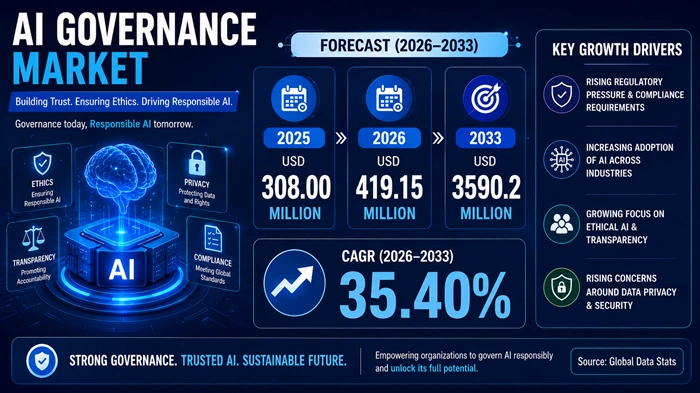
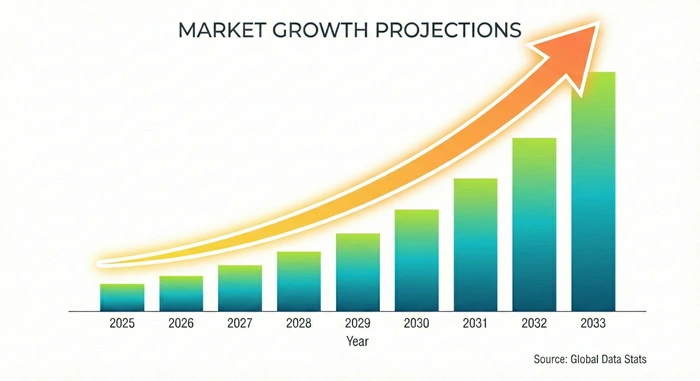
The global AI governance market size is valued at USD 308.00 million in 2025 and is predicted to increase from USD 419.15 million in 2026 to approximately USD 3590.2 million by 2033, growing at a CAGR of 35.40% from 2026 to 2033. This remarkable expansion reflects the urgent necessity for organizations worldwide to establish robust frameworks ensuring artificial intelligence systems operate ethically, transparently, and in compliance with evolving regulatory requirements as AI adoption accelerates across industries. AI governance encompasses comprehensive policies, procedures, and technological solutions that enable organizations to develop, deploy, and monitor AI systems while addressing critical concerns including algorithmic bias, data privacy, model explainability, and accountability throughout the AI lifecycle from development through production deployment and ongoing monitoring.
The AI governance market represents essential infrastructure supporting responsible AI adoption as enterprises recognize that unmanaged AI implementations pose substantial risks including regulatory penalties, reputational damage, discriminatory outcomes, and loss of stakeholder trust that can far exceed any operational benefits AI provides. These sophisticated governance frameworks integrate risk assessment methodologies, model documentation standards, bias detection tools, continuous monitoring systems, and compliance management platforms that enable organizations to demonstrate AI systems meet ethical standards, regulatory requirements, and internal policies. Growing regulatory scrutiny with governments worldwide implementing AI-specific legislation, increasing public awareness about AI risks highlighted by high-profile failures, escalating demands from customers and stakeholders for ethical AI practices, and recognition that governance enables sustainable AI scaling are driving unprecedented investment in AI governance capabilities across technology companies, financial institutions, healthcare organizations, and government agencies globally.
AI Impact on the AI Governance Industry
Self-Governing Systems and Automated Compliance Monitoring Transform Governance Paradigms
Artificial intelligence itself is revolutionizing the AI governance market by enabling automated monitoring, real-time risk detection, and intelligent compliance verification that dramatically enhance governance effectiveness while reducing manual oversight burdens as AI systems become more complex and numerous. AI-powered governance platforms continuously monitor deployed models analyzing prediction patterns, data quality, model drift, and performance degradation, automatically detecting anomalies indicating potential bias, fairness issues, or accuracy declines requiring human review and intervention. Machine learning algorithms analyze model explanations and decision paths identifying scenarios where AI systems make recommendations based on inappropriate features or exhibit unexplained behavior inconsistent with intended operation, flagging these concerns for governance teams. Natural language processing technologies automatically scan model documentation, development records, and compliance artifacts ensuring required governance checkpoints were completed, documentation meets standards, and models received appropriate approvals before production deployment. Computer vision and pattern recognition capabilities analyze data flows identifying potential privacy violations, unauthorized data usage, or data quality issues that could compromise model integrity or create compliance risks.
The integration of AI into governance platforms extends throughout the entire governance lifecycle from initial AI project ideation through decommissioning retired systems, creating comprehensive intelligent oversight that scales efficiently as organizations deploy hundreds or thousands of AI models. Predictive analytics forecast which deployed models are most likely to experience performance degradation or compliance issues based on historical patterns, enabling proactive monitoring focusing governance resources on highest-risk systems. Neural networks learn from human governance decisions including model approval patterns, risk assessments, and remediation actions, gradually automating routine governance tasks while escalating complex scenarios requiring human judgment. AI-driven documentation generation automatically creates required governance artifacts including model cards, risk assessments, and compliance reports by extracting information from development tools, code repositories, and testing results, eliminating manual documentation burdens that historically delayed AI project timelines. This technological transformation is creating virtuous cycles where AI enables better AI governance, which in turn enables more responsible and scalable AI adoption supporting continued market growth.
Growth Factors
Escalating Regulatory Requirements and High-Profile AI Failures Drive Governance Imperative
The proliferation of AI-specific regulations and governance frameworks worldwide represents the fundamental driver propelling AI governance market expansion as governments recognize that existing technology regulations inadequately address unique AI risks and capabilities. The European Union's AI Act establishing comprehensive regulatory framework categorizing AI systems by risk level and imposing stringent requirements for high-risk applications became enforceable in 2024, creating immediate compliance obligations for organizations deploying AI in EU markets. United States federal agencies including the Federal Trade Commission and Consumer Financial Protection Bureau have issued guidance and enforcement actions regarding AI fairness, bias, and transparency, while individual states including California and New York have enacted AI-specific legislation addressing issues from automated decision-making to deepfakes. China implemented comprehensive AI regulations governing algorithms, recommendations systems, and generative AI requiring security assessments and content management. The AI governance market benefits enormously from this regulatory momentum as organizations must implement governance frameworks demonstrating compliance with existing regulations while preparing for additional requirements under development globally, with non-compliance exposing organizations to substantial penalties, operational restrictions, and reputational damage.
High-profile AI failures causing financial losses, discriminatory outcomes, privacy violations, and public relations crises are accelerating governance adoption as boards, executives, and risk management professionals recognize unmanaged AI represents existential organizational risks. Facial recognition systems exhibiting racial bias have led to wrongful arrests and discrimination lawsuits generating negative publicity and regulatory scrutiny for deploying organizations. Healthcare AI systems making erroneous diagnoses or treatment recommendations have raised patient safety concerns and medical liability issues. Financial services AI models perpetuating lending discrimination have resulted in regulatory enforcement actions and substantial penalties. Recruitment AI exhibiting gender or age bias has created employment discrimination liabilities and damaged employer brands. The AI governance market expansion is accelerated by growing recognition across executive leadership and boards of directors that AI governance represents essential risk management rather than optional compliance overhead, with effective governance enabling organizations to capture AI benefits while managing downside risks. Industry associations and professional organizations are establishing AI governance best practices, certification programs, and standards providing frameworks organizations can adopt demonstrating responsible AI practices to customers, regulators, and other stakeholders.
Market Outlook
Enterprise AI Scaling and Stakeholder Demands Shape Robust Growth Trajectory
The AI governance market outlook through 2033 remains exceptionally positive as enterprise AI adoption transitions from experimental pilots into production deployments at scale requiring formalized governance ensuring consistency, compliance, and quality across expanding AI portfolios. Organizations that successfully demonstrated AI value through limited pilots are now deploying AI across multiple business functions and use cases, creating governance challenges managing dozens or hundreds of models developed by different teams using various technologies and serving diverse purposes. This scaling demands centralized governance platforms providing unified visibility into all AI systems, standardized development and deployment processes, consistent risk assessment methodologies, and enterprise-wide monitoring ensuring deployed models continue performing as intended. Cloud service providers and AI platform vendors are integrating governance capabilities directly into development and deployment tools, making governance more accessible and reducing friction in AI workflows that historically deterred governance adoption.
Looking toward the forecast period conclusion in 2033, market dynamics will be increasingly influenced by stakeholder capitalism and ESG considerations as investors, customers, employees, and communities demand organizations demonstrate responsible AI practices aligned with societal values. Institutional investors are incorporating AI governance into ESG assessments and investment decisions, recognizing that poor AI governance poses material financial risks while strong governance indicates management quality and long-term thinking. Customers increasingly consider AI ethics and governance when making purchasing decisions, particularly in consumer-facing applications where AI directly affects user experiences and outcomes. Employees, especially technical talent, prefer working for organizations demonstrating commitment to responsible AI development through robust governance frameworks and ethical practices. The AI governance market is evolving toward integrated platforms combining technical governance capabilities with business process workflows, enabling organizations to embed governance seamlessly into existing development methodologies, project management systems, and compliance programs rather than implementing separate governance layers creating additional process overhead. Industry-specific governance solutions addressing unique requirements in healthcare, financial services, government, and other regulated sectors are emerging, providing pre-built compliance frameworks, industry-standard risk assessments, and sector-appropriate governance workflows accelerating adoption.
Expert Speaks
-
Satya Nadella, Chairman and CEO of Microsoft, emphasized during January 2026 World Economic Forum discussions that AI creates complete inversion of organizational information flows requiring structural redesign, with Microsoft's responsible AI program starting with executive leadership and focusing on ensuring AI systems are developed with strong governance frameworks supporting trust, transparency, and accountability while enabling innovation, and organizations must fundamentally rethink workflows and management structures to successfully deploy AI at scale while maintaining appropriate oversight and human control over critical decisions.
-
Sundar Pichai, CEO of Google and Alphabet, stated in addresses to policymakers that Google strongly supports sensible regulation of artificial intelligence taking proportionate approaches balancing potential harms with societal benefits, with the company committed to being helpful and engaged partner to regulators offering expertise and tools to navigate AI governance challenges, recognizing that biggest risk may be failing to realize AI's potential to improve billions of lives while ensuring development proceeds responsibly through frameworks addressing transparency, fairness, accountability, privacy, and safety.
-
Arvind Krishna, Chairman and CEO of IBM, highlighted in various industry forums that IBM has decades of experience developing enterprise AI solutions with built-in governance capabilities, emphasizing that trust in AI depends on transparency, explainability, and robust governance frameworks enabling organizations to understand how AI systems make decisions, ensure fairness across diverse populations, and maintain human oversight over critical processes, with IBM's AI governance solutions helping clients manage entire AI lifecycles while meeting regulatory requirements and maintaining stakeholder confidence.
Key Report Takeaways
-
North America dominates the global AI governance market with approximately 32% market share driven by stringent regulatory environment, early enterprise AI adoption creating governance needs, presence of major technology companies developing AI governance solutions, and sophisticated awareness among enterprises about AI risks and governance requirements creating sustained demand for comprehensive governance platforms and services.
-
Asia-Pacific emerges as the fastest-growing regional market with projected CAGR exceeding 37.5% through 2033, fueled by rapid AI adoption across China, India, Japan, and Southeast Asian nations, governments implementing AI regulations requiring governance frameworks, digital transformation initiatives deploying AI across industries, and growing recognition that governance enables responsible AI scaling supporting economic development and innovation objectives.
-
Software component segment leads market categorization accounting for approximately 66% of global AI governance market revenue as organizations require comprehensive platforms providing model monitoring, bias detection, explainability tools, compliance management, and documentation capabilities enabling end-to-end governance throughout AI lifecycles from development through production deployment and ongoing monitoring.
-
Large enterprises dominate market adoption representing around 68% of AI governance deployments as organizations with extensive AI portfolios, regulatory compliance obligations, and sophisticated risk management requirements invest heavily in governance platforms and services managing hundreds of models across multiple business units while demonstrating responsible AI practices to regulators, investors, customers, and other stakeholders.
-
BFSI end-user segment captures substantial market share accounting for approximately 28% of revenue as financial institutions face extensive regulatory scrutiny regarding AI fairness, transparency, and explainability, with requirements including model risk management, fair lending compliance, and customer protection creating immediate governance needs while high-risk nature of financial AI applications justifies substantial governance investments.
-
Cloud-based deployment mode exhibits highest growth potential expected to expand at CAGR exceeding 38% through 2033 as organizations prefer scalable SaaS governance platforms offering rapid deployment, continuous updates incorporating new regulations and best practices, and lower total cost of ownership compared to on-premise solutions while enabling governance across hybrid and multi-cloud AI deployments common in modern enterprise architectures.
Market Scope
| Report Coverage Details | |
|---|---|
| Market Size by 2033 | USD 3590.2 Million |
| Market Size by 2025 | USD 308.00 Million |
| Market Size by 2026 | USD 419.15 Million |
| Market Growth Rate from 2026 to 2033 | CAGR of 35.40% |
| Dominating Region | North America |
| Fastest Growing Region | Asia-Pacific |
| Base Year | 2025 |
| Forecast Period | 2026 to 2033 |
| Segments Covered | Component, Deployment Mode, Organization Size, End-User, Region |
| Regions Covered | North America, Europe, Asia-Pacific, Latin America, Middle East and Africa |
Market Dynamics
Drivers Impact Analysis
Increasing AI Deployment Complexity and Model Proliferation Demand Systematic Governance
| Factor | Details |
|---|---|
| ≈ % Impact on CAGR Forecast | +12.5% to +14.2% |
| Geographic Relevance | Global, particularly strong in North America, Europe, Asia-Pacific |
| Impact Timeline | Immediate to Long-term (2026-2033) |
The exponential growth in enterprise AI deployments represents the fundamental driver propelling AI governance market expansion as organizations transition from managing handful of experimental models to production AI portfolios encompassing hundreds or thousands of systems requiring systematic oversight. Large enterprises now deploy AI across diverse functions including customer service chatbots, fraud detection systems, predictive maintenance models, demand forecasting algorithms, personalized recommendation engines, and automated decision-making systems affecting customers, employees, and business operations. This proliferation creates governance challenges as different teams develop models using various technologies and frameworks, models interact in complex ways producing emergent behaviors difficult to predict, and deployed systems require continuous monitoring ensuring performance remains acceptable as data distributions shift and business conditions evolve. The AI governance market benefits from recognition that manual governance approaches relying on spreadsheets and documentation reviews cannot scale effectively beyond small AI portfolios, with organizations requiring comprehensive platforms providing centralized visibility, automated monitoring, and standardized processes managing AI at enterprise scale.
Model complexity increasing dramatically with adoption of large language models, multimodal AI systems, and ensemble approaches combining multiple models amplifies governance requirements as understanding how these sophisticated systems produce outputs becomes progressively difficult. Traditional machine learning models using relatively simple algorithms with interpretable feature relationships are being replaced by deep neural networks with millions or billions of parameters exhibiting black-box behavior where even developers struggle to explain specific predictions. Generative AI models including ChatGPT and similar systems introduce new governance challenges around output quality, hallucinations, copyright concerns, and potential for generating harmful or biased content requiring novel monitoring approaches. The AI governance market expansion is accelerated by growing recognition that model explainability and transparency represent essential governance capabilities enabling organizations to validate AI systems operate as intended, identify and remediate bias or fairness issues, and provide explanations to regulators, customers, and affected individuals when required by law or ethical considerations. Organizations document substantial governance benefits including faster identification of model issues preventing widespread impact, improved stakeholder confidence through transparency demonstrating responsible AI practices, and reduced regulatory and litigation risks through comprehensive documentation and monitoring proving due diligence.
Restraints Impact Analysis
Limited AI Governance Expertise and Complex Implementation Requirements Challenge Adoption
| Factor | Details |
|---|---|
| ≈ % Impact on CAGR Forecast | -2.8% to -3.5% |
| Geographic Relevance | Small-medium enterprises globally, developing markets |
| Impact Timeline | Short to Medium-term (2026-2029) |
The AI governance market faces significant adoption barriers related to scarcity of professionals possessing combined expertise in AI technologies, risk management, regulatory compliance, and organizational governance creating talent constraints limiting how quickly organizations can implement effective governance programs. Successful AI governance requires cross-functional expertise spanning data science understanding model development and validation, legal knowledge interpreting AI regulations and implications, risk management skills assessing and mitigating AI-related risks, and organizational change management capabilities implementing governance processes across distributed teams. This rare combination of skills remains scarce in labor markets, with organizations competing intensely for limited talent pool of governance specialists commanding premium compensation. Many organizations lack internal expertise to evaluate governance platform capabilities, design appropriate governance frameworks for their specific AI use cases and risk profiles, or customize vendor solutions to their unique requirements, creating adoption hesitation and implementation delays. Educational institutions and professional certification programs are gradually developing AI governance curricula, but workforce development lags behind rapid market growth creating sustained talent shortages.
Technical complexity associated with integrating governance platforms with existing AI development tools, data infrastructure, model deployment systems, and compliance management creates implementation challenges requiring substantial technical resources and extended timelines. Effective governance demands visibility into complete AI lifecycle from data collection through model development, validation, deployment, and ongoing monitoring, requiring integrations with diverse tools including data platforms, development environments, version control systems, testing frameworks, and production deployment infrastructure. Organizations operating in hybrid and multi-cloud environments face additional complexity ensuring governance platforms can monitor models regardless of deployment location or underlying infrastructure. The AI governance market struggles with limited standardization across AI technologies and frameworks, with governance platforms requiring custom integrations supporting TensorFlow, PyTorch, scikit-learn, and numerous other development frameworks along with deployment platforms including cloud services from AWS, Azure, and Google Cloud plus on-premise solutions. Return on investment proving difficult to quantify creates budget approval challenges as governance benefits including risk mitigation and regulatory compliance provide value primarily by preventing negative outcomes rather than generating measurable revenue or cost savings, making business cases less compelling compared to AI investments directly supporting revenue growth or operational efficiency.
Opportunities Impact Analysis
Generative AI Proliferation and Industry-Specific Solutions Create Expansion Pathways
| Factor | Details |
|---|---|
| ≈ % Impact on CAGR Forecast | +8.5% to +10.8% |
| Geographic Relevance | Global, particularly North America, Europe, Asia-Pacific |
| Impact Timeline | Medium to Long-term (2027-2033) |
The explosive adoption of generative AI including large language models and image generation systems creates transformative opportunities for the AI governance market as these powerful technologies introduce novel governance challenges requiring specialized monitoring, risk management, and compliance capabilities. Generative AI systems exhibit unique risks including generating false information (hallucinations), reproducing copyrighted material, perpetuating biases present in training data, producing harmful or inappropriate content, and potential for malicious use creating misinformation or deepfakes. Organizations deploying ChatGPT, GPT-4, Claude, and similar systems in customer-facing applications recognize they need governance frameworks preventing problematic outputs, monitoring content quality, and demonstrating reasonable efforts to mitigate risks if issues occur. The AI governance market benefits from generative AI becoming mainstream enterprise technology rather than experimental curiosity, with organizations across industries implementing chatbots, content generation tools, code assistants, and creative applications requiring governance ensuring appropriate use and managing associated risks. Specialized governance solutions addressing generative AI challenges including prompt engineering validation, output quality monitoring, hallucination detection, copyright risk assessment, and bias evaluation represent rapidly growing market segments.
Industry-specific AI governance solutions addressing unique regulatory requirements, use cases, and risk profiles in healthcare, financial services, government, manufacturing, and other sectors represent substantial opportunities as generic governance platforms often fail to address specialized needs. Healthcare AI governance must address patient safety, HIPAA compliance, medical device regulations for AI systems supporting clinical decisions, and ethical considerations around AI in treatment decisions with life-or-death implications. Financial services governance encompasses model risk management frameworks, fair lending regulations, market manipulation prevention, and consumer protection requirements specific to banking, insurance, and investment applications. Government AI governance addresses transparency requirements, public accountability, constitutional rights considerations, and public trust imperatives where AI systems affect citizens' access to benefits, law enforcement interactions, or government services. The AI governance market expansion is accelerated by vendors developing vertical-specific solutions incorporating pre-built regulatory compliance frameworks, industry-standard risk assessments, and specialized monitoring capabilities addressing sector-unique concerns, enabling faster deployment and reducing customization requirements compared to adapting horizontal governance platforms. Professional services opportunities supporting governance program design, implementation, training, and ongoing management represent substantial market segments as many organizations prefer engaging external expertise rather than building internal capabilities from scratch, with consulting firms, systems integrators, and specialized service providers offering comprehensive governance program support.
Segment Analysis
By Component: Software Segment
Comprehensive Platforms and Specialized Tools Drive Dominant Market Position
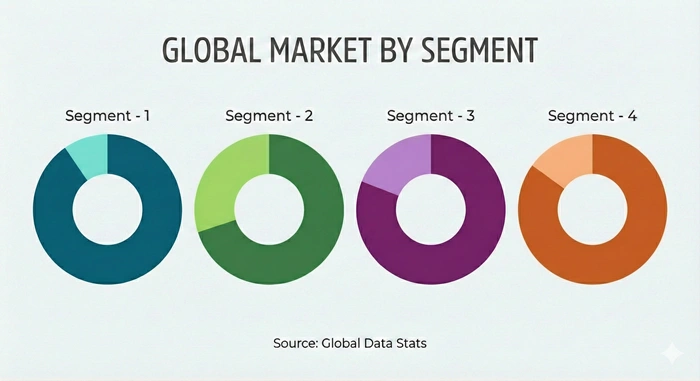
The software component segment maintains commanding market dominance within the AI governance market landscape, capturing approximately 66% of global revenue driven by organizations' fundamental need for comprehensive platforms providing end-to-end visibility, automated monitoring, and systematic control over expanding AI portfolios. AI governance software encompasses diverse capabilities including model inventory management tracking all AI systems across organizations, risk assessment tools evaluating models against regulatory requirements and internal policies, bias and fairness testing analyzing predictions across demographic groups, explainability solutions generating human-understandable explanations of model decisions, model monitoring detecting performance degradation and data drift, and compliance documentation automating required governance artifacts. These integrated platforms enable organizations to establish centralized governance functions overseeing distributed AI development while providing self-service capabilities allowing data science teams to demonstrate compliance without excessive manual overhead. North America leads software adoption with technology companies, financial institutions, and healthcare organizations implementing comprehensive governance platforms from vendors including IBM, Microsoft, Google, SAS, and specialized providers like Fiddler, Arthur, and Weights & Biases supporting diverse AI frameworks and deployment environments.
The software segment growth trajectory remains robust throughout the forecast period supported by continuous platform evolution incorporating new capabilities addressing emerging governance requirements, improving automation reducing manual oversight burdens, and expanding integrations supporting broader AI technology ecosystems. Leading vendors serving the AI governance market continuously enhance platforms through advanced machine learning algorithms automating routine governance tasks, natural language processing enabling policy-to-control automation translating governance policies into technical configurations, and federated architectures supporting governance across multi-cloud and hybrid environments without requiring data centralization. The segment benefits from platform consolidation trends as organizations prefer comprehensive solutions from established vendors over best-of-breed approaches requiring integration of multiple specialized tools, driving acquisitions of point solution providers by enterprise software companies. Market opportunities continue expanding as governance requirements extend beyond traditional supervised learning models into generative AI, reinforcement learning, and edge AI deployments requiring specialized monitoring and control capabilities, while integration with broader GRC platforms and DevOps toolchains embeds governance seamlessly into existing enterprise workflows.
By End-User: BFSI Segment
Regulatory Scrutiny and High-Risk Applications Establish Dominant Adoption Leadership
The BFSI end-user segment maintains substantial market presence accounting for approximately 28% of AI governance deployments as financial institutions face extensive regulatory oversight regarding AI fairness, transparency, explainability, and consumer protection requiring sophisticated governance frameworks demonstrating responsible AI practices. Banks, insurance companies, and investment firms deploy AI across high-stakes applications including credit decisions, fraud detection, algorithmic trading, customer service, claims processing, and risk assessment where model errors or biases create significant financial, regulatory, and reputational consequences. Regulatory agencies including Federal Reserve, Office of the Comptroller of the Currency, Consumer Financial Protection Bureau, and equivalent international regulators have issued extensive guidance regarding AI governance in financial services, establishing expectations for model risk management, fair lending compliance, consumer protection, and explainability when AI influences decisions affecting consumers. Europe demonstrates particularly strong BFSI governance adoption as institutions must comply with GDPR requirements for automated decision-making explanations, EU AI Act high-risk classifications for credit scoring and insurance underwriting, and sector-specific regulations from banking and insurance supervisors.
The BFSI segment exhibits sustained growth momentum through 2033 driven by regulatory expectations continuing to evolve with more detailed AI governance requirements, financial institutions expanding AI usage into additional use cases creating larger governance scope, and competitive pressures requiring AI innovation while managing associated risks. Companies operating in the AI governance market including IBM, SAS, FICO, Fiddler AI, and specialized financial services technology providers demonstrate BFSI leadership through solutions addressing sector-specific requirements including model risk management frameworks aligned with Federal Reserve SR 11-7 guidance, fair lending testing for credit models, insurance discrimination prevention, and explainability capabilities meeting regulatory expectations for consumer-facing decisions. The segment benefits from financial institutions' mature risk management cultures and substantial compliance budgets enabling significant governance investments, with larger banks operating centralized model risk management functions overseeing hundreds of models requiring comprehensive governance platforms rather than manual processes. Market dynamics favor institutions with extensive AI deployments where governance platform investments achieve favorable return through productivity improvements and risk reduction compared to organizations with limited AI usage where governance costs represent higher percentage of total AI spend. Emerging opportunities include governance for generative AI applications in customer service and content creation, real-time monitoring of trading algorithms preventing market manipulation, and embedded finance applications where banks provide AI services to non-financial companies creating third-party risk management requirements.
Regional Insights
North America
Regulatory Leadership and Enterprise AI Maturity Establish Regional Market Dominance
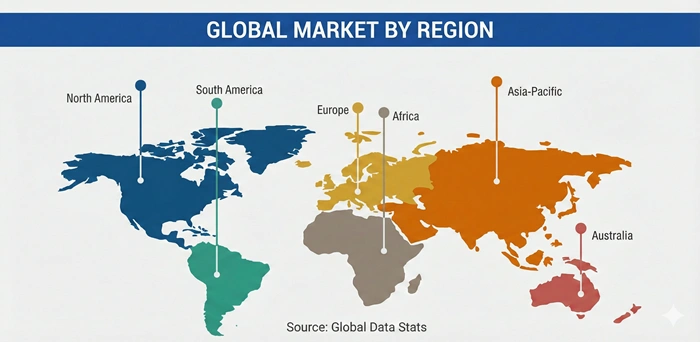
North America maintains commanding leadership in the global AI governance market with approximately 32% share, propelled by the region's stringent regulatory environment, advanced enterprise AI adoption creating immediate governance needs, presence of major technology companies developing cutting-edge AI governance solutions, and sophisticated awareness among enterprises about AI risks and governance requirements. The United States dominates regional consumption with comprehensive AI governance implementations across financial services firms complying with banking regulations, healthcare organizations addressing HIPAA and patient safety concerns, technology companies developing responsible AI frameworks, and government agencies establishing AI ethics and accountability programs. Federal agencies including FTC, CFPB, EEOC, and sector-specific regulators have issued extensive AI guidance and undertaken enforcement actions regarding bias, fairness, and transparency creating compliance imperatives. Major technology companies including Microsoft, Google, IBM, and Amazon headquarters in North America drive governance innovation through internal responsible AI programs and commercial governance platforms serving enterprise customers globally. The region benefits from established governance consulting practices, legal expertise in AI regulations, and active participation in AI ethics research and standards development through academic institutions and industry organizations.
The regional AI governance market exhibits projected CAGR around 34.2% through 2033 as adoption expands from early-adopter financial services and technology sectors into healthcare, retail, manufacturing, and government applications requiring governance frameworks supporting responsible AI deployment at scale. Major enterprises serving North America recognize AI governance as essential capability enabling continued AI innovation while managing regulatory, reputational, and operational risks, with governance platforms becoming standard components of AI infrastructure alongside development tools and deployment platforms. The market demonstrates unique characteristics including strong preference for comprehensive platforms with extensive integration capabilities supporting diverse AI frameworks and deployment environments, emphasis on explainability and transparency capabilities addressing regulatory expectations and stakeholder demands, and sophisticated risk-based approaches prioritizing governance efforts on highest-risk AI systems. Regional opportunities continue expanding as state-level AI regulations create additional compliance requirements, generative AI adoption across industries generates new governance challenges requiring specialized solutions, and industry-specific regulations in healthcare, financial services, and employment create targeted governance needs. Private sector leadership in AI governance complements regulatory efforts as companies establish internal governance frameworks often exceeding regulatory minimums driven by ethical commitments, brand protection concerns, and competitive differentiation through responsible AI practices.
Asia-Pacific
Rapid AI Adoption and Government Digital Initiatives Drive Fastest Regional Growth
Asia-Pacific emerges as the fastest-growing regional market for AI governance with projected CAGR exceeding 37.5% through 2033, driven by explosive AI adoption across China, India, Japan, South Korea, and Southeast Asian nations, governments implementing AI regulations and digital governance frameworks, technology sector expansion creating domestic governance solution providers, and growing recognition that governance enables sustainable AI scaling supporting economic development objectives. China dominates regional activity with extensive AI deployments across e-commerce platforms, fintech services, smart city initiatives, and manufacturing automation, while government regulations including algorithmic recommendations management and generative AI requirements create immediate governance obligations. India represents enormous growth potential as technology sector expands AI capabilities, government promotes AI adoption through national strategies, and emerging data protection regulations including Digital Personal Data Protection Act create governance requirements. Japan demonstrates sophisticated AI governance awareness through government AI principles and corporate responsible AI programs, while South Korea and Singapore lead regional AI governance policy development.
The regional market demonstrates approximately 30% global consumption characterized by rapid adoption growth as enterprises recognize governance as enabler rather than barrier to AI deployment, with frameworks supporting compliant innovation and risk management. Leading international companies including IBM, Microsoft, and SAP maintain strong regional presence alongside emerging domestic providers including NEC Corporation in Japan offering AI governance integrated with transparency and fairness commitments, and Fractal Analytics in India emphasizing governance for regulatory compliance. The market exhibits unique characteristics including particularly strong government involvement in AI governance policy development and standards setting, growing emphasis on AI sovereignty and data localization affecting governance architectures, and diverse maturity levels with developed markets showing sophisticated governance adoption while emerging markets demonstrate explosive growth from smaller bases. Regional opportunities continue expanding as smart city projects deploy AI requiring public sector governance frameworks, manufacturing sector implements AI for automation and quality control needing operational governance, and financial services digital transformation incorporates AI demanding regulatory compliance capabilities. Cross-border data flows and regional trade agreements create governance challenges and opportunities as companies operating across multiple Asia-Pacific markets require governance platforms supporting diverse regulatory requirements and enabling consistent AI practices across geographic footprints.
Top Key Players
-
IBM Corporation (United States)
-
Microsoft Corporation (United States)
-
Google LLC (United States)
-
SAS Institute Inc (United States)
-
SAP SE (Germany)
-
FICO (United States)
-
Salesforce Inc (United States)
-
Dataiku (United States)
-
Fiddler AI (United States)
-
Arthur AI (United States)
-
Weights & Biases (United States)
-
Credo AI (United States)
-
H2O.ai (United States)
-
DataRobot (United States)
-
Databricks Inc (United States)
Recent Developments
-
January 2025: World Economic Forum released Blueprint of Intelligent Economies planning regional AI activation deploying context-aware governance networks, with Regional AI Activation Networks launching in Southeast Asia, Africa, and Middle East supporting responsible AI development through collaborative governance frameworks addressing local contexts, regulatory environments, and societal values while promoting international cooperation on AI ethics and standards development.
-
2024: Microsoft expanded Responsible AI capabilities across Azure AI platform integrating governance tools directly into development workflows, with enhanced model monitoring, bias detection, and explainability features enabling developers to identify and address potential issues during development rather than after deployment, while Azure AI Content Safety provides content moderation capabilities for generative AI applications helping customers manage risks associated with large language model deployments.
-
2024: IBM launched watsonx.governance platform providing comprehensive AI governance capabilities including model monitoring, bias detection, drift analysis, and compliance documentation integrated with watsonx AI development platform, enabling organizations to govern AI throughout complete lifecycle from development through production deployment with automated policy enforcement, continuous monitoring, and comprehensive audit trails supporting regulatory compliance and stakeholder transparency requirements.
-
2024: Google Cloud enhanced Vertex AI platform with responsible AI toolkit including model cards for documentation, explainable AI features, fairness indicators, and continuous evaluation capabilities, while releasing generative AI responsible AI guidance helping customers implement governance frameworks for large language models addressing unique challenges including hallucination monitoring, content filtering, and copyright risk management supporting responsible enterprise generative AI adoption.
-
2023: Major technology companies including Microsoft, Google, Amazon, and IBM jointly supported development of AI governance standards through participation in industry organizations and standards bodies, contributing to frameworks including ISO/IEC AI standards, NIST AI Risk Management Framework, and IEEE Ethics standards providing common vocabularies, assessment methodologies, and best practices enabling consistent governance approaches across organizations and facilitating regulatory compliance.
Market Trends
Integration of Governance into AI Development Lifecycles and Platform Consolidation
The AI governance market is experiencing fundamental transformation as governance capabilities are increasingly embedded directly into AI development platforms and MLOps tools rather than implemented as separate overlay systems, reducing friction and enabling governance by design rather than governance as afterthought. Modern AI platforms from vendors including Databricks, DataRobot, H2O.ai, and cloud providers integrate governance features including model documentation, bias testing, explainability, and monitoring directly into development workflows where data scientists naturally interact with them rather than requiring separate governance tools and processes. This integration enables automated governance checkpoints throughout development lifecycle, with policies enforcing required testing before models advance to production, documentation automatically generated from development artifacts, and approval workflows embedded in deployment pipelines ensuring governance reviews occur before models reach production environments. Continuous integration and deployment practices common in software development are extending to AI with governance gates incorporated into CI/CD pipelines preventing models failing governance criteria from deploying automatically, creating technical controls complementing procedural governance requirements. This trend democratizes governance making it accessible to broader developer populations rather than requiring specialized governance expertise, while improving governance effectiveness through automation reducing reliance on manual reviews vulnerable to oversights.
Platform consolidation is reshaping market structures as established enterprise software vendors acquire specialized AI governance companies and integrate governance capabilities into broader technology portfolios, while AI platform providers expand beyond model development into governance creating comprehensive solutions spanning complete AI lifecycles. Major acquisitions and partnerships indicate this trend including enterprise software companies purchasing governance startups to enhance AI offerings, cloud providers partnering with governance specialists to provide integrated solutions, and AI development platform vendors building native governance capabilities reducing need for third-party tools. The AI governance market witnesses increasing collaboration between governance solution providers and model development frameworks with vendors ensuring governance tools support popular AI libraries and frameworks including TensorFlow, PyTorch, and scikit-learn through native integrations rather than requiring custom development. This consolidation creates both opportunities and challenges for independent governance vendors as integration with platforms provides market access and credibility while platform vendors developing competing internal capabilities threatens independent provider differentiation. Market fragmentation continues with dozens of point solutions addressing specific governance capabilities including bias detection, explainability, monitoring, and documentation, though pressure is increasing for vendors to provide more comprehensive capabilities or establish clear integration ecosystems enabling best-of-breed approaches where organizations combine multiple specialized solutions into unified governance architectures.
Segments Covered in the Report
By Component:
-
Software
-
Model Monitoring Platforms
-
Bias Detection Tools
-
Explainability Solutions
-
Compliance Management Systems
-
Model Documentation Tools
-
-
Services
-
Consulting and Advisory
-
Implementation and Integration
-
Training and Education
-
Managed Services
-
By Deployment Mode:
-
Cloud-Based
-
Public Cloud
-
Private Cloud
-
Hybrid Cloud
-
-
On-Premise
By Organization Size:
-
Large Enterprises
-
Small and Medium Enterprises
By End-User:
-
BFSI
-
Banking
-
Insurance
-
Financial Services
-
-
Healthcare
-
Hospitals
-
Pharmaceuticals
-
Medical Devices
-
-
IT and Telecom
-
Retail
-
E-Commerce
-
Traditional Retail
-
-
Government
-
Federal
-
State and Local
-
-
Manufacturing
-
Others
-
Energy and Utilities
-
Transportation
-
Education
-
By Region:
-
North America
-
United States
-
Canada
-
Mexico
-
-
Europe
-
United Kingdom
-
Germany
-
France
-
Italy
-
Spain
-
Rest of Europe
-
-
Asia-Pacific
-
China
-
India
-
Japan
-
South Korea
-
Singapore
-
Australia
-
Rest of Asia-Pacific
-
-
Latin America
-
Brazil
-
Argentina
-
Rest of Latin America
-
-
Middle East and Africa
-
UAE
-
Saudi Arabia
-
South Africa
-
Rest of Middle East and Africa
-
Frequently Asked Questions
Question 1: What is the projected size of the AI governance market by 2033?
Answer: The global AI governance market is expected to reach approximately USD 3590.2 million by 2033, growing from USD 419.15 million in 2026. This substantial expansion reflects accelerating enterprise AI adoption requiring systematic governance, proliferating AI regulations worldwide mandating compliance frameworks, and growing stakeholder demands for responsible AI practices demonstrating transparency, fairness, and accountability throughout AI lifecycles.
Question 2: Which region currently dominates the AI governance market?
Answer: North America leads the global AI governance market with approximately 32% market share, driven by stringent regulatory environment with extensive AI guidance from federal agencies, advanced enterprise AI adoption creating immediate governance needs, and presence of major technology companies developing sophisticated governance solutions. The region benefits from mature risk management practices and substantial compliance investments supporting comprehensive AI governance program implementations.
Question 3: What are the primary drivers of AI governance market growth?
Answer: The AI governance market growth is primarily driven by proliferating AI regulations worldwide requiring compliance frameworks, escalating model complexity and deployment scale demanding systematic oversight, high-profile AI failures creating risk management imperatives, and increasing stakeholder demands for ethical AI practices. Growing recognition that governance enables responsible AI scaling while managing regulatory, reputational, and operational risks further accelerates adoption across industries.
Question 4: Which component holds the largest share in the AI governance market?
Answer: Software represents the dominant component segment accounting for approximately 66% of the global AI governance market. This leadership reflects organizations' fundamental need for comprehensive platforms providing model monitoring, bias detection, explainability, compliance management, and documentation capabilities enabling end-to-end governance throughout AI lifecycles from development through production deployment and ongoing monitoring of deployed systems.
Question 5: What is the expected CAGR for the AI governance market from 2026 to 2033?
Answer: The AI governance market is projected to grow at a CAGR of 35.40% from 2026 to 2033. This robust growth rate reflects sustained expansion driven by enterprise AI adoption transitioning from pilots to production at scale, continuous regulatory evolution creating additional compliance requirements, generative AI proliferation introducing novel governance challenges, and platform maturation making governance more accessible and integrated with development workflows supporting broader adoption.