
Aesthetic Injectables Market Overview
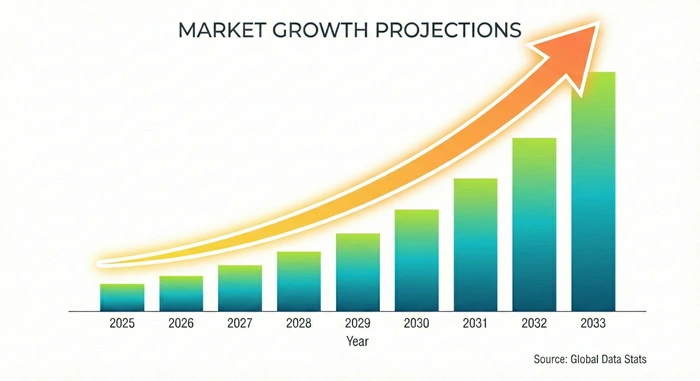
The global aesthetic injectables market size is valued at USD 14.89 billion in 2025 and is predicted to increase from USD 16.30 billion in 2026 to approximately USD 35.22 billion by 2033, growing at a CAGR of 9.14% from 2026 to 2033.
Aesthetic injectables encompass minimally invasive cosmetic treatments utilizing pharmaceutical formulations delivered through subcutaneous or intradermal injections to address visible signs of aging, enhance facial features, and improve skin quality. These sophisticated medical devices include botulinum toxin products temporarily relaxing facial muscles to smooth dynamic wrinkles, hyaluronic acid-based dermal fillers restoring facial volume and correcting contour deficiencies, and biostimulatory agents promoting natural collagen production for gradual skin rejuvenation. The industry serves diverse patient demographics seeking non-surgical aesthetic enhancement across dermatology clinics, medical spas, plastic surgery practices, and specialized aesthetic centers worldwide, delivering immediate visible results with minimal recovery time compared to traditional surgical interventions.

AI Impact on the Aesthetic Injectables Industry
Revolutionizing Treatment Planning and Injection Precision Through Advanced Facial Analysis and Augmented Reality Systems
Artificial intelligence transforms the aesthetic injectables market by introducing sophisticated facial analysis platforms that map patient anatomy with unprecedented accuracy, identifying asymmetries, volume deficiencies, and optimal injection points personalized to individual facial structures. Machine learning algorithms process thousands of before-and-after treatment images to predict aesthetic outcomes based on specific product selections, injection techniques, and dosage protocols, enabling practitioners to visualize expected results during consultation phases and adjust treatment plans accordingly. AI-powered systems analyze facial proportions using mathematical ratios like golden ratio calculations, suggesting injection sites and volumes that enhance natural beauty while maintaining harmonious facial balance aligned with contemporary aesthetic ideals. These technological innovations empower aesthetic providers with data-driven insights complementing clinical expertise, reducing subjective judgment variability and standardizing treatment quality across diverse practitioner skill levels.
Virtual reality training platforms leveraging artificial intelligence provide immersive educational experiences where practitioners rehearse injection techniques on anatomically accurate digital models, receiving real-time feedback on needle placement depth, injection speed, and product distribution patterns. The aesthetic injectables market benefits from AI-enhanced patient engagement tools including mobile applications that simulate treatment outcomes through augmented reality face filters, allowing prospective patients to preview appearance changes before committing to procedures, thereby improving informed consent processes and managing realistic expectations. Predictive analytics assess complication risks by analyzing patient medical histories, previous treatment responses, and anatomical characteristics, alerting providers to potential adverse event susceptibilities requiring modified treatment approaches or additional safety precautions. Natural language processing technologies analyze social media discussions, patient reviews, and online forums to identify emerging aesthetic trends, popular treatment combinations, and patient satisfaction drivers informing product development priorities and marketing strategies throughout the competitive landscape.
Growth Factors
Rising Aesthetic Awareness and Social Media Influence Drive Robust Aesthetic Injectables Market Expansion Across Global Demographics
The aesthetic injectables market experiences accelerated growth propelled by fundamental shifts in societal attitudes toward cosmetic enhancement procedures, with treatments increasingly perceived as routine self-care investments rather than vanity-driven luxuries restricted to entertainment industry professionals or wealthy demographics. Social media platforms including Instagram, TikTok, and YouTube fundamentally reshape beauty culture by exposing diverse populations to aesthetic possibilities through influencer content, practitioner educational videos, and patient testimonial documentation that normalizes injectable treatments while demystifying procedural experiences. Celebrity endorsements and transparent discussions about aesthetic procedures by public figures reduce historical stigma, encouraging broader demographic participation across age groups, genders, and cultural backgrounds previously hesitant regarding cosmetic interventions. The market gains tremendous momentum from younger consumer segments embracing preventative aesthetic approaches, seeking botulinum toxin treatments in their twenties and thirties to delay wrinkle formation rather than waiting until advanced aging signs necessitate more aggressive correction strategies.
Healthcare provider enthusiasm for injectable practices stems from attractive economic models offering higher profit margins compared to traditional medical services, predictable patient retention through repeat treatment cycles, and expanding service portfolios differentiating competitive practices within crowded healthcare markets. The aesthetic injectables market benefits from continuous product innovation delivering improved formulations with extended longevity, enhanced safety profiles, reduced injection discomfort through finer needles and lidocaine incorporation, and natural-looking results reflecting contemporary preferences for subtle enhancements over dramatic transformations. Rising disposable incomes throughout emerging economies enable broader population segments to afford aesthetic procedures previously financially inaccessible, while medical tourism destinations offer quality treatments at reduced costs attracting international patients seeking value-driven cosmetic enhancement opportunities. Regulatory approvals for innovative products incorporating novel technologies including proprietary cross-linking methodologies, unique particle suspension systems, and advanced manufacturing processes expand clinical applications beyond traditional aesthetic indications into therapeutic territories addressing conditions like hyperhidrosis, migraines, and facial asymmetry correction.
Market Outlook
Strategic Innovation and Market Consolidation Shape Promising Aesthetic Injectables Market Trajectory Through Decade
The aesthetic injectables market outlook reflects optimistic projections supported by sustained consumer demand for minimally invasive aesthetic solutions, continuous technological advancement delivering superior product characteristics, and expanding global acceptance of cosmetic procedures as normalized healthcare services. Pharmaceutical and biotechnology companies invest substantially in research activities developing next-generation injectable formulations with extended duration exceeding current standard longevity benchmarks, reduced immunogenicity minimizing allergic reaction risks, and enhanced rheological properties enabling precise placement and natural tissue integration. Market dynamics increasingly favor combination treatment protocols where injectable therapies complement energy-based devices, chemical peels, and medical-grade skincare regimens as integrated components of comprehensive facial rejuvenation strategies delivered through sophisticated aesthetic practice models.
The industry witnesses consolidation trends as larger healthcare organizations acquire independent dermatology clinics and medical spas, creating multi-location platforms leveraging economies of scale for product procurement, standardized treatment protocols, and centralized marketing initiatives generating patient volume growth. The aesthetic injectables market adapts to evolving regulatory landscapes emphasizing safety monitoring through enhanced pharmacovigilance requirements, mandatory practitioner qualification standards, and transparent patient communication protocols regarding potential risks and realistic outcome expectations. Digital health integration including telemedicine aesthetic consultations, virtual treatment planning sessions, and online booking platforms enhances patient convenience while reducing operational barriers for practices serving geographically dispersed clientele seeking expert providers regardless of physical location. Sustainability considerations influence product development as environmentally conscious consumers and regulatory agencies encourage biodegradable packaging, ethically sourced ingredients, and responsible manufacturing practices throughout supply chains spanning raw material procurement through final product distribution.
Expert Speaks
-
Carrie Strom, Global President of Allergan Aesthetics and Senior Vice President of AbbVie, emphasized the company's commitment to understanding and supporting evolving consumer needs through evidence-based innovation, stating that delivering on patient expectations requires expertise from providers and continued investment in training and research offering treatments reflecting individual aesthetic goals while maintaining leadership across the comprehensive facial injectable portfolio.
-
Flemming Ørnskov, CEO of Galderma Group, highlighted that hyaluronic acid remains a cornerstone of aesthetic medicine with rising expectations around natural and long-lasting results, emphasizing the company's commitment to innovation through next-generation technologies like NASHA HD supporting safe and effective treatments while delivering record financial performance with 9.3 percent year-on-year growth demonstrating continued market leadership.
-
Richard Gonzalez, Chairman and CEO of AbbVie, described the Allergan acquisition as transformational for the company, establishing a dedicated Allergan Aesthetics division with specialized leadership, research functions, and global operations headquartered in California, positioning AbbVie as a dominant force across multiple therapeutic areas while maintaining strategic focus on aesthetic medicine innovation and market expansion.
Key Report Takeaways
-
North America leads the aesthetic injectables market with approximately 44 percent regional share, driven by high consumer awareness regarding aesthetic procedures, established medical spa infrastructure, strong disposable income levels, comprehensive practitioner training programs, and widespread social acceptance of minimally invasive cosmetic treatments across diverse demographic segments seeking facial rejuvenation and enhancement solutions.
-
Asia-Pacific demonstrates the fastest growth trajectory in the aesthetic injectables market, expanding at a CAGR of approximately 10.2 percent, propelled by rapidly developing economies including China, South Korea, Japan, and Thailand where westernization of beauty standards, rising middle-class populations, increasing disposable incomes, expanding aesthetic clinic networks, and growing social media influence create favorable conditions for accelerated market penetration.
-
Dermatology clinics represent the largest end-user segment consuming aesthetic injectable products with approximately 47 percent market share, as specialized dermatological practices possess necessary medical expertise, established patient relationships, comprehensive aesthetic service offerings, and appropriate clinical settings for performing injectable procedures safely while managing potential complications through professional medical oversight and emergency preparedness capabilities.
-
Botulinum toxin contributes the most substantial product segment share at approximately 46 percent, driven by established clinical acceptance for treating dynamic facial wrinkles including forehead lines, crow's feet, and glabellar frown lines, with products like Botox, Dysport, and Xeomin demonstrating consistent efficacy, predictable results, and favorable safety profiles supporting widespread practitioner adoption and patient satisfaction.
-
Facial wrinkle reduction dominates application categories as the most popular indication for aesthetic injectable usage, accounting for approximately 52 percent market share, based on universal consumer concerns regarding visible aging signs, social acceptance of wrinkle treatment procedures, proven treatment effectiveness delivering immediate visible improvements, and strong patient satisfaction outcomes encouraging repeat treatments and peer referrals.
-
The medical spa end-user segment will experience rapid future growth through 2033, expanding at a CAGR of approximately 10.8 percent and capturing increasing market share percentage as these hybrid facilities combine medical expertise with spa-like environments, appeal to comfort-seeking patients, offer comprehensive aesthetic service menus, and leverage effective marketing strategies attracting younger demographics comfortable with cosmetic enhancement integration into wellness routines.
Market Scope
| Report Coverage Details | |
|---|---|
| Market Size by 2033 | USD 35.22 Billion |
| Market Size by 2025 | USD 14.89 Billion |
| Market Size by 2026 | USD 16.30 Billion |
| Market Growth Rate from 2026 to 2033 | CAGR of 9.14% |
| Dominating Region | North America |
| Fastest Growing Region | Asia-Pacific |
| Base Year | 2025 |
| Forecast Period | 2026 to 2033 |
| Segments Covered | By Product Type, By Application, By End-User, By Gender, By Region |
| Regions Covered | North America, Europe, Asia-Pacific, Latin America, Middle East & Africa |
Market Dynamics
Drivers Impact Analysis
Escalating Aesthetic Consciousness and Minimally Invasive Procedure Preferences Propel Sustained Aesthetic Injectables Market Momentum
The aesthetic injectables market benefits tremendously from evolving beauty standards emphasizing natural-looking enhancements rather than dramatic surgical alterations, particularly among millennial and Generation Z consumers who prioritize subtle improvements integrated into preventative skincare routines starting earlier than previous generations. Social media fundamentally influences consumer attitudes by normalizing cosmetic procedures through influencer endorsements, practitioner educational content, and patient testimonial videos documenting real-world treatment experiences and outcomes across platforms reaching billions of users globally. Celebrity transparency regarding aesthetic treatments reduces historical stigma, with public figures openly discussing their procedures rather than maintaining secrecy, encouraging broader demographic participation across age groups, genders, and cultural backgrounds previously resistant to cosmetic interventions. The market gains momentum from aging baby boomer populations seeking appearance maintenance compatible with active lifestyles, professional longevity, and personal confidence, creating sustained demand from established demographic cohorts transitioning into retirement years while maintaining youthful appearances.
Patient preference for minimally invasive treatments over surgical facelifts, blepharoplasty, and rhinoplasty procedures drives substantial aesthetic injectables market adoption, as injectable options offer immediate results, minimal downtime enabling rapid return to normal activities, lower complication risks, reversibility advantages for certain products, and cost accessibility compared to surgical alternatives requiring hospital facilities, anesthesia, and extended recovery periods. Technological innovations deliver improved product formulations with extended longevity approaching 12 to 24 months for certain dermal fillers, reduced bruising and swelling through refined manufacturing processes, enhanced safety profiles minimizing allergic reaction risks, and superior aesthetic outcomes reflecting natural tissue characteristics. The aesthetic injectables market expands through diversifying applications beyond traditional wrinkle correction into areas including lip augmentation, cheek enhancement, jawline contouring, non-surgical nose reshaping, hand rejuvenation, and intimate aesthetic treatments addressing previously underserved cosmetic concerns. Healthcare provider recommendations endorsing injectable treatments based on proven efficacy, favorable risk-benefit profiles, high patient satisfaction rates, and comprehensive clinical evidence spanning decades influence patient decision-making while establishing injectables as gold-standard aesthetic interventions.
| Driver Factor | ≈ Impact on CAGR Forecast | Geographic Relevance | Impact Timeline |
|---|---|---|---|
| Social media influence and aesthetic normalization | +2.2% to +2.8% | Global, particularly strong in North America and Asia-Pacific | Immediate and ongoing |
| Aging population demographics seeking rejuvenation | +1.8% to +2.4% | Primarily Europe, North America, developed Asia | Immediate and long-term |
| Patient preference for minimally invasive procedures | +1.4% to +1.8% | Global markets across all regions | Immediate and ongoing |
| Product innovation and safety improvements | +1.0% to +1.4% | Developed markets with advanced healthcare | Medium-term |
Restraints Impact Analysis
Safety Concerns and High Treatment Costs Moderate Aesthetic Injectables Market Growth Expectations Across Segments
The aesthetic injectables market confronts significant challenges from documented adverse events including vascular occlusion, tissue necrosis, granuloma formation, product migration, and aesthetic asymmetries generating negative publicity through social media amplification and mainstream media coverage of problematic outcomes requiring corrective interventions. Healthcare regulatory agencies worldwide implement stricter oversight including enhanced post-market surveillance requirements, mandatory adverse event reporting systems, practitioner qualification standards, and patient education mandates increasing compliance burdens for manufacturers and service providers while potentially limiting market accessibility. Safety concerns particularly affect dermal filler procedures requiring precise anatomical knowledge to avoid intravascular injection into facial arteries supplying critical structures, with catastrophic complications including blindness and stroke documented in medical literature creating practitioner anxiety and patient fear deterring treatment adoption despite rare occurrence rates. The market experiences headwinds from highly publicized cases of unqualified practitioners performing injectable procedures outside appropriate medical settings, resulting in serious complications eroding consumer confidence and prompting calls for enhanced regulatory restrictions limiting practice scope to licensed medical professionals.
Economic considerations constrain aesthetic injectables market expansion as procedures typically lack insurance coverage requiring patients to pay full treatment costs from discretionary income fluctuating with economic cycles, employment stability, and competing financial priorities. High initial treatment costs combined with maintenance requirements for sustained results create affordability barriers for middle-income demographics interested in aesthetic procedures but unable to justify repeated expenditures ranging from hundreds to thousands of dollars per treatment session with multiple annual visits recommended. The aesthetic injectables market faces competitive pressure from alternative rejuvenation approaches including advanced skincare products incorporating retinoids and growth factors, energy-based devices delivering collagen remodeling through radiofrequency or ultrasound, thread lifting procedures providing mechanical tissue repositioning, and surgical interventions offering permanent corrections for severe aging concerns. Cultural attitudes in certain geographic regions stigmatize cosmetic enhancement as artificial, vain, or indicative of insecurity, limiting market penetration in conservative societies where natural aging acceptance prevails over aesthetic modification pursuits despite growing globalization influences.
| Restraint Factor | ≈ Impact on CAGR Forecast | Geographic Relevance | Impact Timeline |
|---|---|---|---|
| Safety concerns and adverse event publicity | -0.9% to -1.3% | Global, particularly impactful in regulated markets | Immediate and ongoing |
| High treatment costs and limited insurance coverage | -0.7% to -1.1% | Strongest in price-sensitive emerging markets | Immediate and ongoing |
| Competitive pressure from alternative treatments | -0.5% to -0.8% | Developed markets with multiple aesthetic options | Medium-term |
| Cultural stigma and regulatory restrictions | -0.4% to -0.7% | Varies significantly by country and culture | Long-term |
Opportunities Impact Analysis
Emerging Markets and Male Demographics Create Substantial Aesthetic Injectables Market Expansion Potential
The aesthetic injectables market presents compelling opportunities through geographic expansion into rapidly developing regions across Asia-Pacific, Latin America, Middle East, and Africa where economic growth, urbanization, westernizing beauty standards, and expanding middle-class populations create favorable conditions for aesthetic medicine adoption. Countries including China, India, Brazil, Mexico, UAE, and Saudi Arabia demonstrate particularly strong growth potential based on large population bases, rising per capita incomes, increasing international travel exposure influencing aesthetic preferences, and government initiatives supporting medical tourism attracting foreign patients seeking quality cosmetic procedures at competitive prices. Healthcare infrastructure development includes proliferation of private dermatology clinics, medical spas, and aesthetic centers equipped with modern facilities and staffed by internationally trained practitioners capable of delivering sophisticated injectable treatments meeting global quality standards.
Male consumer segment expansion represents significant aesthetic injectables market opportunity as growing numbers of men seek subtle enhancements including wrinkle reduction, jawline definition, and facial volume restoration through strategically placed injections maintaining masculine appearance characteristics. Research initiatives focused on novel product formulations incorporating advanced technologies including longer-acting botulinum toxin variants, innovative hyaluronic acid cross-linking methodologies, biostimulatory collagen inducers, and combination products addressing multiple aesthetic concerns through single treatment sessions. The aesthetic injectables market benefits from digital health integration including telemedicine consultations enabling virtual treatment planning, augmented reality simulation tools visualizing expected outcomes, online booking platforms simplifying appointment scheduling, and remote follow-up monitoring assessing treatment results without requiring office visits. Strategic partnerships between pharmaceutical manufacturers, aesthetic device companies, training organizations, and healthcare service platforms create synergistic relationships accelerating market penetration through coordinated marketing, comprehensive practitioner education, bundled product offerings, and integrated treatment protocols optimizing patient outcomes while building brand loyalty.
| Opportunity Factor | ≈ Impact on CAGR Forecast | Geographic Relevance | Impact Timeline |
|---|---|---|---|
| Emerging market expansion and healthcare development | +1.8% to +2.4% | Asia-Pacific, Latin America, Middle East | Short to medium-term |
| Male consumer segment growth | +1.2% to +1.6% | Global, particularly Western markets | Short to medium-term |
| Novel formulation development and innovation | +0.9% to +1.3% | Developed markets with R&D capabilities | Medium to long-term |
| Digital health integration and telemedicine | +0.7% to +1.1% | Global, especially technology-enabled regions | Short to medium-term |
Segment Analysis
By Product Type - Botulinum Toxin
Established Clinical Evidence and Versatile Applications Establish Botulinum Toxin as Dominant Aesthetic Injectables Market Segment
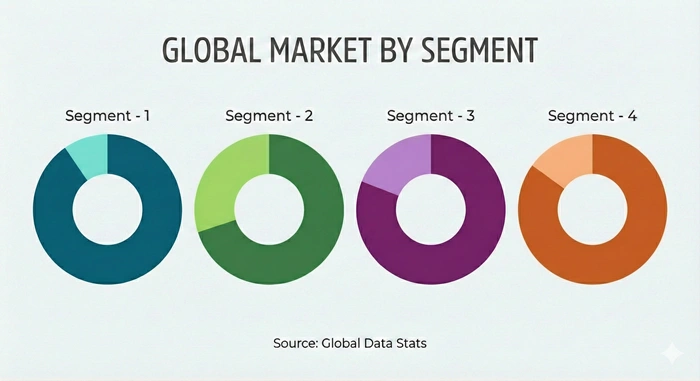
Botulinum toxin commands approximately 46 percent of the aesthetic injectables market share, expanding at a steady CAGR of 8.9 percent throughout the forecast period as these neuromodulator products demonstrate proven efficacy for treating dynamic facial wrinkles formed by repetitive muscle contractions including forehead lines, crow's feet around eyes, and glabellar frown lines between eyebrows. Healthcare professionals appreciate botulinum toxin's predictable mechanism temporarily blocking nerve signals to targeted facial muscles, producing visible smoothing effects within days following treatment with results lasting three to four months requiring repeat procedures maintaining optimal appearance. The segment benefits from extensive clinical evidence accumulated over three decades since initial Botox approval for cosmetic use, with comprehensive safety data supporting efficacy across diverse patient populations, skin types, and age demographics from prevention-focused young adults to correction-seeking mature patients. Brand recognition particularly favors market leader Botox commanding substantial market share, though competitive products including Dysport, Xeomin, Jeuveau, and emerging alternatives capture growing portions through pricing strategies, practitioner preferences, and differentiated product characteristics.
North America maintains dominant botulinum toxin consumption within the aesthetic injectables market, supported by high consumer awareness, established treatment acceptance, comprehensive practitioner training programs, and widespread availability across dermatology offices, medical spas, and plastic surgery practices. Asia-Pacific demonstrates the fastest regional growth for botulinum toxin treatments, driven by beauty-conscious populations in South Korea, Japan, China, and Thailand where aesthetic procedures achieve mainstream acceptance and younger demographics embrace preventative treatments earlier than Western counterparts. Leading manufacturers serving the botulinum toxin segment include AbbVie Inc. through Allergan Aesthetics division offering Botox Cosmetic with dominant global market position, Galderma Group providing Dysport with competitive differentiation, Merz Pharma supplying Xeomin as purified neurotoxin formulation, and Evolus Inc. marketing Jeuveau targeting millennial demographics through innovative branding strategies. The segment benefits from expanding therapeutic applications beyond aesthetic indications including FDA-approved treatments for chronic migraines, excessive sweating, overactive bladder, and various movement disorders, creating cross-indication awareness supporting cosmetic adoption while diversifying revenue streams for manufacturers across medical specialties.
By End-User - Dermatology Clinics
Specialized Medical Expertise and Comprehensive Service Offerings Position Dermatology Clinics as Primary Aesthetic Injectables Market Channel
Dermatology clinics account for approximately 47 percent of the aesthetic injectables market consumption, growing at a CAGR of 9.2 percent as these specialized medical facilities provide optimal environments for performing injectable aesthetic procedures under supervision of board-certified dermatologists possessing comprehensive facial anatomy knowledge, skin physiology expertise, and complication management capabilities. Patients preferentially seek injectable treatments through dermatology practices due to physician credentials, established patient relationships developed through ongoing dermatological care for medical skin conditions, professional credibility, and perception of enhanced safety compared to non-medical spa environments. The segment encompasses both independent dermatology practices and multi-specialty clinics integrating dermatology, plastic surgery, and aesthetic medicine services within comprehensive facilities offering diverse treatment modalities for facial rejuvenation and skin enhancement. Dermatology clinics leverage medical-grade facilities, sterile procedure environments, emergency preparedness capabilities, and immediate access to advanced treatments for managing potential complications including vascular occlusion requiring hyaluronidase administration or other urgent interventions.
North America maintains the largest dermatology clinic segment share for the aesthetic injectables market, supported by extensive networks of aesthetic dermatology practices throughout the United States and Canada where cosmetic procedures generate substantial revenue proportions alongside medical dermatology services treating skin diseases, cancers, and inflammatory conditions. Europe demonstrates strong dermatology clinic utilization for injectable treatments, particularly in countries including Germany, France, United Kingdom, and Italy where aesthetic medicine integrates within dermatological specialty practice standards. Major aesthetic injectable manufacturers including AbbVie through Allergan Aesthetics, Galderma Group, Merz Pharma, and Sinclair Pharma maintain dedicated sales forces targeting dermatology practices with product education, injection technique training, practice marketing support, and preferential pricing programs incentivizing product loyalty and volume commitments. The segment benefits from ongoing consolidation trends as private equity firms and healthcare organizations acquire independent dermatology practices, creating multi-location platforms standardizing treatment protocols, centralizing product procurement, and implementing coordinated marketing campaigns driving patient volume growth across affiliated clinic networks serving expanding geographic territories with consistent service quality and brand recognition.
Regional Insights
North America
Advanced Healthcare Infrastructure and Strong Consumer Demand Establish North America as Dominant Aesthetic Injectables Market Leader
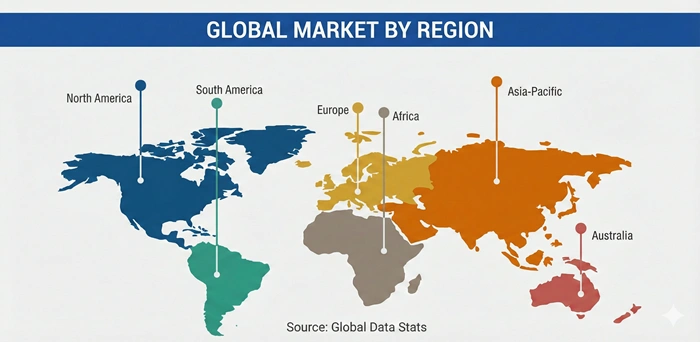
North America commands approximately 44 percent of the global aesthetic injectables market share, expanding at a CAGR of 8.8 percent from 2026 to 2033, driven by highly developed aesthetic medicine infrastructure, strong consumer purchasing power, widespread social acceptance of cosmetic procedures, and sophisticated marketing ecosystems promoting injectable treatments across diverse media channels. The region benefits from extensive networks of dermatology clinics, medical spas, plastic surgery practices, and aesthetic centers staffed by internationally recognized practitioners trained in advanced injection techniques and comprehensive facial analysis methodologies. United States represents the dominant country market within North America, consuming substantial injectable volumes through major metropolitan areas including New York, Los Angeles, Miami, Dallas, and Chicago where concentrated affluent populations prioritize appearance maintenance and readily adopt innovative aesthetic technologies. Healthcare consumers across North America demonstrate high awareness regarding available treatment options through exposure to direct-to-consumer advertising, social media influencer content, and mainstream media coverage normalizing cosmetic enhancement procedures as routine self-care investments.
The North American aesthetic injectables market features leading manufacturers including AbbVie Inc. operating through Allergan Aesthetics division with comprehensive product portfolios including Botox, Juvederm collection, and specialized treatments, Galderma Group offering Dysport neuromodulator and Restylane filler range, Merz Pharma providing Xeomin and Belotero products, and numerous emerging companies including Evolus Inc. with Jeuveau targeting younger demographics through innovative marketing approaches. Regulatory oversight through the FDA establishes rigorous approval standards ensuring product safety and efficacy while providing consumer confidence supporting market growth, although regulatory requirements create barriers for new entrants lacking resources for extensive clinical trials and regulatory submissions. The region demonstrates concerning trends of unqualified practitioners performing injectable procedures outside appropriate medical supervision, prompting regulatory discussions regarding scope of practice restrictions and mandatory training requirements protecting patient safety. Market dynamics reflect competitive intensity among established brands, continuous product innovation cycles, sophisticated practitioner education programs, and evolving consumer preferences favoring natural-looking results over dramatic transformations characterizing earlier aesthetic medicine eras when surgical interventions dominated cosmetic enhancement paradigms.
Asia-Pacific
Rapid Economic Development and Westernizing Beauty Standards Position Asia-Pacific as Fastest Growing Aesthetic Injectables Market
Asia-Pacific demonstrates the fastest aesthetic injectables market growth trajectory, expanding at a CAGR of 10.2 percent from 2026 to 2033, propelled by robust economic development across China, India, South Korea, Thailand, Japan, and Southeast Asian nations where rising middle-class populations possess increasing disposable incomes allocated toward discretionary spending including aesthetic enhancement procedures. The region experiences fundamental shifts in beauty standards influenced by Western media, international travel, global social media platforms, and entertainment industries popularizing cosmetic procedures among younger demographics seeking facial features aligned with contemporary aesthetic ideals. South Korea maintains particularly strong aesthetic medicine adoption rates with among the highest per-capita consumption of cosmetic procedures globally, creating sophisticated market infrastructure supporting domestic manufacturers and international brands competing intensively within this trendsetting market influencing broader Asian aesthetic preferences. China represents the largest growth opportunity based on population size, rapid economic expansion, increasing urbanization concentrating affluent consumers in major cities, and evolving cultural attitudes toward cosmetic enhancement shifting from traditional stigma toward broader acceptance and normalization especially among younger generations.
The Asia-Pacific aesthetic injectables market features diverse competitive landscapes combining multinational pharmaceutical companies including AbbVie, Galderma, and Merz Pharma establishing regional operations alongside domestic manufacturers like Hugel Inc., Daewoong Pharmaceutical, and numerous Chinese producers supplying local markets with cost-competitive products. Regulatory frameworks vary significantly across countries from highly developed systems in Japan, South Korea, and Singapore to emerging regulatory infrastructures in Southeast Asian and South Asian nations where standards continue evolving toward international harmonization supporting quality assurance and patient safety. Medical tourism significantly impacts the regional market as patients from neighboring countries and Western nations travel to Thailand, South Korea, and Singapore seeking quality aesthetic procedures at prices substantially lower than home country costs, creating specialized clinic networks catering to international clientele with multilingual staff and culturally sensitive service delivery. The region's market outlook remains exceptionally favorable based on continuing economic development, expanding healthcare infrastructure, growing aesthetic medicine acceptance, and increasing integration with global beauty culture through digital connectivity and international brand presence establishing Asia-Pacific as the most dynamic growth region for aesthetic injectable manufacturers pursuing global expansion strategies.
Top Key Players
-
AbbVie Inc. / Allergan Aesthetics (United States)
-
Galderma Group (Switzerland)
-
Merz Pharma GmbH & Co. KGaA (Germany)
-
Sinclair Pharma (United Kingdom)
-
Teoxane Laboratories (Switzerland)
-
Revance Therapeutics Inc. (United States)
-
Evolus Inc. (United States)
-
Hugel Inc. (South Korea)
-
Daewoong Pharmaceutical Co. Ltd. (South Korea)
-
Prollenium Medical Technologies Inc. (Canada)
-
Suneva Medical Inc. (United States)
-
Croma-Pharma GmbH (Austria)
-
Medytox Inc. (South Korea)
-
Allergan plc (Ireland)
-
Integra LifeSciences Holdings Corporation (United States)
Recent Developments
-
AbbVie Inc. / Allergan Aesthetics - 2026: Unveiled new clinical data across facial injectable portfolio and emerging pipeline through poster presentations at IMCAS 2026, demonstrating continued commitment to evidence-based innovation while addressing challenging consumer sentiment in filler categories through strategic product differentiation and enhanced practitioner education programs maintaining competitive leadership positions across global aesthetic medicine markets.
-
Galderma Group - 2024: Achieved record annual performance with net sales reaching 4.410 billion USD representing 9.3 percent year-on-year growth at constant currency, while successfully launching innovative products including Restylane SHAYPE powered by next-generation NASHA HD technology for chin augmentation and presenting comprehensive clinical data at major aesthetic medicine conferences including AMWC demonstrating portfolio leadership.
-
Merz Pharma - 2024: Advanced aesthetic medicine portfolio through continued clinical development programs supporting Xeomin botulinum toxin and Belotero dermal filler franchises, implementing strategic partnerships expanding market access across emerging economies, and investing in practitioner education initiatives supporting evidence-based injection techniques optimizing patient outcomes while maintaining differentiated positioning emphasizing product purity and safety characteristics.
-
Evolus Inc. - 2024: Strengthened market position for Jeuveau neuromodulator through innovative marketing campaigns targeting millennial demographics, expanding distribution partnerships increasing practitioner access, implementing competitive pricing strategies capturing market share from established brands, and advancing clinical development programs supporting additional aesthetic indications broadening approved usage parameters beyond current glabellar line treatment authorization.
-
Revance Therapeutics - 2025: Advanced aesthetic medicine pipeline through continued development of innovative formulations including long-acting botulinum toxin candidates and novel dermal filler technologies, while implementing strategic collaborations with academic institutions and healthcare organizations supporting clinical research activities generating evidence supporting product differentiation and competitive advantages within crowded aesthetic injectable marketplace.
Market Trends
Personalization and Natural Aesthetics Define Contemporary Aesthetic Injectables Market Evolution
The aesthetic injectables market increasingly emphasizes personalized treatment approaches considering individual facial anatomy, ethnic characteristics, aging patterns, and aesthetic goals rather than applying standardized injection protocols across diverse patient populations. Practitioners adopt comprehensive facial assessment methodologies analyzing structural proportions, volume distribution patterns, skin quality characteristics, and dynamic expressions to develop customized treatment plans enhancing natural beauty while avoiding overdone appearances associated with excessive filler usage or frozen expressions from botulinum toxin overtreatment. Combination treatment protocols gain prominence as integrated approaches utilizing botulinum toxin, dermal fillers, biostimulators, energy-based devices, and medical-grade skincare products deliver superior comprehensive rejuvenation outcomes compared to single-modality interventions addressing isolated concerns. The market witnesses growing patient preference for subtle gradual improvements achieved through conservative product volumes and staged treatment sessions rather than dramatic single-session transformations risking unnatural appearances or disproportionate facial features conflicting with contemporary aesthetic preferences favoring authenticity over artificial perfection.
Technological innovations including cannula injection techniques replacing traditional needle methods reduce bruising, swelling, and patient discomfort while enabling broader product distribution through single entry points, alongside advanced cross-linking technologies extending filler longevity and improving tissue integration characteristics. The aesthetic injectables market adapts to evolving consumer demographics as younger patients seeking preventative treatments and male clients requesting masculine-appropriate enhancements require adjusted marketing messages, specialized practitioner training, and tailored product formulations addressing specific anatomical considerations. Sustainability initiatives influence purchasing decisions among environmentally conscious consumers who prefer products utilizing ethically sourced materials, biodegradable packaging, and transparent manufacturing practices minimizing environmental impacts throughout production and distribution processes. Regulatory landscapes continue evolving with enhanced safety monitoring requirements, mandatory practitioner qualifications, and patient education mandates elevating industry professionalism while potentially restricting market accessibility through increased compliance burdens affecting smaller manufacturers and independent practitioners operating with limited administrative resources.
Segments Covered in the Report
By Product Type
-
Botulinum Toxin
-
Dermal Fillers (Hyaluronic Acid, Calcium Hydroxylapatite, Poly-L-Lactic Acid, Others)
-
Collagen Stimulators
-
Others
By Application
-
Facial Wrinkle Reduction
-
Lip Augmentation
-
Facial Volume Restoration
-
Acne Scar Treatment
-
Facial Contouring
-
Others
By End-User
-
Dermatology Clinics
-
Medical Spas
-
Hospitals
-
Cosmetic Surgery Centers
By Gender
-
Female
-
Male
By Region
-
North America (United States, Canada, Mexico)
-
Europe (Germany, United Kingdom, France, Italy, Spain, Rest of Europe)
-
Asia-Pacific (China, India, Japan, South Korea, Thailand, Australia, Rest of Asia-Pacific)
-
Latin America (Brazil, Argentina, Rest of Latin America)
-
Middle East & Africa (UAE, Saudi Arabia, South Africa, Rest of MEA)
Frequently Asked Questions
Question 1: What is the expected aesthetic injectables market size by 2033?
Answer: The global aesthetic injectables market is projected to reach approximately USD 35.22 billion by 2033, growing from USD 16.30 billion in 2026. This substantial expansion reflects increasing consumer demand for minimally invasive aesthetic procedures and continuous product innovation enhancing treatment safety, efficacy, and longevity characteristics.
Question 2: Which region dominates the aesthetic injectables market currently?
Answer: North America dominates the aesthetic injectables market with approximately 44 percent share, driven by advanced healthcare infrastructure and strong consumer purchasing power. The region benefits from extensive aesthetic medicine networks, widespread procedure acceptance, sophisticated marketing ecosystems, and established practitioner training programs supporting optimal treatment delivery.
Question 3: What factors drive aesthetic injectables market growth during the forecast period?
Answer: Social media influence normalizing aesthetic procedures, aging population demographics seeking rejuvenation, patient preference for minimally invasive treatments, and continuous product innovations drive aesthetic injectables market growth. These factors collectively expand consumer demographics, improve treatment accessibility, enhance procedural outcomes, and support consistent adoption across diverse geographic regions and demographic segments.
Question 4: Which product type segment holds the largest aesthetic injectables market share?
Answer: Botulinum toxin represents the largest product segment with approximately 46 percent aesthetic injectables market share based on established clinical efficacy treating dynamic facial wrinkles. Products like Botox, Dysport, and Xeomin demonstrate consistent results, predictable outcomes, favorable safety profiles, and extensive clinical evidence supporting widespread practitioner adoption and strong patient satisfaction.
Question 5: How do dermatology clinics contribute to the aesthetic injectables market?
Answer: Dermatology clinics account for approximately 47 percent of aesthetic injectables market consumption as specialized medical facilities providing optimal treatment environments under physician supervision. Patients preferentially seek injectable procedures through dermatology practices due to medical expertise, professional credibility, established patient relationships, and comprehensive service offerings ensuring safe procedural delivery with appropriate complication management capabilities.