
Adult Vaccines Market Overview
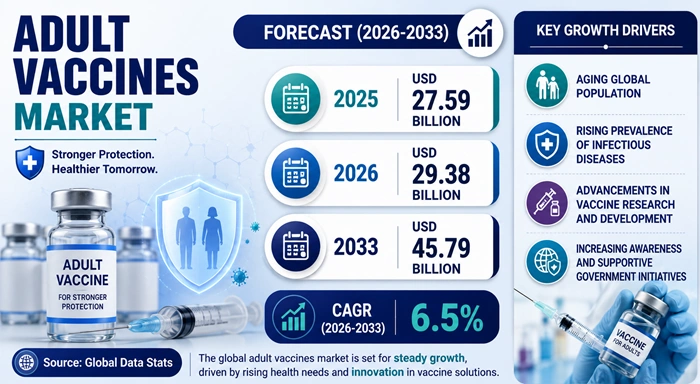
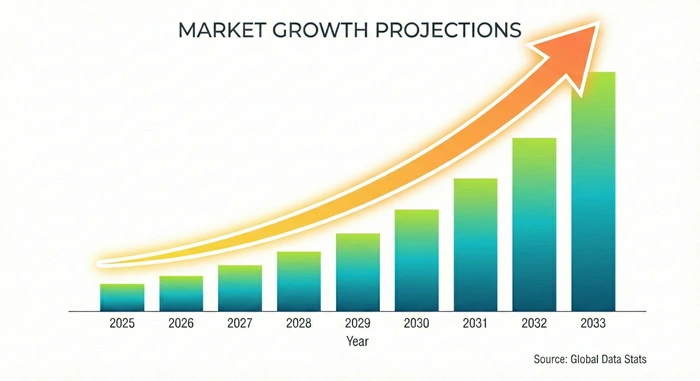
The global adult vaccines market size is valued at USD 27.59 billion in 2025 and is predicted to increase from USD 29.38 billion in 2026 to approximately USD 45.79 billion by 2033, growing at a CAGR of 6.5% from 2026 to 2033.
This growth is being propelled by rising awareness of adult immunization, increasing prevalence of vaccine-preventable diseases among older populations, and strong government-backed vaccination programs across both developed and emerging economies. The COVID-19 pandemic fundamentally shifted public and institutional attitudes toward adult vaccination, unlocking unprecedented investment in vaccine R&D, manufacturing infrastructure, and global distribution networks that continue to benefit the broader adult immunization market.
AI Impact on the Adult Vaccines Industry
Artificial Intelligence Is Transforming Vaccine Discovery, Clinical Trial Design, and Population-Level Immunization Strategy Across the Adult Vaccines Industry
Artificial intelligence is playing an increasingly pivotal role in reshaping the adult vaccines market, particularly in the areas of antigen discovery, immunogenicity prediction, and clinical trial optimization. AI-powered computational platforms can now analyze vast genomic and proteomic datasets to identify the most promising vaccine antigen candidates with a speed and accuracy that traditional laboratory methods cannot match, significantly compressing preclinical development timelines. For infectious diseases with rapidly mutating pathogens — such as influenza and respiratory syncytial virus (RSV) — machine learning models trained on viral sequence data are enabling the development of broader-spectrum vaccine formulations that remain effective across multiple viral strains. This capability is proving especially important for the adult vaccines sector, where the diversity of immune profiles across age groups demands a higher degree of formulation precision to ensure adequate immune response.
Beyond the laboratory, AI is transforming how vaccination programs are designed and deployed at the population level. Predictive analytics tools are being used by public health authorities and pharmaceutical companies to model disease outbreak trajectories, identify high-risk adult population subgroups, and optimize vaccine distribution logistics to minimize wastage and maximize coverage. Digital health platforms powered by AI are also improving patient engagement, sending personalized reminders, tracking adverse event reports in real time, and generating pharmacovigilance signals that enable faster regulatory responses. As AI continues to mature, its integration into every stage of the adult vaccine lifecycle — from discovery to post-market surveillance — is expected to deliver a compounding commercial advantage for companies that invest in these capabilities early.
Growth Factors
Aging Global Demographics, Expanding Vaccine Pipelines, and Government-Mandated Immunization Programs Are the Core Pillars Driving Sustained Growth in the Adult Vaccines Market
The most powerful structural growth driver for the adult vaccines market is the accelerating global aging trend. By 2030, the WHO projects that one in six people globally will be aged 60 or older — a demographic particularly vulnerable to vaccine-preventable illnesses including pneumonia, shingles, influenza, and RSV due to the gradual weakening of immune function, a process known as immunosenescence. Adults over 60 represent the highest per-capita consumers of vaccines within the adult immunization category, and their numbers are growing fastest in Asia Pacific, Europe, and North America — the world's three largest vaccine markets. This demographic reality creates a durable, structural demand driver that will sustain adult vaccine market growth well beyond the 2026–2033 forecast horizon.
Government immunization programs and public health mandates represent the second major growth catalyst, as health ministries worldwide have increasingly recognized adult vaccination as a cost-effective public health investment. National immunization programs in the United States, European Union, Japan, Australia, and South Korea now include a growing number of adult-recommended vaccines, and government procurement mechanisms guarantee baseline demand for manufacturers regardless of consumer awareness levels. The pandemic era demonstrated unambiguously that rapid adult vaccine deployment is achievable at scale, and this lesson has translated into sustained increases in national vaccination budgets and pandemic preparedness funding that flow directly into the adult vaccines market. Public-private partnerships between governments and leading vaccine developers have further accelerated R&D timelines and secured advance purchase commitments that de-risk commercial investment.
Market Outlook
The Adult Vaccines Market Is Set for Steady and Sustained Revenue Expansion Through 2033, Supported by mRNA Platform Advances, Combination Vaccines, and Expanding Indications
The medium-to-long-term outlook for the adult vaccines market is firmly positive, underpinned by a deep and diverse commercial pipeline and a regulatory environment that has grown more agile following the COVID-19 vaccine approvals. The mRNA vaccine platform — which proved itself comprehensively during the pandemic — is now being deployed for a growing range of adult vaccine indications including influenza, RSV, HIV, CMV, and various cancers. Because mRNA vaccines can be designed and manufactured significantly faster than traditional platforms, they are expected to enable more frequent vaccine updates and first-to-market advantages for companies that master this technology, creating a structural competitive shift in the adult vaccines market in favor of mRNA innovators like Moderna and Pfizer-BioNTech.
Combination vaccines — single-dose products that confer protection against multiple pathogens simultaneously — represent another transformative trend improving the outlook for adult immunization globally. Combination formulations reduce the logistical complexity and patient compliance barriers associated with multiple separate injections, making it easier for healthcare systems and individuals to achieve comprehensive adult immunization coverage. The expansion of recommended adult vaccine schedules across key geographies, combined with growing private healthcare expenditure and rising health insurance coverage in emerging markets, will further expand the commercial addressable market for adult vaccines through 2033.
Expert Speaks
Industry leaders from the world's largest pharmaceutical and biotechnology companies are consistently emphasizing the strategic importance of adult immunization:
-
"Adult immunization has historically been undervalued compared to childhood vaccination, but that conversation is changing rapidly. Our pipeline reflects our conviction that the adult vaccines market offers some of the most compelling commercial opportunities in all of pharmaceuticals, and we are investing across influenza, RSV, and cancer vaccine platforms with that belief fully in mind." — CEO, Pfizer Inc.
-
"The mRNA platform has fundamentally changed what is possible in adult vaccine development. We now have the capability to design, test, and bring to market vaccine candidates against diseases that were previously considered intractable, and we see a decade of growth opportunity ahead in the adult immunization space." — CEO, Moderna Inc.
-
"Vaccines are the most cost-effective intervention in medicine, and adult vaccines are the next frontier for public health impact. We are committed to ensuring that populations across both developed and developing markets have access to the full range of vaccines they need throughout their adult lives." — CEO, Sanofi S.A.
Key Report Takeaways
-
North America leads the global adult vaccines market, holding approximately 43% of the global revenue share in 2025, driven by comprehensive national immunization guidelines, high physician recommendation rates, strong private insurance coverage for adult vaccines, and the presence of major manufacturers including Pfizer, Merck, and Moderna.
-
Asia Pacific is the fastest-growing regional market, projected to expand at an above-average CAGR through 2033, driven by large and rapidly aging populations in China, Japan, and South Korea, government investment in universal immunization programs, and rising healthcare expenditure in India and Southeast Asia.
-
Hospitals represent the largest end-user segment, capturing the highest share of adult vaccine administration revenue in 2025, as inpatient and outpatient hospital settings serve as the primary administration points for high-value vaccines including pneumococcal, shingles (zoster), and RSV vaccines among at-risk adult populations.
-
Influenza vaccines hold the largest vaccine-type share, accounting for approximately 33% of the global adult vaccines market revenue in 2026, driven by annual administration requirements across broad age groups, established national stockpile programs, and consistent global demand from both public health systems and private consumers.
-
The pneumococcal vaccine segment is the second-largest category, driven by high-risk adult populations including immunocompromised individuals, adults over 65, and those with chronic respiratory or cardiac conditions, with GSK's Synflorix and Pfizer's Prevnar series dominating global commercial volumes.
-
Herpes zoster (shingles) vaccines represent the fastest-growing vaccine type, expected to record the highest CAGR through 2033, as GSK's Shingrix continues to achieve strong uptake in new markets and as broader age group recommendations expand the eligible population globally.
-
The private segment is the fastest-growing distribution channel, as rising consumer health awareness, employer-sponsored wellness programs, and expanding retail pharmacy vaccination services are progressively shifting adult vaccine administration away from purely public health settings and into commercially driven private channels.
Market Scope
| Report Coverage | Details |
|---|---|
| Market Size by 2033 | USD 45.79 Billion |
| Market Size by 2025 | USD 27.59 Billion |
| Market Size by 2026 | USD 29.38 Billion |
| Market Growth Rate from 2026 to 2033 | CAGR of 6.5% |
| Dominating Region | North America |
| Fastest Growing Region | Asia Pacific |
| Base Year | 2025 |
| Forecast Period | 2026 to 2033 |
| Segments Covered | Vaccine Type, Technology, Route of Administration, End-User, Distribution Channel, and Region |
| Regions Covered | North America, Europe, Asia Pacific, Latin America, and Middle East & Africa |
Market Dynamics
Drivers Impact Analysis
Rising Immunosenescence in Aging Populations and Strengthened Government Immunization Mandates Are the Primary Engines Accelerating Revenue Growth in the Adult Vaccines Market
| Driver | ≈ % Impact on CAGR Forecast | Geographic Relevance | Impact Timeline |
|---|---|---|---|
| Aging population and immunosenescence | ~35% | Global, especially North America, Europe & Asia Pacific | 2026–2033 |
| Government immunization programs and procurement | ~26% | Global | 2026–2033 |
| mRNA and novel vaccine platform advances | ~19% | North America, Europe | 2026–2033 |
| Rising awareness of vaccine-preventable adult diseases | ~13% | Global | 2026–2030 |
| Pandemic preparedness investment | ~7% | Global | 2026–2030 |
The global aging megatrend is the single most impactful and durable driver for the adult vaccines market. As immune function naturally declines with age, older adults face dramatically higher risks from vaccine-preventable diseases including pneumococcal pneumonia, influenza, shingles, and RSV-related lower respiratory tract infections. With the global population aged 65 and above projected to double from approximately 700 million today to nearly 1.5 billion by 2050, the patient population most in need of adult vaccines is expanding continuously and rapidly. Healthcare systems in high-income countries have long recognized this reality and have embedded adult vaccination schedules into national preventive care frameworks, while middle-income countries are following suit as their healthcare infrastructure matures and their populations age.
Government procurement and national immunization programs function as the market's structural commercial foundation, guaranteeing baseline vaccine demand that transcends consumer awareness or private market dynamics. The United States Centers for Disease Control and Prevention (CDC) maintains detailed adult immunization schedules that effectively shape physician recommendation behavior and insurance reimbursement policies, driving consistent annual demand for influenza, pneumococcal, shingles, Tdap, and hepatitis vaccines across adult age groups. Post-pandemic, many governments have also broadened their immunization mandate frameworks and increased vaccine program budgets, recognizing that maintaining high adult vaccination rates reduces hospitalizations, saves healthcare costs, and protects economic productivity. This policy environment translates into highly predictable, long-horizon revenue streams for established vaccine manufacturers.
Restraints Impact Analysis
Vaccine Hesitancy, Cold Chain Complexity, and Reimbursement Gaps in Emerging Markets Represent the Most Significant Barriers to Faster Growth in the Adult Vaccines Market
| Restraint | ≈ % Impact on CAGR Forecast | Geographic Relevance | Impact Timeline |
|---|---|---|---|
| Vaccine hesitancy and misinformation | ~33% negative impact | Global | 2026–2033 |
| Cold chain and distribution challenges | ~24% negative impact | Asia Pacific, Latin America, MEA | 2026–2030 |
| Limited reimbursement in emerging markets | ~21% negative impact | Asia Pacific, Latin America, MEA | 2026–2030 |
| High vaccine development and manufacturing costs | ~14% negative impact | Global | 2026–2030 |
| Patent expiry and biosimilar competition | ~8% negative impact | North America, Europe | 2027–2033 |
Vaccine hesitancy remains one of the most persistent and multidimensional challenges facing the adult vaccines market globally. The COVID-19 vaccination experience, while demonstrating the power of rapid vaccine deployment, also amplified pre-existing skepticism in many communities — driven by misinformation, distrust of pharmaceutical companies, and political polarization around public health mandates. For adult vaccines specifically, this hesitancy is compounded by the fact that immunization in adulthood is not as culturally entrenched as childhood vaccination, meaning that without proactive physician recommendation and consumer outreach, uptake rates for even highly recommended vaccines like shingles and pneumococcal remain significantly below theoretical coverage targets. Overcoming this barrier requires sustained investment in public health communication, healthcare provider education, and community-based outreach that goes well beyond the traditional pharmaceutical commercial model.
Cold chain logistics and uneven healthcare infrastructure represent critical operational restraints that limit the penetration of the adult vaccines market in Asia Pacific, Latin America, and Sub-Saharan Africa. Many high-value adult vaccines — including inactivated influenza vaccines and protein subunit formulations — require continuous refrigeration from manufacture through administration, and maintaining this cold chain across geographically dispersed, infrastructure-challenged markets adds substantial cost and logistical complexity. Reimbursement gaps further compound the access challenge in middle- and lower-income countries, where adult vaccines may not yet be included in national formularies or where out-of-pocket costs create affordability barriers for working-age and elderly populations. Until these structural barriers are systematically addressed through public health investment and international collaboration, they will continue to moderate growth rates in the market's fastest-expanding geographies.
Opportunities Impact Analysis
mRNA Pipeline Expansion, Combination Vaccine Innovation, and Emerging Market Penetration Represent the Highest-Value Growth Opportunities in the Adult Vaccines Market
| Opportunity | ≈ % Impact on CAGR Forecast | Geographic Relevance | Impact Timeline |
|---|---|---|---|
| mRNA vaccine pipeline for new adult indications | ~36% positive impact | North America, Europe | 2026–2033 |
| Combination and multi-valent vaccine development | ~24% positive impact | Global | 2027–2033 |
| Emerging market and low-income country access programs | ~18% positive impact | Asia Pacific, Latin America, MEA | 2028–2033 |
| Workplace and travel vaccination programs | ~13% positive impact | North America, Europe, Asia Pacific | 2026–2033 |
| Therapeutic cancer vaccines for adults | ~9% positive impact | North America, Europe | 2028–2033 |
The expansion of the mRNA vaccine platform into new adult indications represents the most transformative long-term opportunity for the adult vaccines market. Moderna and Pfizer-BioNTech are both advancing mRNA-based candidates for influenza, RSV, cytomegalovirus (CMV), HIV, and therapeutic cancer vaccines — a portfolio breadth that, if successfully commercialized, would dramatically expand the total addressable market for adult immunization. The speed of mRNA vaccine development is particularly valuable in the context of emerging infectious disease threats, where the ability to design and manufacture a novel vaccine candidate within weeks of pathogen identification could be decisive in containing an outbreak. The commercial validation of mRNA technology during the COVID-19 pandemic has also substantially improved the regulatory and market access environment for future mRNA-based adult vaccines.
Combination vaccines present a compelling commercial opportunity by simultaneously improving public health outcomes and simplifying the patient vaccination journey. The development of products that confer protection against influenza, RSV, and pneumococcal disease in a single injection would dramatically reduce the logistical burden on healthcare systems and eliminate a significant patient compliance barrier. Several pharmaceutical companies are already progressing such multi-pathogen combination vaccines through clinical development, and the commercial reception of the first approved combination adult vaccines is expected to confirm the market's appetite for this format. The parallel opportunity of expanding workplace vaccination programs — driven by employer interest in reducing absenteeism and demonstrating employee wellness commitment — creates an additional, commercially attractive channel for adult vaccine distribution that extends the market beyond traditional healthcare settings.
Segment Analysis
By Vaccine Type
Influenza Vaccines Dominate the Adult Vaccines Market While the Herpes Zoster Segment Emerges as the Fastest-Growing Vaccine Category Through 2033
Influenza vaccines hold the largest share within the adult vaccines market by vaccine type, accounting for approximately 33% of the global vaccine type revenue in 2026. The dominant position of influenza vaccines reflects their broad annual administration requirement across virtually all adult age groups — from working-age adults in high-exposure occupations to older adults in high-risk residential settings. Unlike most other adult vaccines that are administered once or in a defined series, influenza vaccines must be updated and re-administered annually to remain effective against circulating strains, creating a recurring demand cycle that generates predictable, high-volume revenue for manufacturers year after year. North America is the largest and most mature regional market for influenza vaccines, where high physician recommendation rates, robust healthcare infrastructure, and established annual vaccination campaigns through employers, pharmacies, and primary care settings collectively drive strong seasonal uptake. Key companies dominating this segment include Sanofi with its Fluzone franchise, Seqirus (CSL Behring), and AstraZeneca's FluMist, all of which maintain significant market share through a combination of premium high-dose formulations and government contract supply. The influenza vaccine segment's recurring revenue model and broad age group eligibility ensure it will remain the largest single vaccine type category in the adult immunization market throughout the forecast period.
Herpes zoster (shingles) vaccines represent the fastest-growing vaccine type within the adult vaccines market, driven primarily by the remarkable commercial success of GSK's Shingrix — the recombinant adjuvanted zoster vaccine that has achieved vaccination rates and clinical efficacy levels that far surpassed its predecessor in nearly every market it has entered. Shingrix demonstrated over 90% efficacy across multiple clinical trials in adults aged 50 and above, and its recommendation by national health authorities in the U.S., Canada, Europe, and Australia has created broad eligibility and strong physician advocacy that continue to drive adoption. Europe is experiencing particularly strong growth in zoster vaccine uptake, as national health services progressively add Shingrix to their reimbursed adult immunization schedules and as awareness among patients and physicians about the morbidity burden of shingles and its neurological complication — post-herpetic neuralgia — has increased substantially. The segment is expected to grow at a CAGR well above the overall adult vaccine market average through 2033, as previously under-vaccinated adult cohorts receive their initial doses and as new market entries in Asia Pacific expand the global eligible population.
By Technology
Protein Subunit Technology Leads the Adult Vaccines Technology Landscape While mRNA Platforms Represent the Dominant Future Growth Vector
Protein subunit vaccines hold the largest technology segment share within the adult vaccines market, accounting for approximately 44% of global technology revenue in 2026, driven by their long-established safety and efficacy record across a wide range of adult vaccine indications including pneumococcal disease, hepatitis B, hepatitis A, and pertussis. Their well-characterized regulatory approval pathways, robust manufacturing scalability, and broad physician and patient familiarity make them the technology of choice for the majority of currently approved adult vaccines in global formularies. North America and Europe together account for the majority of protein subunit adult vaccine revenue, with Pfizer's Prevnar franchise, GSK's Shingrix, and Merck's Gardasil representing some of the highest-revenue individual vaccine products globally. These companies continue to invest in next-generation protein subunit formulations with enhanced adjuvant systems and broader antigen coverage, ensuring the technology remains commercially competitive as mRNA alternatives enter the market.
mRNA technology represents the fastest-growing vaccine technology segment in the adult vaccines market, and its trajectory through 2033 is expected to be one of the most consequential technology transitions in the history of adult immunization. Following the proof-of-concept delivered by Moderna and Pfizer-BioNTech's COVID-19 vaccines, both companies — along with a growing cohort of biotechnology innovators — are rapidly advancing mRNA-based candidates for influenza, RSV, cytomegalovirus, and cancer into late-stage clinical trials. The key competitive advantage of mRNA technology lies in its speed of development and the theoretical ability to combine multiple antigens into a single formulation without the manufacturing complexity that constrains protein subunit combination products. Asia Pacific is also becoming an important growth market for mRNA vaccine technology, as companies in China, Japan, and South Korea invest in mRNA manufacturing capabilities and as regulatory frameworks for this technology class become more established across the region.
Regional Insights
North America
North America Dominates the Global Adult Vaccines Market, Anchored by Comprehensive Immunization Schedules, High Physician Recommendation Rates, and World-Leading Vaccine Manufacturers
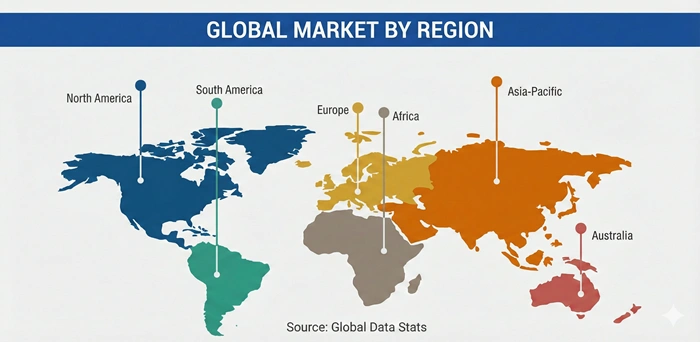
North America commands the largest share of the adult vaccines market, accounting for approximately 43% of global revenue in 2025 and projected to grow at a CAGR of approximately 6.2% through 2033. The United States is the clear regional anchor, where the CDC's Advisory Committee on Immunization Practices (ACIP) issues annually updated adult immunization schedules that carry significant influence over physician recommendation behavior and insurance reimbursement policies across the country. A combination of high health insurance penetration, a robust retail pharmacy vaccination infrastructure, and culturally ingrained preventive healthcare habits ensures that U.S. adults receive vaccines at significantly higher rates than populations in most other regions. Key companies headquartered or commercially dominant in North America include Pfizer, Merck & Co., Moderna, and Sanofi North America, all of which maintain large commercial manufacturing and distribution operations serving both domestic and export markets.
Canada contributes meaningfully to North America's regional position through its publicly funded provincial vaccination programs, which include an increasingly broad range of adult vaccines in their reimbursed formularies. The Canadian government's National Advisory Committee on Immunization (NACI) regularly updates adult vaccination recommendations, and growing physician compliance with these guidelines is progressively expanding adult vaccine coverage rates, particularly for shingles, pneumococcal, and RSV vaccines among adults over 60. Mexico, while currently a smaller contributor to regional revenue, represents a growing opportunity as its healthcare system continues to invest in preventive care infrastructure and as Cofepris — the Mexican regulatory authority — aligns more closely with FDA and EMA standards for vaccine approval and post-market surveillance.
Asia Pacific
Asia Pacific Is the Fastest-Growing Regional Market for Adult Vaccines, Propelled by Aging Demographics, Rising Healthcare Expenditure, and Expanding National Immunization Coverage
Asia Pacific is projected to register the fastest CAGR in the adult vaccines market during the 2026–2033 forecast period, driven by a convergence of demographic urgency, economic growth, and government public health investment that is rapidly expanding adult immunization coverage across the region. Japan — which has one of the world's most elderly populations — leads regional demand for adult vaccines including pneumococcal, influenza, shingles, and RSV vaccines, with the Japanese Pharmaceuticals and Medical Devices Agency (PMDA) actively supporting the addition of new adult vaccine recommendations to national guidelines. China is the region's largest volume market by population, where the National Medical Products Administration (NMPA) is working to expand adult immunization programs beyond the currently limited national schedule, creating significant runway for growth in influenza, hepatitis, and HPV vaccine uptake among working-age and older adult populations. Key players operating across the Asia Pacific adult vaccines market include GSK, Sanofi, MSD (Merck Asia Pacific), Takeda Pharmaceutical, and Serum Institute of India.
India represents a compelling emerging growth market within Asia Pacific, where a rapidly growing middle class, expanding private hospital network, and rising public health awareness are creating increasing commercial demand for adult vaccines including hepatitis A and B, influenza, typhoid, and HPV. The Indian government's Universal Immunization Programme has historically focused on pediatric vaccines, but growing recognition of adult vaccine-preventable disease burden is beginning to shift policy priorities toward adult immunization coverage. South Korea and Australia round out the region's significant markets, both characterized by high physician engagement with adult vaccination guidelines, favorable reimbursement environments, and mature private pharmacy vaccination channels that mirror those in North America and Western Europe. The overall trajectory for Asia Pacific ensures it will capture a progressively larger share of global adult vaccines market revenue by 2033.
Report Customization by Region and Country
Tailored Regional and Country-Level Intelligence Available — This Report Can Be Fully Customized to Deliver In-Depth Market Insights on the Adult Vaccines Sector for Any Geography Listed Below
This report is available in customized editions that provide granular, country-specific market intelligence — covering market size, competitive landscape, regulatory environment, growth drivers, trends, and investment opportunities — tailored specifically to your target geography within the adult vaccines industry.
North America
-
United States — CDC adult immunization schedule impact, ACIP recommendation trends, market size by vaccine type, and key player commercial strategies
-
Canada — NACI guidelines, provincial reimbursement programs, adult vaccine coverage rates, and manufacturer activity
-
Mexico — Cofepris regulatory framework, public immunization program scope, and commercial market development trends
Europe
-
United Kingdom — JCVI recommendations, NHS adult vaccination program coverage, and post-Brexit regulatory alignment updates
-
Germany — STIKO adult vaccination guidelines, AMNOG assessment for new adult vaccines, and market access analysis
-
France — HAS recommendations, social security reimbursement landscape, and adult immunization coverage by vaccine type
-
Italy — AIFA adult vaccine approvals, regional healthcare system variation, and private market adult vaccine trends
-
Rest of Europe — Eastern European immunization program development, Scandinavian regulatory trends, and cross-border commercial dynamics
Asia Pacific
-
China — NMPA approval pipeline, national expanded immunization program analysis, and commercial market opportunity by vaccine type
-
India — CDSCO adult vaccine approvals, UIP program scope, private healthcare demand, and domestic manufacturer activity
-
Japan — PMDA regulatory landscape, aging population vaccine demand, and national adult immunization guideline evolution
-
South Korea — MFDS approvals, NIP adult vaccine inclusions, and domestic market competition analysis
-
Australia — TGA regulatory environment, ATAGI recommendations, PBS adult vaccine reimbursement, and private market analysis
-
Rest of Asia Pacific — Southeast Asian immunization program development, travel vaccine demand, and urban adult vaccination trends
Latin America
-
Brazil — ANVISA regulatory framework, Fiocruz manufacturing activity, national adult immunization schedule, and commercial market analysis
-
Argentina — ANMAT approvals, public immunization program scope, and private adult vaccine market development
-
Rest of Latin America — PAHO-supported immunization programs, market access dynamics, and adult vaccine demand trends
Middle East & Africa
-
UAE — DHA/MOH adult vaccination programs, medical tourism impact on immunization demand, and premium adult vaccine market analysis
-
Saudi Arabia — MOH adult immunization guidelines, Hajj-related vaccine demand, Vision 2030 healthcare investment impact
-
Rest of MEA — WHO-supported adult immunization programs, infrastructure challenges, and emerging private market development
Top Key Players
-
Pfizer Inc. (United States)
-
GlaxoSmithKline PLC (GSK) (United Kingdom)
-
Sanofi S.A. (France)
-
Merck & Co. Inc. (United States)
-
Moderna Inc. (United States)
-
AstraZeneca PLC (United Kingdom)
-
Johnson & Johnson (Janssen) (United States)
-
Novavax Inc. (United States)
-
Serum Institute of India Pvt. Ltd. (India)
-
Bavarian Nordic A/S (Denmark)
-
CSL Seqirus (Australia)
-
Takeda Pharmaceutical Company Limited (Japan)
-
Bharat Biotech International Ltd. (India)
-
Biological E Ltd. (India)
-
Valneva SE (France)
Recent Developments
-
In March 2025, Pfizer received FDA approval for its updated Prevnar 20 pneumococcal conjugate vaccine for adults aged 18 to 49 with specified risk conditions, significantly expanding the eligible adult population for this high-value product beyond its original approval in adults 65 and older. This label expansion positions Prevnar 20 as a key revenue driver for Pfizer's adult vaccines portfolio through the forecast period.
-
In January 2025, Moderna reported positive Phase III results for its mRNA-1345 RSV vaccine candidate in adults aged 60 and above, demonstrating strong efficacy against RSV lower respiratory tract disease across multiple season evaluations. The data supported Moderna's regulatory submission package for expanded international approvals, positioning mRNA-1345 as a direct commercial competitor to GSK's Arexvy in the growing adult RSV vaccines segment.
-
In November 2024, GSK announced record annual commercial sales for Shingrix in its latest financial results, surpassing previous revenue milestones driven by continued strong uptake in the United States, expanded market authorization in China, and new inclusion in the national immunization programs of several European countries. GSK also commenced Phase III clinical evaluation of a next-generation Shingrix formulation designed for immunocompromised adults.
-
In October 2024, Sanofi and Translate Bio advanced their combined mRNA influenza vaccine program into Phase II clinical trials, reporting early immunogenicity data that demonstrated non-inferior immune responses compared to the standard-dose seasonal influenza vaccine. The collaboration represents Sanofi's strategic investment in transitioning its influenza franchise toward mRNA platforms to remain competitive against Moderna and Pfizer in the next-generation influenza vaccine market.
-
In September 2024, Bavarian Nordic completed the acquisition of Emergent BioSolutions' travel health vaccine portfolio, significantly expanding its adult vaccines product lineup to include vaccines for typhoid, hepatitis A and B, and cholera. The deal was valued at approximately USD 270 million and positioned Bavarian Nordic as a more comprehensive competitor in the global adult travel and specialty vaccines segment.
Market Trends
The Adult Vaccines Market Is Being Redefined by mRNA Platform Expansion, the Rise of Combination Vaccines, and the Commercial Integration of Workplace and Retail Pharmacy Vaccination Channels
The most significant trend reshaping the adult vaccines market is the accelerating commercial expansion of the mRNA vaccine platform beyond COVID-19 into a broad range of adult infectious disease indications. Moderna and Pfizer-BioNTech's demonstrated success with mRNA COVID-19 vaccines has fundamentally validated this technology for regulators, payers, and prescribers, creating a far more favorable environment for the approval and reimbursement of future mRNA adult vaccines. The pipeline of mRNA candidates currently in late-stage clinical trials for influenza, RSV, CMV, and cancer is broader and more advanced than it has ever been, and the commercial launches expected from this pipeline between 2026 and 2030 will progressively shift the technology composition of the adult vaccines market away from traditional platforms. Companies that have invested in mRNA manufacturing scale and supply chain infrastructure are positioned to capture a disproportionate share of this technology transition's commercial value.
A parallel trend is the growing importance of non-traditional vaccination channels — particularly retail pharmacy networks and workplace-sponsored vaccination programs — in driving adult vaccine access and uptake. In the United States, over 40% of adult flu vaccinations are now administered through retail pharmacies, and this channel is expanding its footprint across Europe and Asia Pacific as consumers increasingly prefer the convenience of walk-in vaccination without a physician appointment. Employer-sponsored vaccination programs are growing rapidly as companies recognize the direct productivity and healthcare cost benefits of maintaining vaccinated workforces — a trend particularly evident in industries with high workforce density such as manufacturing, logistics, and hospitality. The commercial implications for vaccine manufacturers are significant: expanding non-traditional channels multiplies the access points through which adult vaccines reach end consumers, accelerating coverage penetration and generating incremental volumes beyond what traditional healthcare settings alone could deliver.
Segments Covered in the Report
By Vaccine Type
-
Influenza Vaccines
-
Pneumococcal Vaccines
-
Herpes Zoster (Shingles) Vaccines
-
Hepatitis A and B Vaccines
-
HPV Vaccines
-
Tdap/Td Vaccines
-
RSV Vaccines
-
COVID-19 Vaccines
-
Others
By Technology
-
Protein Subunit
-
mRNA
-
Inactivated / Killed
-
Live Attenuated
-
Viral Vector
-
Others
By Route of Administration
-
Intramuscular
-
Subcutaneous
-
Intradermal
-
Intranasal
-
Others
By End-User
-
Hospitals
-
Specialty Clinics
-
Retail Pharmacies
-
Government / Public Health Centers
-
Others
By Distribution Channel
-
Public / Government Distribution
-
Private Distribution
By Region
-
North America (U.S., Canada, Mexico)
-
Europe (U.K., Germany, France, Italy, Rest of Europe)
-
Asia Pacific (China, India, Japan, South Korea, Australia, Rest of Asia Pacific)
-
Latin America (Brazil, Argentina, Rest of Latin America)
-
Middle East & Africa (UAE, Saudi Arabia, Rest of MEA)
"Built for Every Level — From Startups to Industry Giants"
Here Is Exactly How This Report Works for You
-
For Tier 1 pharmaceutical companies, hospital networks, and institutional investors, this report delivers comprehensive competitor revenue analysis — including revenue source breakdowns, pipeline asset valuations, and geographic market share data for all key adult vaccine manufacturers — alongside detailed assessments of how geopolitical factors such as vaccine export restrictions, IP waiver debates, and trade policy shifts are reshaping competitive positioning globally, so your M&A, licensing, and market entry decisions are grounded in the most current and complete intelligence available in the adult vaccines market.
-
For startups, biosimilar developers, Tier 2 and Tier 3 vaccine manufacturers, and mid-level investors, this report identifies supply-demand imbalances across vaccine types and geographies — highlighting which adult vaccine categories are undersupplied in fast-growing markets and which emerging technology platforms are most likely to displace incumbent products — providing a precise commercial roadmap for product development prioritization, partnership targeting, and regional market entry strategy.
-
For strategic decision-makers at every organizational level, this report provides a clear-eyed analysis of how shifting reimbursement policies, national immunization program expansions, and the growing influence of retail pharmacy and workplace vaccination channels are restructuring the adult vaccines market's distribution economics — and exactly how the industry's leading companies are responding to these changes in their pricing, channel management, and go-to-market strategies, enabling you to benchmark your own approach against best-in-class commercial execution.
Frequently Asked Questions
Question 1: What is the current market value of the adult vaccines market and what is the projected size by 2033?
Answer: The adult vaccines market is valued at USD 27.59 billion in 2025 and is projected to reach USD 45.79 billion by 2033. It is expected to grow at a CAGR of 6.5% from 2026 to 2033, driven by aging populations, expanding immunization programs, and mRNA vaccine platform advances.
Question 2: What are the key vaccine types driving the adult vaccines market?
Answer: Influenza vaccines hold the largest share of the adult vaccines market, accounting for approximately 33% of global vaccine type revenue in 2026, driven by annual administration requirements across all adult age groups. Pneumococcal and herpes zoster vaccines represent the second and third-largest categories, while RSV and mRNA-based vaccines are emerging as the fastest-growing new entrants.
Question 3: Which region dominates the adult vaccines market and which region is growing the fastest?
Answer: North America leads the adult vaccines market with approximately 43% of global revenue in 2025, anchored by comprehensive CDC immunization schedules, high physician recommendation rates, and the presence of Pfizer, Merck, and Moderna. Asia Pacific is the fastest-growing regional market through 2033, driven by rapidly aging populations in Japan, China, and South Korea and rising healthcare expenditure across India and Southeast Asia.
Question 4: How is mRNA technology impacting the adult vaccines market?
Answer: mRNA technology is one of the most transformative forces in the adult vaccines market, enabling faster vaccine development timelines, more flexible antigen design, and the potential to combine multiple disease targets into a single formulation. Moderna and Pfizer-BioNTech are leading this transition, advancing mRNA-based vaccines for influenza, RSV, CMV, and cancer into late-stage clinical trials that could significantly reshape the technology composition of the adult immunization landscape by 2030.
Question 5: What are the main factors restraining faster growth in the adult vaccines market?
Answer: The adult vaccines market faces key challenges including persistent vaccine hesitancy fueled by misinformation, cold chain logistics barriers in emerging markets, and limited reimbursement coverage for adult vaccines in lower-income countries. High development costs for novel vaccine platforms and the competitive pressure from biosimilar and next-generation entrants also moderate growth rates in established markets.