
Adhesives Dispersions Market Overview
Water-Based Bonding Solutions and Sustainability Drive Dispersion Technology Across Packaging, Construction, and Automotive Industries
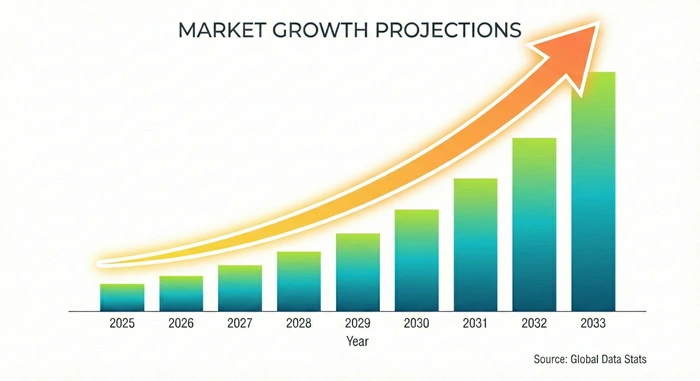
The global adhesives dispersions market size is valued at USD 4.45 billion in 2025 and is predicted to increase from USD 4.70 billion in 2026 to approximately USD 7.15 billion by 2033, growing at a CAGR of 5.45% from 2026 to 2033. This specialized chemical industry encompasses production, formulation, and supply of water-based adhesive systems where polymer particles are dispersed in water creating versatile bonding solutions for diverse substrates. The adhesives dispersions market addresses critical performance requirements where environmental regulations, operational efficiency, and cost-effectiveness drive adoption across packaging, construction, automotive, footwear, and nonwovens applications requiring reliable bonding technology and technical support capabilities.
The adhesives dispersions market benefits from escalating demand for environmentally friendly adhesive solutions where volatile organic compound (VOC) regulations, sustainability mandates, and performance requirements drive adoption of water-based systems. Dispersion adhesives offer superior bonding strength, flexibility, and processability while maintaining low toxicity and reduced environmental impact compared to solvent-based alternatives. Major sectors including packaging materials, construction products, automotive components, footwear manufacturing, and nonwoven hygiene products consume substantial adhesives dispersions volumes as companies pursue operational efficiency, sustainability compliance, and product performance improvements throughout manufacturing operations requiring proven adhesive technology and application expertise.

AI Impact on the Adhesives Dispersions Industry
Process Optimization and Quality Control Revolutionize Adhesive Performance and Application Efficiency
Artificial intelligence transforms the adhesives dispersions market through advanced process control systems monitoring polymerization parameters, dispersion stability, and application conditions optimizing production efficiency and product consistency across manufacturing operations. Machine learning algorithms analyze thousands of processing variables including temperature profiles, shear rates, surfactant concentrations, and monomer feed rates identifying optimal settings achieving target particle size distribution, viscosity, and stability while minimizing energy consumption and raw material usage. These AI-powered platforms enable real-time adjustments preventing coagulation, sedimentation, and viscosity variations, reducing raw material losses and improving overall equipment effectiveness particularly critical given stringent performance requirements for packaging and construction applications. Predictive quality models correlating dispersion composition and process parameters with final adhesive performance enable proactive interventions maintaining consistent specifications meeting customer expectations and regulatory requirements throughout production cycles.
Advanced AI applications extend beyond manufacturing optimization to revolutionize adhesive formulation development and performance testing within the adhesives dispersions market landscape. Neural networks analyze adhesive performance data including bond strength, flexibility, and durability predicting optimal formulations, surfactant selections, and processing conditions achieving desired performance targets. Computer vision systems inspect adhesive films identifying defects, voids, and coating irregularities supporting quality assurance programs and troubleshooting initiatives. Automated testing protocols incorporating peel strength measurements, shear strength evaluation, and durability testing reduce development cycles from months to weeks enabling rapid product optimization. These AI-driven capabilities position manufacturers to achieve superior operational efficiency while reducing formulation costs by 20-30% and improving customer satisfaction throughout forecast period.
Growth Factors
Packaging Industry Expansion and Construction Sector Growth Drive Unprecedented Adhesives Dispersions Adoption
The adhesives dispersions market experiences robust growth propelled by packaging industry expansion where flexible packaging, rigid containers, and protective materials require advanced adhesive solutions delivering superior bond strength, flexibility, and cost-effectiveness. Global packaging market projected to exceed 1 trillion dollars by 2030 with growing adhesive consumption demonstrates strong demand fundamentals. Flexible packaging applications particularly food packaging, pharmaceutical packaging, and e-commerce shipping materials consume substantial adhesives dispersions volumes requiring specialized formulations offering enhanced adhesion, moisture resistance, and processability. Rigid packaging including containers, bottles, and closures utilizes adhesives dispersions for lamination, labeling, and assembly. Consumer goods packaging emphasizing sustainable materials, reduced plastic usage, and circular economy principles drives innovation in adhesive formulations. These packaging applications create sustained baseline demand supporting market growth throughout forecast period.
Construction sector growth accelerates adhesives dispersions market expansion as urbanization, infrastructure development, and building renovation initiatives drive demand for advanced bonding solutions. Global construction market projected to exceed 15 trillion dollars annually by 2030 with growing adhesive consumption demonstrates strong demand fundamentals. Flooring installation applications including laminate flooring, vinyl flooring, and tile installation consume substantial adhesives dispersions volumes. Wall panel installation, ceiling systems, and insulation board bonding require specialized adhesive formulations. Renovation and retrofit projects including window installation, door assembly, and panel bonding create concentrated demand. Energy efficiency regulations promoting improved building envelopes and insulation performance drive adoption of advanced adhesive systems. These construction applications demonstrate exceptional growth supporting sustained consumption throughout forecast period.
Market Outlook
Sustainability Integration and Circular Economy Principles Position Industry for Technology-Driven Transformation
The adhesives dispersions market outlook remains exceptionally positive as manufacturers invest substantially in sustainable adhesive technologies, circular economy integration, and advanced polymerization processes addressing environmental concerns and performance requirements. Next-generation adhesives dispersions incorporating bio-based polymers, renewable feedstocks, and recyclability-enhanced systems deliver improved environmental performance while maintaining or enhancing bonding characteristics. Advanced dispersion systems enable production of recyclable adhesive grades supporting circular economy initiatives and sustainable manufacturing practices. Chemical recycling technologies utilizing adhesives dispersions enable depolymerization and repolymerization supporting closed-loop material flows. Bio-based polyols and renewable feedstocks create opportunities for sustainable adhesive production utilizing advanced dispersion technology. These sustainability innovations create competitive advantages as packaging companies, construction firms, and automotive manufacturers increasingly prioritize suppliers demonstrating environmental stewardship throughout forecast period.
Investment trends within the adhesives dispersions market reflect growing confidence in long-term demand fundamentals as chemical companies, technology providers, and research institutions expand capacity, develop proprietary adhesive systems, and pursue strategic partnerships. Leading manufacturers including 3M, Henkel, Sika, Wacker Chemie, and regional producers maintain capital expenditure programs modernizing production facilities, implementing pilot plant capabilities, and developing application-specific adhesive portfolios. Acquisition activity intensifies as specialty chemical companies pursue market consolidation through strategic acquisitions of adhesive technology platforms, intellectual property portfolios, and customer relationships. Vertical integration strategies connecting adhesive production with polymer manufacturing and technical support create comprehensive solution offerings. Research collaborations advancing novel polymer architectures, improved dispersion stability, and enhanced bonding performance support market evolution balancing performance requirements with sustainability imperatives through 2033.
Expert Speaks
-
3M Company Leadership, emphasized technology advancement: "Our advanced adhesives dispersions deliver superior bond strength, exceptional process efficiency, and reduced environmental footprint. These innovative adhesive systems enable packaging manufacturers, construction companies, and automotive suppliers to achieve enhanced material performance, operational cost reductions, and sustainability targets without compromising product quality standards".
-
Henkel AG Management, highlighted sustainability imperative: "The transition to sustainable adhesive production represents a strategic imperative for chemical industry transformation. Our water-based adhesives dispersions provide exceptional bonding performance, improved environmental profile, and regulatory compliance supporting customer sustainability commitments, circular economy integration, and environmental protection objectives throughout packaging and construction value chains".
-
Wacker Chemie AG Leadership, articulated innovation direction: "Next-generation adhesives dispersions technology revolutionizes bonding performance enabling precise polymer architecture control, enhanced durability, and diversified application opportunities. This platform supports packaging innovation, construction material enhancement, and advanced footwear applications demonstrating commitment to innovation excellence and customer value creation".
Key Report Takeaways
-
Asia Pacific dominates the adhesives dispersions market with commanding share exceeding 48%, driven by extensive polymer manufacturing, packaging production, and construction development across China, India, Japan, and South Korea where rapid industrialization, export-oriented manufacturing, and consumer demand create substantial adhesive consumption supporting regional economic development.
-
Europe emerges as fastest-growing regional market with projected CAGR approaching 6.2% through 2033, propelled by sustainability regulations, advanced packaging technologies, and construction industry innovation where European Union environmental directives, green building certifications, and advanced manufacturing initiatives create concentrated adhesive demand supporting regional economic transformation.
-
Polyvinyl acetate (PVA) dispersions represent dominant product segment accounting for approximately 46% market share due to cost-effectiveness, proven performance, and widespread adoption across commodity adhesive production demonstrating sustained consumption across packaging, construction, and woodworking applications requiring reliable bonding solutions.
-
Polyurethane dispersions exhibit fastest technology growth with projected CAGR exceeding 8.4% through 2033, attributed to superior bonding performance, enhanced durability, and premium application suitability where high-performance packaging, automotive components, and specialty products drive adoption supporting segment expansion.
-
Packaging applications maintain largest application segment representing approximately 42% of market driven by operational efficiency, environmental advantages, and flexibility supporting large-scale packaging production across integrated manufacturing facilities and dedicated adhesive production sites.
-
Construction applications demonstrate exceptional growth potential with anticipated CAGR of 5.8% through 2033, driven by urbanization trends, infrastructure development, and renovation projects where flooring installation, wall panel bonding, and insulation board installation create concentrated adhesive demand supporting continued segment leadership.
Market Scope
| Report Coverage Details | |
|---|---|
| Market Size by 2033 | USD 7.15 Billion |
| Market Size by 2025 | USD 4.45 Billion |
| Market Size by 2026 | USD 4.70 Billion |
| Market Growth Rate from 2026 to 2033 | CAGR of 5.45% |
| Dominating Region | Asia Pacific |
| Fastest Growing Region | Europe |
| Base Year | 2025 |
| Forecast Period | 2026 to 2033 |
| Segments Covered | Resin Type, Application, End-Use Industry, Region |
| Regions Covered | North America, Europe, Asia Pacific, Latin America, Middle East & Africa |
Market Dynamics
Drivers Impact Analysis
Packaging Industry Growth and Sustainability Regulations Accelerate Adhesives Dispersions Adoption
| Impact Factor | (≈) % Impact on CAGR Forecast | Geographic Relevance | Impact Timeline |
|---|---|---|---|
| Packaging Industry Expansion | +2.6% | Global Markets | 2026-2033 |
| Sustainability Regulations | +2.2% | Developed Regions | 2026-2033 |
| Construction Sector Growth | +2.0% | Asia Pacific | 2026-2033 |
| Automotive Lightweighting | +1.4% | Global Markets | 2026-2033 |
The adhesives dispersions market benefits substantially from packaging industry expansion where flexible packaging, rigid containers, and protective materials require advanced adhesive solutions delivering superior bond strength, flexibility, and cost-effectiveness. Global packaging market projected to exceed 1 trillion dollars annually by 2030 with growing adhesive consumption demonstrates strong demand fundamentals. Flexible packaging applications particularly food packaging utilizing adhesives dispersions offering enhanced adhesion, moisture resistance, and optical clarity consume substantial volumes. Pharmaceutical packaging requiring sterile materials, chemical resistance, and regulatory compliance drives specialized adhesive adoption. E-commerce packaging growth particularly protective mailers, shipping containers, and void-fill materials creates concentrated demand. Rigid packaging including yogurt containers, beverage closures, and cosmetic packaging utilizes adhesives dispersions offering design flexibility and recyclability. Consumer preference for sustainable packaging, reduced plastic usage, and circular economy integration drives adhesive innovation. These packaging applications create sustained baseline demand supporting market growth throughout forecast period.
Sustainability regulations accelerate adhesives dispersions market adoption as volatile organic compound (VOC) regulations, environmental protection mandates, and circular economy principles drive adoption of water-based adhesive systems. Global VOC regulations mandating reduced emissions from adhesives create concentrated demand for water-based systems. European Union environmental directives promoting low-VOC products drive adoption of adhesives dispersions across packaging and construction applications. Green building certifications requiring sustainable materials and low-emission products drive adoption of water-based adhesives. Circular economy initiatives promoting recyclable materials and closed-loop systems drive innovation in adhesive formulations. These regulatory drivers create sustained demand for advanced adhesives dispersions supporting market growth throughout forecast period.
Restraints Impact Analysis
Raw Material Volatility and Technical Complexity Challenge Traditional Adhesive Applications
| Restraint Factor | (≈) % Impact on CAGR Forecast | Geographic Relevance | Impact Timeline |
|---|---|---|---|
| Raw Material Price Volatility | -1.6% | Global Manufacturing | 2026-2033 |
| Technical Complexity | -1.2% | Developed Markets | 2026-2031 |
| Application Limitations | -1.0% | Price-Sensitive Applications | 2026-2030 |
| Alternative Material Competition | -0.8% | Sustainability-Focused Markets | 2027-2033 |
The adhesives dispersions market faces growth constraints from raw material price volatility where fluctuations in polymers, surfactants, and specialty chemicals impact manufacturing costs and profitability. Petroleum feedstock price volatility affecting polymer precursors creates uncertainty in adhesive production economics influencing dispersions demand. Metal commodity market fluctuations particularly titanium and aluminum prices for catalyst production create cost pressures. Supply chain disruptions affecting specialty chemical availability, adhesive precursors, and co-agents constrain production capabilities. Geopolitical tensions affecting critical mineral supplies, export restrictions, and trade policies create supply security concerns. These raw material dynamics create profitability challenges particularly for cost-sensitive commodity adhesive producers throughout forecast period.
Technical complexity constrains adhesives dispersions market development where formulation expertise, application knowledge, and processing requirements create implementation barriers. Domain-specific knowledge requirements for adhesive formulation, dispersion stability, and application optimization create talent gaps particularly in emerging markets with limited chemical engineering education infrastructure. Application requirements including substrate compatibility, curing conditions, and performance specifications create technical challenges. Training requirements for operators, technicians, and engineers create additional investment burdens. These technical dynamics create implementation challenges particularly for small and medium enterprises throughout forecast period.
Opportunities Impact Analysis
Circular Economy Integration and Advanced Technologies Create Substantial Growth Avenues Beyond Traditional Applications
| Opportunity Factor | (≈) % Impact on CAGR Forecast | Geographic Relevance | Impact Timeline |
|---|---|---|---|
| Circular Economy Technologies | +2.0% | Developed Markets | 2027-2033 |
| Bio-Based Adhesives | +1.6% | Sustainability-Focused Regions | 2028-2033 |
| High-Performance Applications | +1.4% | Advanced Manufacturing | 2026-2033 |
| Emerging Market Growth | +1.0% | Asia Pacific, Africa | 2026-2033 |
The adhesives dispersions market stands to capture substantial value from circular economy technologies where depolymerization processes enable adhesive conversion back to polymer feedstocks supporting closed-loop material flows. Advanced pyrolysis technologies breaking down adhesive waste into chemical feedstocks create opportunities for dispersions optimized for recycled content integration. Mechanical recycling processes benefiting from adhesive-enabled polymer design supporting multiple recycling cycles without significant property degradation demonstrate growing adoption. Chemical recycling facilities utilizing specialized adhesives dispersions for purification, repolymerization, and quality control create concentrated demand. Brand owner commitments to recycled content targets driving investment in circular economy infrastructure support adhesive innovation. Government incentives promoting circular economy development, waste reduction, and sustainable manufacturing create favorable regulatory environment. These recycling applications command premium positioning and demonstrate exceptional growth supporting market diversification throughout forecast period.
Bio-based adhesive production presents exceptional growth opportunities as renewable feedstock development, sustainability mandates, and carbon footprint reduction initiatives drive alternative polymer sources. Bio-polyols derived from renewable resources including vegetable oils, agricultural waste, and algae-based systems enable sustainable adhesive production utilizing advanced dispersions technology. Adhesives dispersions optimized for bio-polyols addressing purity variations, impurity management, and polymerization control create technical differentiation. Consumer goods companies pursuing sustainability targets, carbon neutrality commitments, and brand differentiation prioritize bio-based adhesives. Automotive manufacturers implementing lifecycle carbon reduction strategies consider bio-based adhesives for interior components. Government mandates promoting renewable materials, reduced fossil fuel dependence, and agricultural waste valorization support market development. These sustainable alternatives command premium pricing and demonstrate growing adoption supporting market expansion throughout forecast period.
Segment Analysis
By Resin Type: Polyvinyl Acetate (PVA) Dispersions
Cost-Effectiveness and Established Technology Sustain PVA Market Leadership Across Commodity Applications
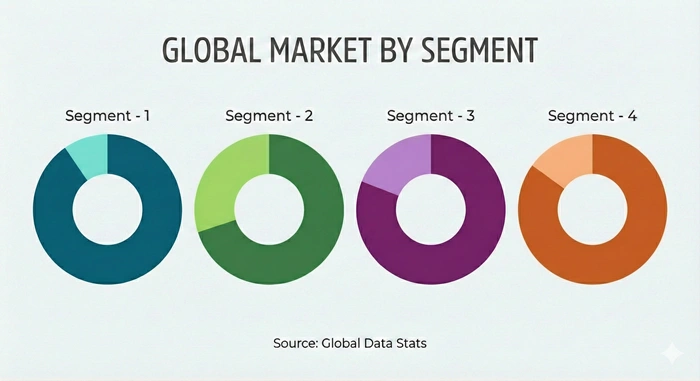
Polyvinyl acetate (PVA) dispersions command the largest share within the adhesives dispersions market, accounting for approximately 46% of global consumption with continued expansion projected at steady CAGR of 5.0% through 2033. This resin category encompasses vinyl acetate polymers dispersed in water creating versatile adhesive systems for diverse substrates. The adhesives dispersions market benefits from PVA advantages including proven performance, established manufacturing infrastructure, cost competitiveness, and compatibility with existing production facilities supporting widespread adoption across packaging, construction, and woodworking applications. Fourth-generation PVA dispersions incorporating advanced surfactants, stabilizers, and crosslinkers deliver enhanced bond strength, flexibility, and durability. Phthalate-based plasticizers providing superior flexibility maintain market leadership despite growing adoption of non-phthalate alternatives. Bulk-phase and emulsion polymerization processes utilizing PVA dispersions dominate commercial adhesive production.
Asia Pacific and Middle East lead PVA dispersions consumption within the market, driven by commodity adhesive production, integrated petrochemical complexes, and cost-sensitive applications. Chinese adhesive manufacturing producing over 20 million tons annually consumes substantial PVA dispersions volumes supporting packaging, construction, and woodworking applications. Indian polymer industry demonstrating rapid growth particularly packaging materials and construction products maintains consistent adhesive demand. Middle Eastern petrochemical producers including Saudi Arabia, UAE, and Qatar operating large-scale integrated facilities utilize PVA dispersions for export-oriented production. Leading adhesive manufacturers including 3M, Henkel, and Sika maintain PVA technology platforms serving commodity adhesive producers. Technology improvements including enhanced surfactant systems, improved morphology control, and reduced transition metal leaching extend adhesive capabilities. Price competitiveness supporting PVA preferences over premium polyurethane alternatives maintains segment dominance throughout forecast period.
By Application: Packaging
Operational Efficiency and Environmental Advantages Position Packaging Segment for Sustained Market Leadership
Packaging applications represent dominant segment within the adhesives dispersions market, accounting for approximately 42% of total consumption with continued expansion projected at robust CAGR of 5.6% through 2033. This application category encompasses flexible packaging, rigid containers, and protective materials requiring advanced adhesive solutions delivering superior bond strength, flexibility, and cost-effectiveness. The adhesives dispersions market benefits from packaging advantages including superior adhesion, enhanced processability, and environmental compliance supporting large-scale industrial operations. Flexible packaging applications including food packaging utilizing adhesives dispersions offering enhanced adhesion, moisture resistance, and optical clarity consume substantial volumes. Pharmaceutical packaging requiring sterile materials, chemical resistance, and regulatory compliance drives specialized adhesive adoption. E-commerce packaging growth particularly protective mailers, shipping containers, and void-fill materials creates concentrated demand. Rigid packaging including yogurt containers, beverage closures, and cosmetic packaging utilizes adhesives dispersions offering design flexibility and recyclability.
North America and Asia Pacific lead packaging-related adhesives dispersions consumption within the market, driven by extensive packaging production, environmental compliance requirements, and operational efficiency priorities. United States packaging capacity including flexible packaging and rigid container manufacturing predominantly utilizes adhesives dispersions demonstrating established infrastructure. Chinese packaging expansion including new world-scale facilities implements adhesives dispersions supporting capacity growth and environmental standards. European manufacturers maintaining packaging technologies demonstrate continued investment in existing infrastructure upgrades. Leading adhesive licensors including 3M licensing proprietary processes, Henkel offering advanced adhesive systems, and Sika providing catalyst solutions maintain market positions. Process advantages including 20-30% lower VOC emissions compared to solvent-based adhesives, elimination of solvent handling and recovery systems, and simplified grade transitions support continued technology adoption. Environmental benefits including reduced emissions and improved safety performance align with sustainability objectives supporting segment leadership throughout forecast period.
Regional Insights
Asia Pacific
Manufacturing Concentration and Polymer Consumption Establish Regional Dominance in Adhesives Dispersions Market
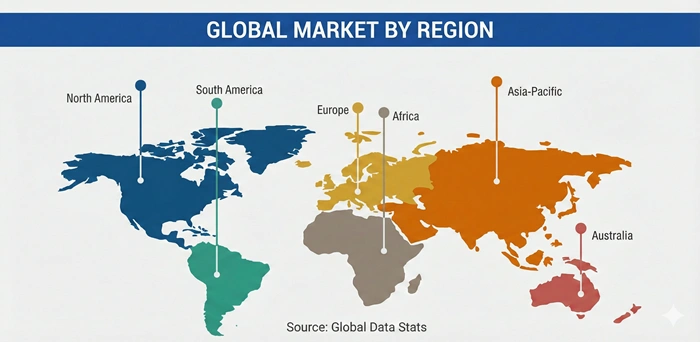
Asia Pacific commands the adhesives dispersions market with dominant share exceeding 48%, driven by extensive polymer manufacturing, packaging production, and construction development across China, India, Japan, and South Korea where rapid industrialization and export-oriented manufacturing create substantial adhesive consumption. China alone accounts for approximately 60% of Asia Pacific market share with adhesive production capacity exceeding 25 million tons annually supporting packaging, construction, and woodworking applications. Indian polymer industry demonstrating double-digit annual growth particularly packaging materials and construction products creates growing adhesive demand. Japanese chemical manufacturers maintaining advanced technology capabilities and high-quality adhesive production demonstrate consistent consumption. South Korean petrochemical sector including integrated complexes and downstream polymer processing maintains substantial demand supporting regional market position.
Regional industrial policies strengthen Asia Pacific's market position through manufacturing incentives, infrastructure investment, and export promotion supporting chemical industry development. Chinese government programs emphasizing advanced manufacturing, self-sufficiency in specialty chemicals, and technology leadership maintain substantial adhesives dispersions production and consumption growth. Indian government initiatives including Production Linked Incentive schemes and petrochemical investment zones promote domestic adhesive manufacturing capabilities. Japanese government programs supporting innovation, quality manufacturing, and export competitiveness advance adhesive technology development. Leading regional adhesive manufacturers including Sinopec Catalyst Company, Mitsui Chemicals, and LG Chem maintain supply chains serving polymer producers. The region's market dominance continues through 2033 as manufacturing growth, infrastructure development, and consumption expansion create sustained demand supporting continued leadership throughout forecast period.
Europe
Regulatory Leadership and Sustainability Focus Drive Fastest Regional Market Growth
Europe emerges as fastest-growing regional adhesives dispersions market with projected CAGR of 6.2% through 2033, propelled by sustainability regulations, advanced packaging technologies, construction industry innovation, and automotive manufacturing growth where European Union environmental directives, green building certifications, and advanced manufacturing initiatives create concentrated adhesive demand. European Union VOC regulations mandating reduced emissions from adhesives drive adoption of water-based systems. Green building certifications requiring sustainable materials and low-emission products drive adoption of adhesives dispersions across packaging and construction applications. Circular economy initiatives promoting recyclable materials and closed-loop systems drive innovation in adhesive formulations. Automotive manufacturers implementing lifecycle carbon reduction strategies consider bio-based adhesives for interior components. Government programs including European Green Deal funding for advanced manufacturing, research grants, and environmental incentives support technology development. Chemical companies investing in next-generation adhesive platforms, pilot facilities, and application development capabilities position for market leadership. The region's exceptional growth continues through 2033 as innovation, sustainability priorities, and premium applications create favorable dynamics supporting sustained market expansion throughout forecast period.
Top Key Players
-
3M Company (United States)
-
Henkel AG & Co. KGaA (Germany)
-
Sika AG (Switzerland)
-
Wacker Chemie AG (Germany)
-
BASF SE (Germany)
-
Dow Chemical Company (United States)
-
Huntsman Corporation (United States)
-
Evonik Industries AG (Germany)
-
AkzoNobel N.V. (Netherlands)
-
Daikin Industries, Ltd. (Japan)
-
Jowat SE (Germany)
-
Kleiberit Klebstoffe (Germany)
-
Weiss Chemie + Technik (Germany)
-
Cementos Capa (Spain)
-
Master Bond (United States)
Recent Developments
-
3M Company (2023-2025): Launched advanced low-VOC adhesives dispersions technology achieving superior bond strength through enhanced polymer architecture and crosslinking optimization, demonstrating leadership enabling packaging manufacturers and construction companies to achieve enhanced material performance, operational cost reductions, and sustainability targets while expanding licensing agreements with Asian adhesive producers supporting technology adoption across emerging markets.
-
Henkel AG & Co. KGaA (2024-2025): Expanded adhesives dispersions portfolio including next-generation water-based formulations providing exceptional bonding performance, improved environmental profile, and regulatory compliance, implementing pilot plant capabilities and application development resources while securing long-term supply agreements with major packaging producers supporting sustainable manufacturing initiatives and circular economy integration throughout forecast period.
-
Wacker Chemie AG (2024-2025): Advanced adhesives dispersions platform enabling precise polymer architecture control, enhanced durability, and diversified application opportunities demonstrating technology leadership in packaging innovation, construction material enhancement, and specialty adhesive production while establishing strategic partnerships with packaging companies and construction firms supporting market penetration and customer value creation.
-
Sika AG (2023-2024): Completed strategic investments in polyurethane dispersions technologies strengthening market position in environmental-friendly processes, developing sustainable adhesive formulations including bio-based components and recyclability-enhanced systems while expanding technical services capabilities providing process optimization, troubleshooting support, and application development supporting adhesive producers pursuing productivity improvements and sustainability compliance.
-
Sinopec Catalyst Co. Ltd. (2023-2025): Expanded production capacity for adhesives dispersions in China adding 30% additional manufacturing capability addressing growing domestic demand and export opportunities, implementing quality control technologies and automated production systems while developing proprietary adhesive formulations competing with international technology suppliers supporting Chinese adhesive industry self-sufficiency and competitiveness objectives.
Market Trends
Sustainability Integration and Advanced Technologies Reshape Industry Competitive Dynamics
The adhesives dispersions market experiences transformative trends centered on sustainability integration as circular economy principles, recycled content mandates, and environmental consciousness drive innovation toward recyclable adhesive design and chemical recycling compatibility. Manufacturers develop adhesives dispersions enabling multiple recycling cycles without significant property degradation supporting mechanical recycling infrastructure. Chemical recycling technologies utilizing specialized adhesives dispersions for depolymerization, purification, and repolymerization create closed-loop material flows. Bio-based adhesive production utilizing renewable polyols and advanced dispersions technology demonstrates growing commercialization. Reduced environmental footprint adhesives dispersions minimizing VOC emissions, eliminating hazardous components, and improving adhesive recovery support sustainability objectives. Life cycle assessment methodologies quantifying environmental impacts, carbon footprints, and circularity metrics inform product development and customer selection. These sustainability initiatives create competitive advantages as packaging companies, construction firms, and automotive manufacturers increasingly prioritize suppliers demonstrating environmental stewardship throughout forecast period.
Polyurethane dispersions technology advancement trends reshape the adhesives dispersions market as single-site polymer systems deliver superior bonding performance, enhanced durability, and premium application suitability. Polyurethane formulations enabling precise molecular weight distribution, controlled crosslink density, and narrow composition distribution produce high-performance adhesives competing with traditional materials. Random copolymer adhesive production utilizing polyurethane dispersions delivering exceptional bond strength, flexibility, and durability supports packaging applications. Reactor blending technologies combining PVA and polyurethane dispersions in series reactors optimize property balance and cost-effectiveness. Post-polyurethane dispersions development including constrained geometry systems and phenoxyimine-based formulations expands performance capabilities. Intellectual property landscape surrounding polyurethane technologies influences market dynamics and competitive positioning. These advanced adhesives dispersions command premium pricing, demonstrate growing adoption, and support market differentiation enabling manufacturers to capture value in high-performance adhesive segments throughout forecast period.
Segments Covered in the Report
By Resin Type
-
Polyvinyl Acetate (PVA) Dispersions (Vinyl Acetate Homopolymer, Vinyl Acetate Copolymers)
-
Polyurethane Dispersions (Single-Site Polyurethanes, Constrained Geometry)
-
Acrylic Dispersions (Emulsion Acrylics, Solution Acrylics)
-
Styrene Acrylic Dispersions (Styrene Acrylic Emulsions, Hybrid Systems)
-
Other Dispersions (Vinyl Acetate Ethylene, Polyvinyl Alcohol-Based)
By Application
-
Packaging (Flexible Packaging, Rigid Packaging, Labels)
-
Construction (Flooring Installation, Wall Panel Bonding, Insulation Board Bonding)
-
Automotive (Interior Components, Under-Hood Parts, Exterior Applications)
-
Footwear (Shoe Assembly, Sole Bonding, Upper Bonding)
-
Nonwovens (Hygiene Products, Medical Applications, Industrial Wipes)
By End-Use Industry
-
Packaging Industry (Food Packaging, Pharmaceutical Packaging, Consumer Goods)
-
Construction Industry (Residential, Commercial, Infrastructure)
-
Automotive Industry (Passenger Vehicles, Commercial Vehicles, Electric Vehicles)
-
Footwear Industry (Athletic Shoes, Casual Shoes, Safety Footwear)
-
Nonwovens Industry (Hygiene Products, Medical Devices, Industrial Applications)
By Region
-
North America (United States, Canada, Mexico)
-
Europe (Germany, France, United Kingdom, Italy, Spain, Rest of Europe)
-
Asia Pacific (China, India, Japan, South Korea, Southeast Asia, Rest of Asia Pacific)
-
Latin America (Brazil, Argentina, Rest of Latin America)
-
Middle East & Africa (Saudi Arabia, UAE, South Africa, Rest of MEA)
Frequently Asked Questions
Question 1: What is the projected size of the adhesives dispersions market by 2033?
Answer: The global adhesives dispersions market is expected to reach approximately USD 7.15 billion by 2033, growing from USD 4.70 billion in 2026. This substantial expansion reflects packaging industry growth, construction sector development, automotive lightweighting initiatives, and adhesive technology advancement across diverse adhesive applications worldwide.
Question 2: Which region dominates the adhesives dispersions market currently?
Answer: Asia Pacific leads the adhesives dispersions market with over 48% share, driven by extensive polymer manufacturing, packaging production, and construction development across China, India, Japan, and South Korea. Leading manufacturers including 3M, Henkel, and Sika maintain dominant positions serving regional adhesive producers and downstream manufacturers.
Question 3: What are the primary drivers of adhesives dispersions market growth?
Answer: Key growth drivers include packaging industry expansion requiring advanced adhesive solutions, construction sector growth supporting flooring and wall panel installation, automotive lightweighting pursuing fuel efficiency improvements, and sustainability regulations promoting low-VOC water-based systems. Circular economy initiatives promoting recyclable materials and closed-loop systems create additional market opportunities throughout forecast period.
Question 4: Which resin type holds the largest adhesives dispersions market share?
Answer: Polyvinyl acetate (PVA) dispersions dominate the adhesives dispersions market with approximately 46% share due to cost-effectiveness, proven performance, and widespread adoption across commodity adhesive production. These dispersions support packaging, construction, and woodworking applications demonstrating sustained consumption across cost-sensitive adhesive manufacturing operations.
Question 5: How do environmental regulations impact the adhesives dispersions market?
Answer: Environmental regulations drive sustainable adhesive development addressing VOC emissions, waste management, and safety requirements. Packaging companies, construction firms, and automotive manufacturers increasingly prioritize suppliers demonstrating environmental compliance and sustainability credentials. These regulatory pressures create opportunities for innovative adhesive technologies while constraining traditional solvent-based formulations supporting market transformation throughout forecast period.