
Action Camera Market Overview
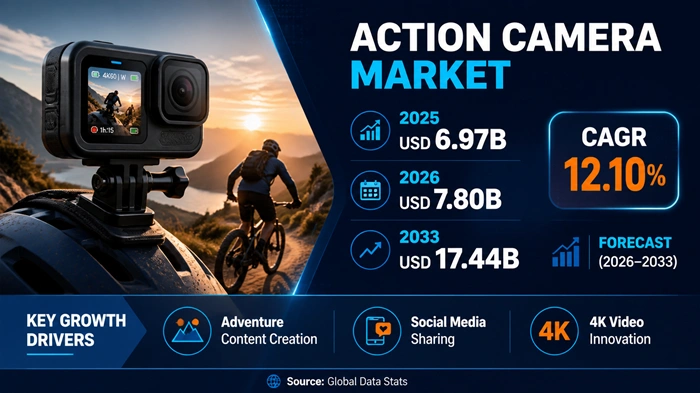
The global action camera market size is valued at USD 6.97 billion in 2025 and is predicted to increase from USD 7.80 billion in 2026 to approximately USD 17.44 billion by 2033, growing at a CAGR of 12.10% from 2026 to 2033.
This remarkable expansion reflects the surging popularity of adventure sports, outdoor recreation, and immersive content creation across social media platforms and professional broadcasting environments. The action camera market continues to attract diverse consumer segments ranging from extreme sports enthusiasts and travel vloggers to professional filmmakers and emergency service personnel who demand rugged, high-performance recording devices.
Modern action cameras have evolved beyond basic recording tools to become sophisticated devices equipped with advanced stabilization systems, ultra-high-definition capabilities, and artificial intelligence-powered features that automate editing and enhance footage quality. The integration of connectivity options such as Wi-Fi, Bluetooth, and GPS enables seamless content sharing and location tracking, which aligns perfectly with the digital-first lifestyles of contemporary consumers. The action camera market benefits significantly from technological innovations including 4K and 8K resolution recording, 360-degree capture capabilities, waterproof designs, and compact form factors that make these devices indispensable for capturing life's most thrilling moments in challenging environments.
AI Impact on the Action Camera Industry
Revolutionizing Content Creation Through Intelligent Automation and Enhanced User Experience
Artificial intelligence is fundamentally transforming the action camera market by introducing intelligent features that simplify content creation and elevate footage quality without requiring extensive technical expertise. AI-driven innovations such as advanced electronic image stabilization, real-time scene recognition, automatic subject tracking, and intelligent editing capabilities are reshaping how consumers capture and process video content. These technologies enable action cameras to automatically identify key moments, apply optimal settings based on environmental conditions, and generate highlight reels that eliminate tedious post-production work. The action camera market has witnessed accelerated adoption of AI-powered devices as manufacturers integrate machine learning algorithms that continuously improve performance through software updates and user behavior analysis.
The convergence of AI technology and action camera hardware creates unprecedented opportunities for both casual users and professional content creators who demand efficiency and quality in their workflow. Approximately 65% of tech-savvy consumers express willingness to pay premium prices for AI-enabled features that simplify content creation and deliver superior footage quality, according to recent market research. The action camera market benefits from AI integration through features like predictive maintenance that alerts users to potential hardware issues, adaptive exposure control that optimizes lighting in challenging conditions, and audio enhancement that filters background noise while preserving important sounds. Leading manufacturers including GoPro, DJI, Garmin, and Insta360 are investing heavily in AI development to differentiate their products and capture market share in an increasingly competitive landscape where technological innovation drives purchasing decisions.
Growth Factors
Multiple Converging Trends Accelerate Market Expansion Across Consumer and Professional Segments
The action camera market experiences robust growth driven by the explosive popularity of adventure tourism, extreme sports participation, and the creator economy that incentivizes high-quality video content production for social media monetization. Rising disposable incomes in emerging markets enable more consumers to invest in premium recording equipment, while the proliferation of digital platforms such as YouTube, Instagram, TikTok, and Twitch creates constant demand for engaging visual content that action cameras uniquely capture. The shift toward experiential lifestyles where individuals prioritize memorable activities over material possessions further propels action camera adoption as these devices document adventures and create shareable narratives. Professional applications in sports broadcasting, documentary filmmaking, law enforcement body cameras, and scientific research expand the total addressable market beyond recreational users into specialized commercial segments.
Technological advancements continuously push the boundaries of what action cameras can achieve, making them more accessible and appealing to broader demographics beyond hardcore enthusiasts. The introduction of 360-degree cameras that capture immersive environments, ultra-high-definition 4K and 8K recording that meets professional standards, and waterproof designs rated to significant depths enable usage in previously impossible scenarios. The action camera market benefits from improved battery life, enhanced connectivity for live streaming, and ecosystem expansion through compatible accessories such as gimbals, mounts, and protective housings that increase device versatility. Distribution channel evolution with strong e-commerce presence and direct-to-consumer models from leading brands reduces barriers to purchase and enables competitive pricing strategies that attract price-conscious consumers while maintaining healthy margins for manufacturers.
Market Outlook
Sustained Double-Digit Growth Expected Through Technological Innovation and Market Penetration
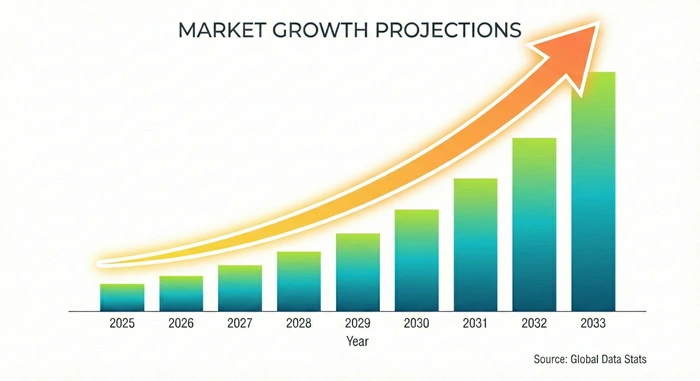
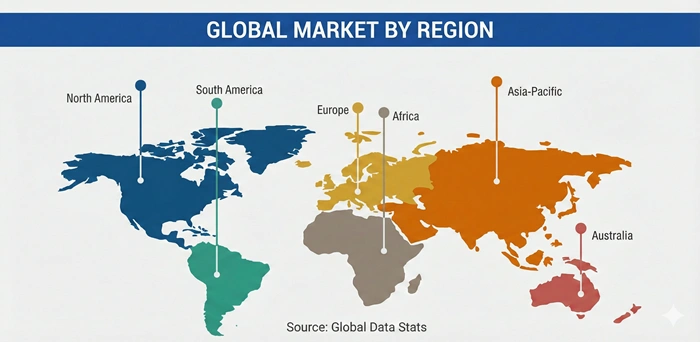
The action camera market outlook remains exceptionally positive through 2033 as multiple tailwinds converge to support sustained expansion across geographic regions and customer segments. North America continues to dominate with the largest market share driven by strong adventure sports culture, high disposable incomes, and established content creation ecosystems, while Asia Pacific emerges as the fastest-growing region with expanding middle-class populations, increasing social media penetration, and rising adventure tourism participation. The transition from niche extreme sports equipment to mainstream consumer electronics positions action cameras alongside smartphones and tablets as essential digital lifestyle devices. Market maturation in developed economies will be offset by accelerated adoption in emerging markets where improving economic conditions and digital infrastructure create favorable conditions for market entry.
Product innovation cycles remain aggressive as manufacturers compete on specifications, features, and price points to capture market share in a landscape dominated by established brands but increasingly open to disruptive newcomers. The action camera market will witness intensified competition as smartphone manufacturers consider entry through specialized attachments or dedicated devices, while traditional camera companies leverage imaging expertise to challenge pure-play action camera brands. Consumer preferences continue shifting toward devices offering comprehensive ecosystems with cloud storage, AI-powered editing apps, and subscription services that generate recurring revenue streams for manufacturers. Regulatory developments around privacy, drone usage, and public recording may create both challenges and opportunities depending on regional implementations and industry response to emerging policy frameworks.
Expert Speaks
-
Nick Woodman, CEO of GoPro, announced the company's strategic expansion into prosumer low-light cameras starting in 2026, targeting vloggers and professionals, which represents an important adjacent category for revenue growth beyond traditional action cameras.
-
Industry executives emphasize that AI-driven automation and intelligent editing capabilities reduce technical barriers for casual users while enhancing efficiency for advanced creators, fundamentally transforming how consumers interact with action camera devices and content creation workflows.
-
Garmin leadership highlighted their AI and LLM-based innovations at CES 2026, showcasing advanced conversational assistants and multi-angle intelligent recording systems that demonstrate the convergence of action cameras with broader smart technology ecosystems.
Key Report Takeaways
-
North America leads the action camera market with approximately 43% market share valued at USD 2.58 billion, driven by strong adventure sports culture, high disposable incomes, established retail networks, and thriving content creation ecosystems.
-
Asia Pacific represents the fastest-growing region with an expected CAGR of 13.40% from 2026 to 2033, fueled by surging adventure sports interest, affordable product launches, social media influencer activity, and strategic manufacturer expansion through local partnerships.
-
360-degree cameras constitute the fastest-growing product segment with a projected CAGR of 13.60% through 2033, driven by demand for immersive content creation, virtual reality compatibility, advanced stitching software, and adoption by travel vloggers, sports broadcasters, and real estate professionals.
-
Ultra HD (4K and higher) resolution cameras dominate quality-conscious segments as consumers and professionals demand cinematic content capabilities, with platform requirements and display technology adoption accelerating the transition from HD to ultra-high-definition recording standards.
-
Online distribution channels experience rapid expansion as manufacturers embrace direct-to-consumer models and partnerships with major e-commerce platforms like Amazon and eBay, improving product accessibility, competitive pricing, and global market reach.
-
Professional applications beyond recreational use expand market opportunities through adoption in sports broadcasting, filmmaking, law enforcement, emergency services, scientific research, and industrial documentation where rugged, high-quality recording capabilities deliver operational value.
Market Scope
| Report Coverage | Details |
|---|---|
| Market Size by 2033 | USD 17.44 Billion |
| Market Size by 2025 | USD 6.97 Billion |
| Market Size by 2026 | USD 7.80 Billion |
| Market Growth Rate from 2026 to 2033 | CAGR of 12.10% |
| Dominating Region | North America |
| Fastest Growing Region | Asia Pacific |
| Base Year | 2025 |
| Forecast Period | 2026 to 2033 |
| Segments Covered | Type, Resolution, Distribution Channel, Application, End User |
| Regions Covered | North America, Europe, Asia Pacific, Latin America, Middle East & Africa |
Market Dynamics
Drivers Impact Analysis
Surging Demand for High-Quality Content Creation Fuels Market Acceleration
| Impact Factor | (≈) % Impact on CAGR Forecast | Geographic Relevance | Impact Timeline |
|---|---|---|---|
| Adventure Sports & Tourism Growth | 3.2% | Global (Strongest in Asia Pacific, North America) | 2026-2033 |
| Social Media & Creator Economy | 2.8% | Global (Particularly Urban Areas) | 2026-2033 |
| Technological Innovation (AI, 8K, Stabilization) | 2.5% | Global (Led by Developed Markets) | 2026-2033 |
| E-commerce & Distribution Expansion | 1.9% | Emerging Markets Focus | 2026-2033 |
| Professional Application Diversification | 1.7% | North America, Europe | 2026-2033 |
The action camera market experiences significant momentum from the global surge in adventure tourism and extreme sports participation, which creates organic demand for durable, high-performance recording devices that capture thrilling experiences. Consumer behavior has fundamentally shifted toward experiential lifestyles where individuals prioritize creating and sharing memories through visual content rather than simply accumulating material possessions. This cultural transformation aligns perfectly with action camera capabilities, as these devices enable users to document activities ranging from surfing and mountain biking to skydiving and rock climbing in environments where traditional cameras fail. The proliferation of social media platforms with video-first algorithms incentivizes content creation by offering monetization opportunities, brand partnerships, and audience building potential that transforms casual hobbyists into professional creators who demand superior equipment.
Technological innovation continues accelerating at unprecedented rates, with manufacturers integrating cutting-edge features such as artificial intelligence-powered stabilization, 8K video recording, real-time scene optimization, and 360-degree immersive capture that were impossible just years ago. The action camera market benefits from rapid improvements in sensor technology, processor efficiency, battery capacity, and connectivity standards that collectively enhance user experience while reducing device size and weight. These advancements lower entry barriers for novice users through automation and intelligent assistance while simultaneously providing professional-grade capabilities that satisfy demanding commercial applications. Distribution evolution through robust e-commerce channels, direct manufacturer sales platforms, and global logistics networks ensures product accessibility across geographic markets, enabling competitive pricing strategies and convenient purchasing experiences that drive adoption rates upward across diverse demographic segments.
Restraints Impact Analysis
Market Growth Tempered by Competition and Economic Sensitivities
| Impact Factor | (≈) % Impact on CAGR Forecast | Geographic Relevance | Impact Timeline |
|---|---|---|---|
| Smartphone Camera Competition | -1.8% | Global | 2026-2033 |
| High Premium Product Pricing | -1.3% | Emerging Markets | 2026-2030 |
| Privacy & Regulatory Concerns | -0.9% | Europe, Developed Markets | 2027-2033 |
| Market Saturation in Mature Segments | -0.7% | North America, Western Europe | 2029-2033 |
| Economic Uncertainty & Discretionary Spending | -0.6% | Global | Variable |
The action camera market faces persistent challenges from smartphone manufacturers who continuously enhance built-in camera capabilities, introducing features such as cinematic stabilization, water resistance, and action modes that narrow the performance gap with dedicated action cameras. High-end smartphones now offer 4K video recording, advanced computational photography, and rugged designs that satisfy casual users who prioritize convenience and multifunctionality over specialized performance. This convergence creates competitive pressure particularly in entry-level and mid-range market segments where price-conscious consumers may opt for smartphone upgrades rather than separate action camera purchases. The convenience of carrying a single device that handles communication, navigation, and content creation appeals to mainstream consumers who engage in occasional recreational activities rather than extreme sports requiring specialized equipment.
Premium action camera pricing creates affordability barriers in emerging markets where economic conditions and lower disposable incomes limit adoption rates despite strong interest in adventure activities and content creation. The action camera market must navigate economic uncertainties including inflation, currency fluctuations, and discretionary spending reductions that disproportionately impact non-essential consumer electronics purchases. Regulatory developments around privacy, public recording restrictions, and drone-related legislation potentially constrain usage scenarios and create compliance burdens for manufacturers. Market saturation in developed regions where early adopters have already purchased devices extends replacement cycles and demands continuous innovation to incentivize upgrades, placing pressure on research and development budgets while potentially compressing profit margins through promotional pricing strategies designed to stimulate demand.
Opportunities Impact Analysis
Emerging Technologies and Market Segments Create Expansion Pathways
| Impact Factor | (≈) % Impact on CAGR Forecast | Geographic Relevance | Impact Timeline |
|---|---|---|---|
| AI Integration & Automation | 2.4% | Global (Led by Tech-Forward Markets) | 2026-2033 |
| Emerging Market Penetration | 2.1% | Asia Pacific, Latin America, Africa | 2026-2033 |
| Professional B2B Applications | 1.6% | North America, Europe | 2026-2033 |
| Subscription & Ecosystem Revenue | 1.3% | Global | 2027-2033 |
| Sustainability & Circular Economy | 0.8% | Europe, North America | 2028-2033 |
The action camera market stands to gain substantially from artificial intelligence integration that transforms devices from passive recording tools into intelligent content creation assistants capable of automatic editing, scene optimization, and predictive performance adjustments. Consumer research indicates strong willingness to pay premium prices for AI-enabled features that reduce technical complexity and enhance output quality, creating profitable differentiation opportunities for innovative manufacturers. Machine learning algorithms that improve through usage, cloud-based processing that offloads computational demands from device hardware, and personalized content recommendations that help users discover optimal settings represent high-value additions that justify premium positioning and generate recurring revenue through subscription services offering advanced capabilities.
Untapped potential exists in emerging markets where rising middle-class populations, improving digital infrastructure, and increasing adventure tourism participation create favorable conditions for accelerated adoption. The action camera market can expand total addressable markets by developing affordable product lines specifically designed for price-sensitive regions, establishing local manufacturing or assembly operations that reduce costs and improve supply chain efficiency, and partnering with regional distributors and e-commerce platforms that understand local consumer preferences and purchasing behaviors. Business-to-business opportunities in professional sectors including industrial inspection, security and surveillance, scientific research, healthcare documentation, and corporate training provide stable revenue streams less susceptible to consumer discretionary spending fluctuations. Ecosystem monetization through cloud storage subscriptions, premium editing software, marketplace accessories, and content licensing platforms creates recurring revenue that improves financial stability and increases customer lifetime value beyond initial hardware sales.
Segment Analysis
By Type
360-Degree Cameras Emerge as Fastest-Growing Segment with Immersive Content Demand
The 360-degree camera segment demonstrates exceptional growth momentum with a projected CAGR of 13.60% from 2026 to 2033, significantly outpacing traditional action camera formats as content creators and consumers increasingly demand immersive capture capabilities that document complete environments rather than limited fields of view. This segment benefits from technological maturation in stitching algorithms that seamlessly combine multiple lens inputs into cohesive spherical videos, compatibility with virtual reality platforms that enable experiential content consumption, and post-production flexibility allowing users to reframe shots and choose optimal perspectives after recording completes. The action camera market witnesses accelerated 360-degree adoption among travel vloggers who create engaging destination content, real estate professionals showcasing properties through virtual tours, sports broadcasters capturing comprehensive game coverage, and event documentarians preserving complete experiential records.
Regional adoption patterns show particularly strong growth in Asia Pacific markets where social media platforms emphasize innovative content formats and younger demographics demonstrate higher receptivity to emerging technologies compared to traditional devices. Leading manufacturers including Insta360 command dominant market positions with 67% share in the global 360-degree camera category according to industry analysis, while established action camera brands expand portfolios to capture growing segment demand. The action camera market benefits from declining production costs as component suppliers achieve economies of scale, improved software ecosystems that simplify editing and sharing workflows, and expanding use cases in commercial applications such as facility documentation, training simulations, and remote collaboration that extend beyond consumer recreational activities. Premium pricing strategies remain viable as enthusiasts and professionals recognize unique value propositions that justify investment despite higher costs compared to standard action cameras.
By Resolution
Ultra HD (4K and Higher) Dominates Quality-Conscious Segment with Professional Demands
The Ultra HD resolution segment encompassing 4K, 6K, and emerging 8K recording capabilities captures majority market share and demonstrates sustained high growth as consumers and professionals demand cinematic-quality output that meets evolving content platform standards and viewing device capabilities. The action camera market transformation toward higher resolutions reflects broader consumer electronics trends where 4K televisions achieve mainstream penetration, streaming platforms prioritize ultra-high-definition content, and social media algorithms favor superior visual quality in recommendation systems. Professional filmmakers, commercial content producers, and serious enthusiasts require maximum resolution for downstream editing flexibility including digital stabilization that crops footage, slow-motion effects that benefit from higher frame data, and future-proofing against escalating quality expectations.
Regional distribution shows North American and European markets leading ultra HD adoption with approximately 58% segment penetration driven by higher disposable incomes, established professional content creation industries, and consumer electronics ecosystem maturity supporting 4K displays and editing workflows. The action camera market witnesses leading brands including GoPro, DJI, Sony, and Garmin competing aggressively on resolution specifications while balancing storage requirements, battery consumption, and processing demands that accompany higher-definition recording. Technical innovations in video compression standards, efficient processor architectures, and high-capacity storage media enable practical ultra HD implementation without prohibitive costs or usage limitations. Market dynamics indicate continued segment growth with CAGR projections exceeding overall market averages as standard definition and HD variants migrate toward legacy status, though affordability considerations maintain demand for lower-resolution options in price-sensitive markets and entry-level product tiers.
Regional Insights
North America
Market Leadership Sustained Through Established Infrastructure and Content Creation Culture
North America maintains dominant action camera market leadership with approximately 43% global share representing USD 2.58 billion in valuation, reflecting the region's deeply embedded adventure sports culture, high per-capita disposable incomes, and robust content creation ecosystems that drive both recreational and professional adoption. The regional market benefits from extensive outdoor recreation infrastructure including national parks, ski resorts, coastal destinations, and adventure tourism facilities that encourage activities where action cameras excel, while social media platform headquarters and influencer concentration create organic demand for superior recording equipment. Consumer electronics retail sophistication through both physical specialty stores and dominant e-commerce channels ensures product accessibility, competitive pricing through market transparency, and comprehensive after-sales support that reduces purchase hesitancy.
The action camera market in North America demonstrates CAGR of approximately 11.40% from 2026 to 2033 as market maturation in some segments is offset by innovation-driven upgrades, expanding professional applications, and demographic penetration beyond core enthusiast groups into mainstream lifestyle consumers. Leading companies dominating the regional landscape include GoPro (United States) which maintains home market advantages through brand recognition and distribution relationships, Garmin (United States) leveraging GPS technology integration and outdoor specialty positioning, Sony (Japan) offering premium imaging quality targeting professional segments, and DJI (China) gaining significant share through technological innovation and competitive pricing strategies. Market dynamics include intensifying competition as traditional camera manufacturers explore action camera adjacencies, smartphone brands consider specialized accessories or standalone devices, and startup entrants target niche applications with innovative form factors or unique feature combinations.
Asia Pacific
Fastest Regional Growth Powered by Economic Development and Digital Adoption
Asia Pacific emerges as the fastest-growing regional action camera market with exceptional CAGR of 13.40% from 2026 to 2033, driven by surging middle-class populations with increasing discretionary incomes, explosive social media adoption creating content creation incentives, and rising adventure tourism participation as economic development enables experiential spending. The regional market benefits from youthful demographics demonstrating high technology receptivity, urbanization trends concentrating populations in areas with strong digital infrastructure and retail access, and cultural shifts toward Western lifestyle adoption including outdoor recreation and sports activities. Manufacturing presence within the region enables competitive pricing strategies through reduced logistics costs and tariff advantages, while local brands understand consumer preferences and price sensitivities better than international competitors.
The action camera market in Asia Pacific demonstrates particularly strong growth in China, India, Southeast Asian nations, and Australia where diverse economic conditions create opportunities across price tiers from budget-conscious entry products to premium professional equipment. Regional market leaders include Insta360 (China) which commands 67% of the global 360-degree camera segment and ranks second overall in action cameras with 13% share, DJI (China) holding dominant 66% global action camera market share according to Q3 2025 reports through aggressive innovation and vertical integration advantages, GoPro (United States) maintaining presence through brand prestige despite regional competitor pressures, and Yi Technology (China) targeting value segments with competitive specifications at accessible price points. Market expansion strategies emphasize affordable product development with advanced features, local partnership establishment for distribution and marketing, multilingual interface implementation, and culturally relevant accessory offerings that accommodate regional preferences and usage patterns distinct from Western markets.
Top Key Players
-
GoPro Inc. (United States)
-
DJI (China)
-
Insta360 (China)
-
Sony Corporation (Japan)
-
Garmin Limited (United States)
-
Nikon Corporation (Japan)
-
Olympus Corporation (Japan)
-
Panasonic Corporation (Japan)
-
TomTom NV (Netherlands)
-
Drift Innovation (United Kingdom)
-
Yi Technology (China)
-
Veho (United Kingdom)
-
Rollei GmbH & Co. KG (Germany)
-
Kodak (United States)
-
Canon Inc. (Japan)
Recent Developments
-
Insta360 (2025): Reported exceptional 92.64% revenue growth in Q3 2025 reaching 2.94 billion yuan (USD 413 million), launched Antigravity brand entering drone market with first product featuring 360-degree visibility goggles, demonstrating strategic diversification beyond core action camera business.
-
DJI (2025): Achieved commanding 66% global action camera market share according to Q3 2025 Jiuqian Consulting report, captured 43% of 360-degree camera market with Osmo 360 announcement, maintained number one position in outdoor 360-degree action camera sales for 49 consecutive days reflecting dominant competitive position.
-
GoPro (2025): CEO Nick Woodman announced strategic expansion into prosumer low-light camera category targeting vloggers and professionals starting in 2026, confirmed launch of two new cameras including Max 2 360 camera by end of 2025, revealed hardware-integrated motorcycle helmet development plans expanding ecosystem beyond standalone cameras.
-
Garmin (2026): Unveiled Unified Cabin 2026 at CES featuring AI and LLM-based conversational virtual assistant for automotive applications with seat-aware video recording, showcasing advanced artificial intelligence integration expertise applicable to action camera product lines and smart device ecosystems.
-
Sony (2025): Continued emphasis on premium imaging sensor technology and professional-grade stabilization systems, maintained strong positioning in prosumer and professional action camera segments through superior low-light performance and compatibility with broader camera ecosystem accessories and workflow integration.
Market Trends
Technology Convergence and Ecosystem Expansion Reshape Competitive Landscape
The action camera market experiences fundamental transformation as devices evolve from standalone recording tools into integrated ecosystem components offering cloud storage, AI-powered editing applications, social media connectivity, and subscription-based premium features that generate recurring revenue beyond initial hardware sales. Manufacturers increasingly emphasize software differentiation alongside hardware specifications, recognizing that user experience, workflow efficiency, and content sharing convenience influence purchasing decisions as significantly as technical capabilities such as resolution or frame rates. This strategic shift mirrors broader consumer electronics industry trends where ecosystem lock-in and service monetization improve customer lifetime value and financial performance stability. The action camera market witnesses intensified competition as established brands defend market positions through continuous innovation while nimble startups and adjacent category players explore disruptive opportunities through specialized features, alternative business models, or targeted niche applications.
Sustainability considerations gain prominence as environmentally conscious consumers demand responsible manufacturing practices, recyclable materials, product longevity through repairability, and trade-in programs that reduce electronic waste while offering upgrade pathways. The action camera market responds through modular designs enabling component replacement rather than complete device disposal, battery technology investments improving cycle life and reducing hazardous material content, and packaging innovations minimizing environmental impact through recycled materials and reduced volume. Regulatory developments around right-to-repair legislation, extended producer responsibility, and circular economy initiatives create both compliance requirements and competitive differentiation opportunities for brands demonstrating genuine sustainability commitment beyond superficial marketing claims. Distribution channel evolution continues favoring direct-to-consumer models that improve margin capture, enable personalized customer relationships, and provide valuable usage data informing product development, though traditional retail partnerships remain important for physical product interaction and immediate availability meeting impulse purchase behaviors.
Segments Covered in the Report
By Type:
-
Traditional Action Cameras
-
360-Degree Action Cameras
By Resolution:
-
Standard Definition
-
HD (High Definition)
-
Full HD
-
Ultra HD (4K and Higher)
By Distribution Channel:
-
Online Retail
-
Offline Retail
-
Direct Sales
By Application:
-
Sports and Adventure Activities
-
Travel and Tourism
-
Emergency Services
-
Professional Broadcasting
-
Security and Surveillance
-
Other Applications
By End User:
-
Individual Consumers
-
Professional Users
-
Commercial Enterprises
By Region:
-
North America (United States, Canada, Mexico)
-
Europe (United Kingdom, Germany, France, Italy, Spain, Rest of Europe)
-
Asia Pacific (China, Japan, India, Australia, South Korea, Southeast Asia, Rest of Asia Pacific)
-
Latin America (Brazil, Argentina, Rest of Latin America)
-
Middle East & Africa (UAE, Saudi Arabia, South Africa, Rest of MEA)
Frequently Asked Questions
Question 1: What is the action camera market size and growth forecast?
Answer: The global action camera market is valued at USD 6.97 billion in 2025 and projected to reach USD 17.44 billion by 2033, growing at a CAGR of 12.10% from 2026 to 2033.
Question 2: Which region dominates the action camera market currently?
Answer: North America leads the action camera market with approximately 43% market share valued at USD 2.58 billion, driven by adventure sports culture and high disposable incomes. Asia Pacific represents the fastest-growing region with 13.40% CAGR.
Question 3: What are the key drivers of action camera market growth?
Answer: Primary growth drivers include rising adventure tourism and extreme sports participation, social media content creation demand, technological innovations like AI integration and 8K recording, and expanding professional applications. E-commerce channel expansion also accelerates market accessibility.
Question 4: Which companies lead the global action camera market?
Answer: Market leaders include DJI with 66% global share, GoPro as the traditional market leader particularly in North America, Insta360 dominating 360-degree cameras with 67% segment share, and Sony and Garmin serving premium professional segments.
Question 5: How is AI technology impacting the action camera market?
Answer: AI integration revolutionizes the action camera market through intelligent stabilization, automatic scene recognition, subject tracking, and automated editing that simplifies content creation. Approximately 65% of consumers show willingness to pay premiums for AI-enabled features.