
Abrasives Market Overview
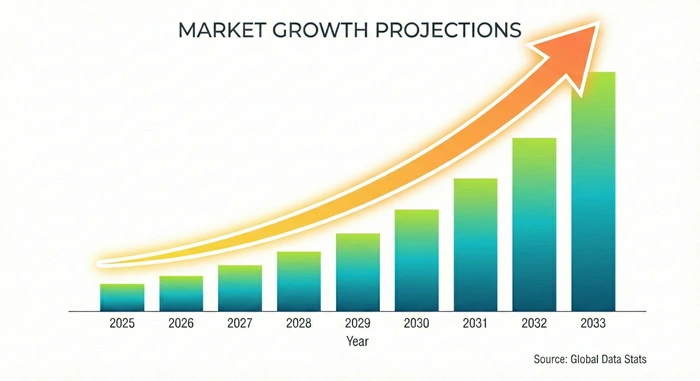
The global abrasives market size is valued at USD 44.23 billion in 2025 and is predicted to increase from USD 46.50 billion in 2026 to approximately USD 68.92 billion by 2033, growing at a CAGR of 5.14% from 2026 to 2033.
The industry supplies essential materials for removing, shaping, and finishing surfaces across countless manufacturing operations worldwide. These specialized products include grinding wheels, sanding belts, polishing compounds, and cutting discs serving metalworking, woodworking, and precision manufacturing applications. Production facilities around the globe manufacture billions of units annually through bonding, coating, and sintering processes using both natural and synthetic abrasive grains.
The sector represents critical infrastructure supporting modern manufacturing economies where surface preparation, material removal, and precision finishing determine product quality and production efficiency. Rising industrial automation and growing manufacturing output drive steady demand for advanced abrasive solutions. Countries invest heavily in production capacity and material innovation to meet increasing requirements while advancing performance through engineered grain structures and optimized bonding systems.

AI Impact on the Abrasives Industry
Enhancing Manufacturing Precision and Process Optimization Through Smart Technologies
Artificial intelligence has started revolutionizing how manufacturers optimize grinding processes and predict tool life across metalworking operations. Modern AI systems analyze real-time data from grinding machines monitoring spindle load, vibration signatures, acoustic emissions, and thermal patterns to identify optimal operating parameters maximizing material removal rates while minimizing wheel wear. These technologies help production engineers adjust feed rates, wheel speeds, and coolant flow automatically based on predictive algorithms learning from thousands of grinding cycles. Machine learning models detect subtle process variations indicating developing wheel imbalance, dressing requirements, or workpiece material inconsistencies enabling proactive adjustments preventing quality defects and reducing scrap rates.
Predictive maintenance powered by AI enables manufacturers to forecast abrasive tool replacement timing with unprecedented accuracy based on actual wear patterns rather than arbitrary time intervals. Sensors throughout fabrication facilities collect data on grinding forces, power consumption, surface finish measurements, and dimensional accuracy feeding AI models that predict remaining tool life under specific operating conditions. This capability allows maintenance teams to schedule wheel changes during planned downtime rather than experiencing unexpected failures disrupting production schedules. Computer vision systems inspect finished surfaces identifying defects, scratches, or inconsistent finishes that manual inspection might miss during quality control processes ensuring consistent output meeting customer specifications.
Growth Factors
Automotive Production and Metal Fabrication Expansion Driving Sustained Demand
The global automotive manufacturing sector creates fundamental demand for the abrasives market as vehicle production requires extensive grinding, polishing, and finishing operations across engine components, transmission parts, body panels, and countless other applications. Modern automotive plants consume millions of grinding wheels, sanding belts, and polishing compounds annually for crankshaft grinding, camshaft finishing, gear honing, and surface preparation before painting operations. The shift toward electric vehicles accelerates demand for precision abrasives as battery components, electric motor rotors, and power electronics require extremely tight tolerances and superior surface finishes affecting performance, efficiency, and reliability. Automotive lightweighting trends drive consumption of specialized abrasives optimized for aluminum, magnesium, and composite materials replacing traditional steel construction.
Metal fabrication industry growth across construction, machinery, and industrial equipment sectors sustains robust volumes as fabricators require abrasive products for cutting structural steel, grinding weld joints, deburring machined components, and preparing surfaces for protective coatings. Infrastructure development programs worldwide consume substantial quantities of cutting wheels and grinding discs for construction equipment, pipeline fabrication, shipbuilding, and structural steel preparation. The machinery manufacturing sector depends heavily on precision grinding operations producing bearings, hydraulic components, machine tool ways, and countless other parts requiring precise dimensional control and superior surface finishes achievable only through advanced abrasive processes. Industrial maintenance and repair operations provide stable recurring demand as facilities regularly replace abrasive consumables supporting equipment upkeep and component refurbishment extending asset service lives.
Market Outlook
Regional Manufacturing Dynamics and Technology Evolution Shaping Industry Direction
Asia Pacific maintains its commanding market position as both the largest production center and fastest-growing consumption region, driven by massive manufacturing sectors, expanding automotive production, and substantial metal fabrication capacity. The region benefits from vertically integrated supply chains spanning raw material processing, abrasive grain production, tool manufacturing, and downstream industrial applications concentrated in China, India, Japan, and South Korea. Production capacity continues expanding throughout Asia as global manufacturers establish operations capturing growing local demand while serving export markets through cost-competitive manufacturing and efficient logistics infrastructure. Regional governments support industrial development through infrastructure investment, technical education programs, and favorable policies attracting substantial foreign investment in manufacturing facilities.
Technology advancement increasingly focuses on engineered abrasive grains featuring controlled microstructures that deliver superior cutting performance, longer tool life, and more consistent material removal compared to conventional crushed grains. Manufacturers develop ceramic aluminum oxide formulations with optimized crystal structures that fracture in controlled patterns exposing fresh cutting edges maintaining grinding efficiency throughout tool life. Seeded gel technology enables precise control over grain size distribution and crystal morphology achieving performance improvements in demanding applications including aerospace alloy grinding and precision bearing manufacturing. Bonding system innovations incorporating advanced resins, vitrified materials, and metal matrices optimize abrasive retention, porosity, and thermal properties matching specific application requirements across grinding, cutting, and polishing operations.
Expert Speaks
-
Mike Roman, former CEO of 3M – "Our abrasives business continues driving innovation through material science breakthroughs and digital technologies transforming manufacturing productivity. Precision-shaped ceramic grains and smart grinding solutions deliver measurable performance advantages helping customers reduce costs while improving quality across automotive, aerospace, and metal fabrication applications."
-
Benoît Potier, CEO of Air Liquide – "Industrial manufacturing evolution toward automation and precision creates growing demand for advanced abrasive solutions enabling tighter tolerances and superior surface finishes. Our industrial gases play crucial roles in abrasive manufacturing and application processes supporting customer productivity and sustainability objectives."
-
Martin Brudermüller, CEO of BASF – "The abrasives industry exemplifies how materials innovation drives manufacturing competitiveness across sectors. Our chemical intermediates support abrasive production while application development partnerships help customers optimize processes achieving efficiency gains and environmental improvements through advanced material solutions."
Key Report Takeaways
-
Asia Pacific dominates the global abrasives market with approximately 55% market share, powered by massive manufacturing capacity, expanding automotive production, and substantial metal fabrication activity across China, India, Japan, and South Korea driving both regional production leadership and consumption growth
-
Asia Pacific also represents the fastest-growing region with projected CAGR exceeding 5.8% through 2033, driven by continued industrialization, infrastructure investment, automotive sector expansion, and substantial foreign manufacturing investments establishing production facilities serving domestic markets and global exports
-
Bonded abrasives lead product categories capturing roughly 43% market share as grinding wheels, mounted points, and segments serve metalworking, foundry, and construction applications requiring precision material removal across steel, aluminum, and specialty alloy machining operations
-
Automotive end-use sector dominates applications accounting for approximately 35% of consumption as vehicle manufacturing requires extensive grinding, polishing, and finishing operations across powertrain components, body panels, and countless other automotive parts demanding tight tolerances and superior surface quality
-
Synthetic abrasives command material segments holding about 66% market share thanks to consistent performance characteristics, controlled grain morphology, and superior cutting efficiency compared to natural alternatives across demanding industrial applications requiring predictable tool life and material removal rates
-
Super abrasives show strongest growth trajectory among product types with highest projected CAGR approaching 6.2% as precision manufacturing, aerospace machining, and advanced ceramics processing drive demand for diamond and cubic boron nitride products serving applications requiring extreme hardness and thermal stability
Market Scope
| Report Coverage | Details |
|---|---|
| Market Size by 2033 | USD 68.92 Billion |
| Market Size by 2025 | USD 44.23 Billion |
| Market Size by 2026 | USD 46.50 Billion |
| Market Growth Rate from 2026 to 2033 | CAGR of 5.14% |
| Dominating Region | Asia Pacific |
| Fastest Growing Region | Asia Pacific |
| Base Year | 2025 |
| Forecast Period | 2026 to 2033 |
| Segments Covered | Product Type, Material, Application, End-Use Industry, Region |
| Regions Covered | North America, Europe, Asia Pacific, Latin America, Middle East & Africa |
Market Dynamics
Drivers Impact Analysis
Multiple Industrial Sectors Supporting Robust Market Expansion
| Driver | Impact on CAGR Forecast | Geographic Relevance | Impact Timeline |
|---|---|---|---|
| Automotive production growth and vehicle electrification | ≈ 1.6% positive impact | Global, strongest in Asia Pacific | Immediate and long-term |
| Metal fabrication and machinery manufacturing expansion | ≈ 1.3% positive impact | Global, particularly emerging markets | Immediate and long-term |
| Infrastructure development driving construction equipment demand | ≈ 0.9% positive impact | Asia Pacific, Middle East, Latin America | Immediate |
| Aerospace and precision manufacturing requirements | ≈ 0.7% positive impact | North America, Europe | Medium to long-term |
Automotive sector expansion creates sustained demand for the abrasives market as global vehicle production approaching 100 million units annually requires billions of abrasive products across engine manufacturing, transmission assembly, body fabrication, and finishing operations. Crankshaft and camshaft grinding alone consume enormous quantities of grinding wheels as precision tolerances measured in microns determine engine performance, efficiency, and durability. Electric vehicle production accelerates abrasive demand despite eliminating traditional powertrains because battery components, electric motors, power electronics, and structural elements require extensive grinding, polishing, and surface preparation operations. Automotive manufacturers continuously pursue productivity improvements through optimized abrasive solutions delivering faster material removal rates, longer tool life, and improved surface finishes reducing cycle times and manufacturing costs per vehicle.
Metal fabrication growth across construction, machinery, shipbuilding, and industrial equipment sectors drives substantial abrasive consumption as fabricators perform millions of cutting, grinding, and finishing operations daily. Structural steel fabrication for buildings, bridges, and infrastructure projects requires cutting wheels separating rolled sections and grinding discs smoothing weld joints and preparing surfaces for protective coatings. Job shops and contract manufacturers serving diverse industries maintain extensive abrasive inventories supporting custom fabrication work spanning materials from mild steel through stainless alloys, aluminum, and exotic metals. Industrial maintenance operations provide stable recurring demand as facilities regularly replace grinding wheels, sanding belts, and polishing compounds supporting equipment repairs and component refurbishment extending operational asset lives.
Restraints Impact Analysis
Challenges Creating Market Growth Headwinds
| Restraint | Impact on CAGR Forecast | Geographic Relevance | Impact Timeline |
|---|---|---|---|
| Raw material price volatility affecting production costs | ≈ 0.7% negative impact | Global | Immediate |
| Alternative material removal technologies competing | ≈ 0.6% negative impact | Developed markets, selective applications | Medium to long-term |
| Environmental regulations addressing dust and disposal | ≈ 0.5% negative impact | Europe, North America | Immediate and long-term |
| Economic cycles affecting manufacturing activity | ≈ 0.8% negative impact | Global | Short to medium-term |
Raw material cost fluctuations create margin pressure for the abrasives market as prices for aluminum oxide, silicon carbide, synthetic diamonds, and bonding materials vary with commodity markets, energy costs, and supply-demand dynamics. Aluminum oxide production depends heavily on electricity costs for smelting bauxite-derived alumina creating regional cost disparities favoring hydroelectric power regions. Synthetic diamond and cubic boron nitride prices fluctuate based on production capacity utilization and technology improvements affecting manufacturing economics. Resin bond systems depend on petrochemical feedstocks subject to oil price movements while vitrified bonds require specialized clays and feldspar materials with limited sourcing options. Manufacturers struggle passing through sudden cost increases to customers operating under fixed-price supply agreements while absorbing margin compression during inflationary periods affecting profitability.
Alternative material removal technologies including laser cutting, waterjet machining, and electrochemical grinding compete with conventional abrasive processes in specific applications offering advantages in heat-sensitive materials, complex geometries, or extremely hard substances. Laser systems eliminate tool wear and contamination concerns while providing precise control for intricate cutting patterns in sheet metal fabrication. Waterjet technology cuts virtually any material without heat-affected zones or mechanical stresses that potentially distort workpieces. These alternatives gain share in premium applications where process advantages justify higher capital equipment costs and operational complexities compared to established abrasive methods proven over decades across diverse materials and geometries.
Opportunities Impact Analysis
Emerging Growth Avenues and Market Development Potential
| Opportunity | Impact on CAGR Forecast | Geographic Relevance | Impact Timeline |
|---|---|---|---|
| Advanced ceramic and engineered grain development | ≈ 1.2% positive impact | Global | Medium to long-term |
| Precision manufacturing and aerospace sector growth | ≈ 0.9% positive impact | Developed markets initially | Medium to long-term |
| Emerging market industrialization and capacity expansion | ≈ 1.4% positive impact | Asia Pacific, Latin America, Africa | Immediate and long-term |
| Automation and robotic grinding system adoption | ≈ 0.8% positive impact | Global, led by developed markets | Medium-term |
Advanced abrasive grain engineering creates premium opportunities for the abrasives market as manufacturers develop ceramic aluminum oxide formulations with controlled microstructures delivering superior performance compared to conventional fused grains. Seeded gel technology enables precise crystal structure control producing tough, blocky grains that fracture in controlled patterns exposing fresh cutting edges maintaining grinding efficiency throughout tool life. These engineered grains command premium pricing in demanding applications including aerospace alloy machining, bearing grinding, and precision surface finishing where performance advantages justify higher material costs through reduced cycle times and extended tool life. Manufacturers invest substantially in R&D developing next-generation grain structures optimized for specific material-application combinations maximizing customer productivity and profitability.
Robotics and automation adoption in grinding operations drives demand for specialized abrasive products optimized for automated systems requiring consistent performance, extended tool life, and minimal operator intervention. Robotic grinding cells increasingly handle complex three-dimensional parts in automotive, aerospace, and consumer goods manufacturing where programming flexibility enables economic processing of mixed product runs. These automated systems require abrasive tools engineered for predictable wear patterns, minimal loading, and optimal material removal rates under constant operating parameters. Tool suppliers develop application-specific products incorporating advanced bonding systems, grain structures, and wheel geometries optimized for robotic grinding achieving quality and productivity targets while minimizing expensive machine downtime for tool changes and setup adjustments.
Segment Analysis
Bonded Abrasives
Dominant Product Category Serving Precision Metalworking Applications
Bonded abrasives command approximately 43% of the abrasives market share in 2025, expanding at 5.2% CAGR through the forecast period. This segment encompasses grinding wheels, cutting wheels, mounted points, and segments using vitrified, resin, rubber, or metal bonds holding abrasive grains in rigid structures for precision material removal operations. Asia Pacific represents the largest and fastest-growing regional market as massive metalworking sectors across automotive, machinery, bearing, and tool manufacturing consume billions of grinding wheels annually for production grinding, precision machining, and surface finishing applications. Industrial-scale grinding operations favor vitrified bonded wheels offering superior form retention, thermal stability, and consistent performance across extended production runs machining steel, cast iron, and specialized alloys.
Major bonded abrasive manufacturers including 3M, Saint-Gobain Abrasives, Tyrolit, Noritake, and CUMI serve global markets through regional production facilities, extensive product portfolios, and technical service capabilities helping customers optimize grinding processes. These companies invest heavily in grain technology development, bonding system innovation, and application engineering supporting productivity improvements across diverse metalworking operations. Precision grinding applications including crankshaft manufacturing, bearing raceway finishing, and cutting tool production require extremely tight tolerances achievable only through engineered abrasive wheels matching specific material-machine-application combinations. Resin bonded products dominate high-speed grinding and cut-off operations where mechanical strength and impact resistance prevent wheel failures under severe operating conditions protecting operators and equipment.
Automotive End-Use Industry
Largest Application Sector Driving Overall Market Volumes
Automotive applications represent the dominant end-use category capturing approximately 35% market share in 2025, growing at 5.6% CAGR as global vehicle production and component manufacturing require extensive abrasive operations across powertrain, chassis, body, and finishing processes. This segment includes crankshaft grinding, camshaft machining, transmission gear finishing, brake rotor surfacing, body panel preparation, and countless other operations where abrasives enable precision dimensions and superior surface finishes affecting performance, durability, and aesthetics. Asia Pacific leads automotive abrasive consumption as the region's dominant vehicle production concentrated in China, Japan, South Korea, and India drives enormous volumes across manufacturing and assembly operations. Electric vehicle production growth accelerates demand for precision abrasives as battery components, electric motors, inverters, and lightweight structural elements require specialized grinding and finishing operations.
Leading automotive abrasive suppliers including 3M, Saint-Gobain, Norton Abrasives, VSM Abrasives, and Klingspor develop specialized products optimized for high-volume automotive manufacturing achieving productivity targets while meeting stringent quality requirements. These suppliers maintain technical partnerships with automotive OEMs and tier suppliers developing application-specific solutions for emerging manufacturing challenges including aluminum engine block machining, carbon fiber composite finishing, and electric motor component grinding. Automotive refinishing and repair operations provide substantial aftermarket demand for coated abrasives, sanding discs, and polishing compounds used by body shops preparing surfaces for painting and restoring vehicle appearance after collision repairs or cosmetic restoration work.
Regional Insights
Asia Pacific
Commanding Market Leadership Through Manufacturing Scale and Industrial Growth
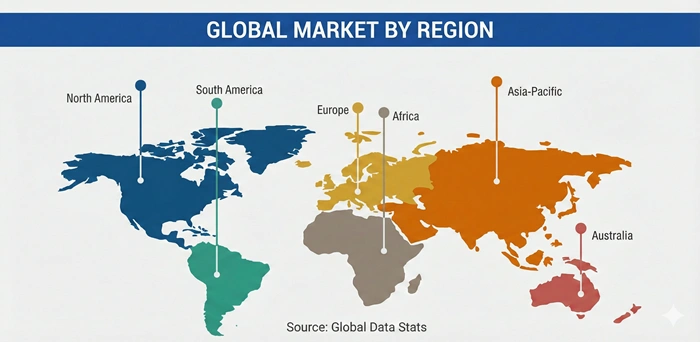
Asia Pacific dominates with approximately 55% of the global abrasives market share, valued at over USD 24.3 billion in 2025 and growing at 5.8% CAGR through 2033. The region benefits from massive manufacturing sectors, expanding automotive production, substantial metal fabrication capacity, and growing machinery manufacturing industries concentrated across China, India, Japan, and South Korea. China alone accounts for nearly 40% of global abrasive consumption as the country's dominant manufacturing economy spanning automotive, machinery, construction equipment, and consumer goods drives enormous demand across production and maintenance applications. India shows particularly strong growth as manufacturing capacity expansion, infrastructure development, and growing automotive sector create substantial abrasive consumption increases.
Major regional producers including CUMI (Carborundum Universal), Noritake, Sankyo-Rikagaku, and Chinese manufacturers including Zhengzhou Abrasives Grinding Research Institute dominate through large-scale production facilities, cost-competitive operations, and established distribution networks serving domestic and export markets. These companies benefit from proximity to raw material sources, lower manufacturing costs, and integrated supply chains spanning abrasive grain production through finished tool manufacturing. Regional automotive production exceeding 50 million vehicles annually drives substantial volumes across engine manufacturing, transmission assembly, body fabrication, and finishing operations. Metal fabrication and machinery sectors consuming billions of cutting wheels, grinding discs, and sanding products support infrastructure construction, industrial equipment manufacturing, and countless other applications throughout rapidly industrializing economies.
North America
Mature Market Emphasizing Technology Innovation and Premium Applications
North America represents approximately 20% of global market share, growing at 4.8% CAGR as automotive manufacturing, aerospace machining, and precision manufacturing drive demand for high-performance abrasive products. The region emphasizes technology leadership, application development expertise, and premium products serving demanding industries requiring consistent quality, technical support, and specialized solutions for challenging materials and tight tolerances. United States leads regional production and consumption through established manufacturing infrastructure, proximity to major automotive and aerospace customers, and innovation in advanced abrasive technologies. The reshoring trend and manufacturing investment revival support stable demand growth as companies establish or expand domestic production capacity.
Leading North American operations of global manufacturers including 3M, Saint-Gobain Abrasives, Norton Abrasives, and Carborundum Abrasives serve regional markets through domestic production, extensive distribution networks, and technical service organizations. The region's competitive advantages emphasize innovation including engineered ceramic grains, precision-shaped abrasives, and application-optimized bonding systems delivering measurable productivity improvements justifying premium pricing. Aerospace sector concentration in North America drives demand for super abrasive products including diamond and CBN wheels serving titanium alloy machining, nickel superalloy grinding, and composite material finishing operations where extreme hardness and thermal stability enable economical processing of difficult materials. Automotive and heavy equipment manufacturers increasingly adopt advanced abrasive solutions delivering faster cycle times, extended tool life, and improved surface finishes reducing manufacturing costs while maintaining quality standards.
Top Key Players
-
3M Company (United States)
-
Saint-Gobain Abrasives (France)
-
Robert Bosch GmbH (Germany)
-
Tyrolit Group (Austria)
-
Noritake Co., Limited (Japan)
-
CUMI (Carborundum Universal Ltd.) (India)
-
VSM Abrasives (Germany)
-
Klingspor AG (Germany)
-
Mirka Ltd. (Finland)
-
Fujimi Corporation (Japan)
-
Sankyo-Rikagaku Co., Ltd. (Japan)
-
Norton Abrasives (Saint-Gobain) (United States)
-
CGW Abrasives (Camel Grinding Wheels) (United States)
-
Sia Abrasives (Switzerland)
Recent Developments
-
3M Company (2024) – Launched next-generation ceramic abrasive grain technology featuring optimized microstructure delivering 30% longer life and 25% faster material removal rates compared to previous generation products targeting automotive and metal fabrication applications requiring maximum productivity
-
Saint-Gobain Abrasives (2025) – Announced USD 120 million investment expanding manufacturing capacity in India and Southeast Asia increasing grinding wheel and coated abrasive production 35% serving growing Asian automotive and machinery sectors with localized supply chains reducing lead times
-
Tyrolit Group (2024) – Acquired specialty super abrasive manufacturer strengthening position in precision grinding applications for aerospace, medical devices, and electronics requiring diamond and CBN products for ultra-hard materials and tight tolerance machining operations
-
CUMI (2025) – Opened new research and development center in Bangalore focusing on engineered grain technology development, advanced bonding systems, and application optimization supporting automotive electrification and precision manufacturing trends requiring specialized abrasive solutions
-
Noritake (2024) – Completed expansion of vitrified bonded wheel production facility in Thailand increasing capacity 40% for automotive crankshaft grinding and precision bearing manufacturing applications serving expanding Asian vehicle production and machinery sectors
Market Trends
Technology Innovation and Sustainability Initiatives Reshaping Industry Dynamics
The abrasives market experiences fundamental shifts toward engineered grain technologies as manufacturers invest heavily in ceramic aluminum oxide formulations with controlled microstructures delivering superior performance compared to conventional fused grains. Seeded gel processes enable precise control over crystal size, shape, and porosity producing tough, blocky grains that fracture predictably exposing fresh cutting edges maintaining grinding efficiency throughout extended tool life. These advanced materials command premium pricing in demanding applications where productivity improvements justify higher costs through reduced cycle times, extended wheel life, and improved surface finishes. Precision-shaped grains featuring engineered geometries optimize material removal mechanisms and heat dissipation characteristics in coated abrasive products serving automotive finishing, metal fabrication, and woodworking applications requiring aggressive stock removal with minimal heat generation.
Sustainability considerations increasingly influence product development and manufacturing practices as companies address environmental concerns regarding dust generation, wheel disposal, and coolant contamination. Manufacturers develop dust-minimizing grain coatings and abrasive structures reducing airborne particulate generation protecting worker health and minimizing facility housekeeping requirements. Grinding wheel recycling programs emerge enabling recovery and reprocessing of spent wheels traditionally destined for landfills supporting circular economy principles gaining importance among environmentally conscious customers. Water-based coolants and minimum quantity lubrication systems reduce environmental impact and disposal costs compared to traditional flood coolant applications while potentially improving grinding performance through enhanced chip evacuation and reduced thermal damage.
Segments Covered in the Report
By Product Type
-
Bonded Abrasives (Grinding Wheels, Cutting Wheels, Mounted Points, Segments)
-
Coated Abrasives (Sanding Belts, Sheets, Discs, Rolls)
-
Super Abrasives (Diamond, Cubic Boron Nitride)
By Material
-
Natural Abrasives (Garnet, Emery, Corundum)
-
Synthetic Abrasives (Aluminum Oxide, Silicon Carbide, Ceramic, Diamond, CBN)
By Application
-
Grinding
-
Cutting
-
Polishing
-
Lapping
-
Others
By End-Use Industry
-
Automotive
-
Metal Fabrication
-
Machinery
-
Electrical & Electronics
-
Construction
-
Aerospace
-
Wood & Furniture
-
Others
By Region
-
North America
-
Europe
-
Asia Pacific
-
Latin America
-
Middle East & Africa
Frequently Asked Questions
Question 1: What drives growth in the abrasives market globally?
Answer: The abrasives market experiences robust growth from expanding automotive production requiring extensive grinding and finishing operations across vehicle manufacturing. Metal fabrication sector expansion and infrastructure development also contribute significantly as construction equipment, machinery manufacturing, and industrial maintenance drive sustained abrasive consumption worldwide.
Question 2: Which region leads the abrasives market currently?
Answer: Asia Pacific dominates the abrasives market with approximately 55% share backed by massive manufacturing capacity and expanding automotive production. The region benefits from cost-competitive operations and growing industrial sectors across China, India, Japan, and South Korea driving both production leadership and consumption growth.
Question 3: How do engineered grains impact the abrasives market?
Answer: Engineered grain technologies significantly influence the abrasives market through ceramic aluminum oxide formulations delivering superior performance versus conventional materials. These advanced grains command premium pricing while providing productivity advantages through faster material removal rates and extended tool life justifying higher costs in demanding applications.
Question 4: What applications consume the most abrasives market production?
Answer: Automotive applications lead the abrasives market representing approximately 35% of consumption across engine manufacturing, body finishing, and component machining. Metal fabrication and machinery manufacturing follow as major end-use sectors consuming substantial volumes for cutting structural steel, grinding weld joints, and precision component manufacturing.
Question 5: Which product segment shows fastest growth in the abrasives market?
Answer: Super abrasives demonstrate the strongest growth trajectory in the abrasives market with projected CAGR approaching 6.2% through 2033. Diamond and cubic boron nitride products serve precision manufacturing, aerospace machining, and advanced ceramics processing requiring extreme hardness and thermal stability for challenging material applications.