
2D Materials Market Overview
Advanced Nanomaterials Transform Electronics, Energy Storage, and Semiconductor Industries Through Atomic-Scale Engineering
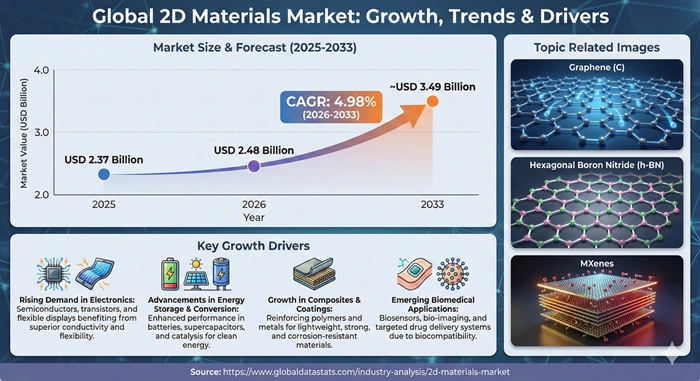
The global 2D materials market size is valued at USD 2.37 billion in 2025 and is predicted to increase from USD 2.48 billion in 2026 to approximately USD 3.49 billion by 2033, growing at a CAGR of 4.98% from 2026 to 2033. This cutting-edge materials industry encompasses atomically thin nanomaterials including graphene, transition metal dichalcogenides, hexagonal boron nitride, MXenes, and black phosphorus demonstrating exceptional electrical conductivity, mechanical strength, and optical properties. Two-dimensional materials enable revolutionary applications across electronics, energy storage, sensors, composite materials, and biomedical devices where conventional bulk materials cannot achieve comparable performance at nanoscale dimensions.
The 2D materials market addresses escalating demand for miniaturized electronics, high-performance energy storage systems, and sustainable manufacturing solutions requiring materials with superior electrical transport, thermal management, and mechanical properties. These atomic-layer materials demonstrate unique quantum effects, tunable bandgaps, and extraordinary surface-to-volume ratios enabling applications ranging from flexible displays and next-generation semiconductors to advanced battery electrodes and biomedical sensors. Major technology sectors including consumer electronics, automotive systems, renewable energy, aerospace, and healthcare consume substantial 2D material volumes as manufacturers pursue product differentiation through enhanced performance, reduced weight, and improved energy efficiency throughout device lifecycles.
AI Impact on the 2D Materials Industry
Machine Learning and Computational Design Revolutionize Material Discovery and Manufacturing Optimization
Artificial intelligence transforms the 2D materials market through computational materials science predicting atomic structures, electronic properties, and stability characteristics before expensive synthesis experiments. Machine learning algorithms trained on thousands of known 2D materials identify novel compositions, stacking configurations, and heterostructure designs achieving target properties including specific bandgaps, carrier mobilities, or mechanical strengths. These AI-powered discovery platforms accelerate materials development from decades to months by virtually screening millions of potential combinations eliminating unsuitable candidates before laboratory synthesis. Deep learning models analyze high-resolution microscopy images performing automated defect detection identifying grain boundaries, vacancies, and contamination at atomic resolution impossible through manual inspection enabling real-time quality control during chemical vapor deposition and liquid-phase extrusion processes.
Advanced AI applications extend beyond materials discovery to revolutionize manufacturing process optimization within the 2D materials market landscape. Neural networks control chemical vapor deposition systems monitoring precursor flow rates, substrate temperatures, and chamber pressures in real-time automatically adjusting parameters achieving uniform large-area films with controlled layer numbers and minimized defects. Computer vision systems integrated with Raman spectroscopy equipment perform rapid quality verification mapping graphene quality across entire wafers detecting thickness variations, doping levels, and structural defects enabling immediate process corrections. Predictive analytics optimize liquid-phase exfoliation yields analyzing solvent properties, ultrasonic parameters, and centrifugation conditions maximizing production rates while minimizing defects and maintaining consistent flake size distributions. These AI-driven capabilities position manufacturers to achieve six-sigma quality levels while reducing production costs by 30-40% and accelerating commercialization timelines throughout forecast period.
Growth Factors
Semiconductor Miniaturization and Energy Storage Demands Drive Unprecedented 2D Materials Adoption
The 2D materials market experiences robust growth propelled by semiconductor industry evolution where traditional silicon scaling approaches physical limitations requiring novel materials enabling continued transistor miniaturization. Moore's Law progression below 3-nanometer technology nodes encounters fundamental challenges including quantum tunneling, heat dissipation, and power consumption where silicon-based architectures cannot maintain performance improvements. Transition metal dichalcogenides particularly molybdenum disulfide and tungsten diselenide demonstrate atomically thin channels with excellent electrostatic control enabling gate lengths below 1 nanometer while maintaining acceptable subthreshold slopes and on-off ratios. Major semiconductor manufacturers including Samsung, TSMC, and Intel invest substantially in 2D material integration research targeting 1-nanometer nodes and beyond where conventional materials physically cannot achieve required electrical characteristics. Flexible electronics revolution drives specialized 2D material demand where foldable smartphones, wearable health monitors, and rollable displays require transparent conductive films and semiconductor channels maintaining performance through repeated bending cycles.
Energy storage sector expansion drives 2D materials market growth through specialized applications in lithium-ion batteries, supercapacitors, and hydrogen fuel cells requiring enhanced electrical conductivity, surface area, and electrochemical stability. Graphene and MXene materials demonstrate exceptional electrical conductivity and mechanical flexibility enabling advanced battery electrode designs with higher energy densities, faster charging rates, and extended cycle lifetimes compared to conventional carbon-based materials. Electric vehicle battery development pursuing 300+ Wh/kg energy densities and 15-minute fast-charging capabilities incorporates 2D material additives improving electrical percolation networks within thick electrodes maintaining performance at high mass loadings. Supercapacitor applications requiring high power density and millions of charge-discharge cycles utilize MXene electrodes achieving exceptional capacitances exceeding 1000 F/g through pseudocapacitive charge storage mechanisms. Hydrogen fuel cell development incorporates graphene-based catalyst supports reducing platinum loading requirements by 40-60% while maintaining catalytic activity and durability across demanding automotive operating conditions throughout forecast period.
Market Outlook
Manufacturing Scale-Up and Application Diversification Position Industry for Sustained Long-Term Expansion
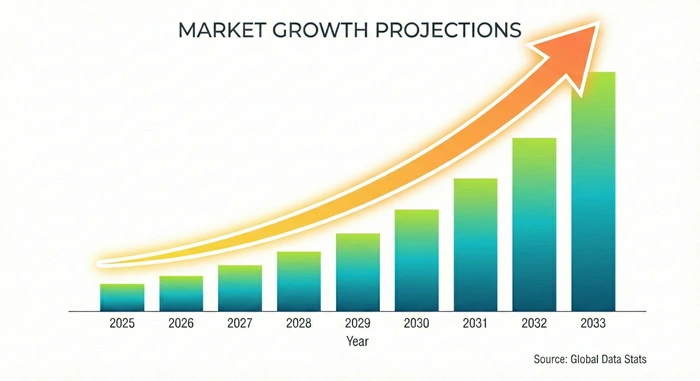
The 2D materials market outlook remains exceptionally positive as manufacturers invest substantially in large-scale production technologies addressing cost and quality constraints restricting broader commercialization. Roll-to-roll chemical vapor deposition systems producing meter-wide graphene films on flexible substrates demonstrate continuous manufacturing capabilities achieving costs approaching 100 dollars per square meter enabling consumer electronics and automotive applications. Liquid-phase exfoliation technologies achieving multi-kilogram production batches of graphene nanoplatelets, MXene flakes, and TMD dispersions serve composite materials, coatings, and energy storage markets requiring commodity volumes at competitive pricing. Electrochemical exfoliation methods producing high-quality graphene with controlled oxidation levels and minimal defects demonstrate scalability potential for specialty applications including transparent conductors and sensor platforms. Advanced heterostructure fabrication combining multiple 2D materials through layer-by-layer assembly or direct growth creates customized electronic and optical properties enabling next-generation devices impossible with single-material systems.
Investment trends within the 2D materials market reflect growing confidence in long-term demand fundamentals as chemical companies, materials suppliers, and technology corporations expand research budgets and pilot production facilities. Samsung Advanced Institute of Technology, BASF, LG Chem, and Sixth Element Materials maintain robust capital expenditure programs commissioning production lines targeting electronics, composites, and energy storage applications. Acquisition activity intensifies as multinational corporations pursue market entry through strategic acquisitions of 2D materials startups, university spin-offs, and specialized producers accessing intellectual property, manufacturing expertise, and customer relationships. Vertical integration strategies connecting raw material suppliers with materials processors and device manufacturers create streamlined supply chains reducing costs and accelerating technology transfer from laboratory demonstrations to commercial products. These favorable dynamics position the market for sustained expansion exceeding general advanced materials industry growth rates through 2033.
Expert Speaks
-
LG Chem Materials Division Leadership, highlighted operational excellence: "Shipments of alignment layers and fluorinated polyimide films for OLEDs rose by 11 percent year-on-year reflecting strong OLED production expansion in South Korea. Samsung Display's Gen 10.5 production line demonstrates continued technology leadership requiring advanced materials solutions where two-dimensional materials play increasingly important roles in next-generation display architectures".
-
BASF Research Leadership, emphasized innovation priorities: "With the new X3D catalyst shaping technology, BASF has achieved a technological breakthrough in catalyst manufacturing based on 3D printing producing catalysts with customized geometrical shapes offering optimized performance and efficiency. The innovative technology enables industrial-scale production featuring open structures and enlarged surface areas significantly reducing pressure drop in reactors and improving overall catalyst performance".
-
Industry Research Leadership, articulated materials convergence: "The exploration of 2D materials is poised to develop various industries including telecommunications, energy harvesting, and imaging technologies. Novel 2D heterostructured electrodes particularly those merging graphdiyne with MXenes garnering significant attention showing remarkable potential in enhancing ionic and electron mobility crucial for energy storage and conversion technologies".
Key Report Takeaways
-
North America dominates the 2D materials market with commanding share exceeding 36%, driven by concentrated research infrastructure, technology companies, and government funding across United States and Canada where semiconductor development, defense applications, and university research consume substantial graphene and TMD materials supported by innovation ecosystems.
-
Asia Pacific emerges as the fastest-growing regional market with projected CAGR approaching 5.8% through 2033, propelled by semiconductor manufacturing expansion, display production, and electric vehicle battery development where China, Japan, and South Korea invest substantially in 2D materials research and commercialization.
-
Graphene represents the dominant material segment accounting for approximately 58% market share due to established production methods, extensive research foundation, and proven applications across electronics, composites, and energy storage where exceptional electrical conductivity and mechanical strength justify continued market leadership.
-
Electronics applications constitute the largest end-use segment capturing substantial market share driven by flexible displays, transparent conductors, semiconductor channels, and interconnects requiring superior electrical properties, optical transparency, and mechanical flexibility where miniaturization trends create sustained demand.
-
Composites and coatings maintain significant application share representing dominant industrial segment due to graphene and boron nitride additives enhancing mechanical strength, thermal conductivity, and barrier properties across aerospace, automotive, and construction materials where performance improvements justify premium pricing.
-
MXenes and TMDs exhibit exceptional growth potential with anticipated CAGR exceeding 8.5% through 2033, attributed to emerging applications in energy storage electrodes, electromagnetic interference shielding, and photodetectors where unique properties complement established graphene applications expanding addressable markets.
Market Scope
| Report Coverage Details | |
|---|---|
| Market Size by 2033 | USD 3.49 Billion |
| Market Size by 2025 | USD 2.37 Billion |
| Market Size by 2026 | USD 2.48 Billion |
| Market Growth Rate from 2026 to 2033 | CAGR of 4.98% |
| Dominating Region | North America |
| Fastest Growing Region | Asia Pacific |
| Base Year | 2025 |
| Forecast Period | 2026 to 2033 |
| Segments Covered | Material Type, Application, End-Use, Region |
| Regions Covered | North America, Europe, Asia Pacific, Latin America, Middle East & Africa |
Market Dynamics
Drivers Impact Analysis
Semiconductor Technology Evolution and Flexible Electronics Proliferation Accelerate 2D Materials Adoption
| Impact Factor | (≈) % Impact on CAGR Forecast | Geographic Relevance | Impact Timeline |
|---|---|---|---|
| Semiconductor Miniaturization | +1.8% | Global, Led by Asia Pacific | 2026-2033 |
| Energy Storage Innovation | +1.4% | Asia Pacific, North America | 2026-2033 |
| Flexible Electronics Growth | +1.2% | Global Markets | 2027-2033 |
| Government Research Funding | +0.9% | North America, Europe | 2026-2033 |
The 2D materials market benefits substantially from semiconductor industry imperatives where traditional silicon scaling encounters fundamental physical limitations requiring novel channel materials enabling continued transistor miniaturization. International Technology Roadmap for Semiconductors identifies 2D materials as critical enablers for sub-3-nanometer technology nodes where silicon gate control degradation and quantum tunneling phenomena prevent acceptable transistor performance. Transition metal dichalcogenides demonstrate atomically thin bodies eliminating short-channel effects while maintaining semiconducting properties with bandgaps ranging 1-2 electron volts suitable for digital logic applications. Major foundries including TSMC, Samsung Foundry, and Intel invest billions annually in advanced node development where 2D material integration addresses electrostatic control challenges, contact resistance optimization, and thermal management requirements. Flexible electronics revolution creates parallel demand drivers where foldable smartphones, wearable devices, and conformable sensors require electronic materials maintaining performance through repeated mechanical deformation cycles impossible with conventional silicon or metal oxide semiconductors.
Government research funding accelerates 2D materials market development through substantial investments in fundamental research, manufacturing infrastructure, and application development programs. United States National Science Foundation, Department of Energy, and Defense Advanced Research Projects Agency allocate hundreds of millions annually supporting university research, national laboratory programs, and public-private partnerships advancing 2D materials science and engineering. European Union Graphene Flagship initiative representing 1 billion euro investment over 10 years coordinates multinational research consortia spanning materials synthesis, device integration, and application demonstrations. Chinese government initiatives including Made in China 2025 and 14th Five-Year Plan designate 2D materials as strategic priority areas supporting domestic production capabilities and technology leadership ambitions. These coordinated funding programs accelerate fundamental discovery, manufacturing process development, and commercialization pathways reducing private sector investment risks and enabling sustained innovation throughout forecast period.
Restraints Impact Analysis
Production Costs and Quality Consistency Challenge Market Penetration Across Price-Sensitive Applications
| Restraint Factor | (≈) % Impact on CAGR Forecast | Geographic Relevance | Impact Timeline |
|---|---|---|---|
| High Production Costs | -1.4% | Global Markets | 2026-2033 |
| Quality Variability | -1.1% | Manufacturing Sectors | 2026-2031 |
| Scale-Up Challenges | -0.9% | Emerging Applications | 2026-2033 |
| Integration Complexity | -0.7% | Device Manufacturing | 2026-2030 |
The 2D materials market faces growth constraints from substantial production costs where high-quality materials command prices orders of magnitude higher than conventional alternatives limiting adoption to high-value applications. Chemical vapor deposition graphene on copper substrates achieving single-crystal quality and large-area uniformity costs 500-2000 dollars per square meter compared to 1-5 dollars for conventional transparent conductors like indium tin oxide restricting applications to premium segments. Liquid-phase exfoliated graphene demonstrating acceptable quality for composite applications costs 50-200 dollars per kilogram while carbon black and carbon nanotubes serving similar functions cost 5-20 dollars per kilogram creating value propositions only where performance improvements justify premium pricing. Specialty 2D materials including MXenes, TMDs, and black phosphorus produced through multi-step synthesis procedures with carefully controlled atmospheres and expensive precursors demonstrate prohibitive costs for commodity applications. These economic constraints limit addressable markets to applications where unique properties enable breakthrough performance or enable impossible functionalities justifying material cost premiums.
Quality consistency challenges constrain 2D materials market penetration across manufacturing applications requiring batch-to-batch reproducibility and long-term supply reliability. Chemical vapor deposition processes demonstrate sensitivity to substrate quality, precursor purity, temperature uniformity, and chamber cleanliness where slight variations produce films with different layer numbers, grain sizes, and defect densities affecting electrical and mechanical properties. Liquid-phase exfoliation methods yield distributions of flake sizes, thicknesses, and oxidation states requiring extensive sorting and characterization procedures adding costs and limiting throughput. Transfer processes moving CVD-grown films from metal substrates to target devices introduce tears, wrinkles, and contamination compromising device yield and performance. Lack of standardized quality metrics and characterization protocols across industry creates uncertainty where customers cannot reliably compare materials from different suppliers or predict device performance based on material specifications. These quality challenges restrict adoption to applications tolerating variability or where extensive qualification programs justify development investments throughout forecast period.
Opportunities Impact Analysis
Quantum Computing and Biomedical Sensing Create Substantial Growth Avenues Beyond Traditional Electronics
| Opportunity Factor | (≈) % Impact on CAGR Forecast | Geographic Relevance | Impact Timeline |
|---|---|---|---|
| Quantum Computing | +1.3% | North America, Europe | 2027-2033 |
| Biomedical Applications | +1.0% | Global Markets | 2026-2033 |
| Water Purification | +0.8% | Asia Pacific, Middle East | 2027-2033 |
| Electromagnetic Shielding | +0.6% | Electronics Manufacturing | 2026-2033 |
The 2D materials market stands to capture substantial value from quantum computing development where atomic-scale materials enable qubit implementations, quantum interconnects, and cryogenic electronics operating at millikelvin temperatures. Hexagonal boron nitride demonstrates exceptional properties as ultra-flat substrate supporting graphene-based quantum devices where atomically smooth surfaces eliminate charge traps and disorder enabling quantum Hall effect observations and coherent electron transport. Transition metal dichalcogenides particularly tungsten diselenide host optically addressable spin-valley qubits where circularly polarized light manipulates quantum states enabling quantum information processing at elevated temperatures approaching liquid nitrogen conditions. Graphene-based Josephson junctions replacing conventional aluminum or niobium superconducting elements demonstrate tunable critical currents enabling novel quantum circuit architectures. Major quantum computing companies including IBM, Google, and emerging startups explore 2D materials integration addressing scalability, coherence time, and operating temperature challenges limiting current qubit implementations throughout forecast period.
Biomedical sensing applications present exceptional growth opportunities for the 2D materials market as healthcare industry pursues point-of-care diagnostics, continuous monitoring, and personalized medicine requiring sensitive, selective, and biocompatible sensors. Graphene field-effect transistors demonstrate single-molecule detection sensitivity enabling ultra-low concentration measurements of disease biomarkers including proteins, nucleic acids, and metabolites in blood, saliva, or urine samples. MXene-based wearable sensors conforming to skin surfaces monitor physiological parameters including heart rate, respiration, hydration, and electrocardiogram signals enabling continuous health monitoring and early disease detection. Functionalized 2D materials incorporating antibodies, aptamers, or synthetic receptors provide selective recognition of target analytes among complex biological matrices enabling multiplexed diagnostic panels from finger-prick blood volumes. Antimicrobial properties of graphene oxide and certain MXenes enable wound dressings, implant coatings, and medical device surfaces preventing bacterial colonization and infection. These diverse healthcare applications expand addressable markets beyond traditional electronics creating sustained growth opportunities throughout forecast period.
Segment Analysis
By Material Type: Graphene
Established Production Infrastructure and Extensive Application Portfolio Sustain Graphene Segment Market Leadership
Graphene materials command the largest share within the 2D materials market, accounting for approximately 58% of global revenue with continued expansion projected at steady CAGR of 4.6% through 2033. This material category encompasses single-layer to few-layer graphene produced through chemical vapor deposition, liquid-phase exfoliation, epitaxial growth, and chemical reduction methods demonstrating exceptional electrical conductivity exceeding 106 S/m, thermal conductivity approaching 5000 W/mK, and mechanical strength surpassing 130 GPa. The 2D materials market benefits from graphene's established commercial production infrastructure where companies including NanoXplore, Sixth Element Materials, and Graphenea operate multi-ton annual capacity facilities serving diverse applications. Processing versatility enables dispersion formulations for coatings and composites, powder forms for additive manufacturing and energy storage, and film formats for electronics and membranes. Material variants including graphene oxide, reduced graphene oxide, and functionalized derivatives provide tailored properties addressing specific application requirements spanning electrical conductivity, dispersibility, and surface chemistry.
North America and Europe lead graphene consumption within the market, driven by advanced research ecosystems, early-stage commercialization efforts, and specialty application development. United States graphene market particularly benefits from defense applications, aerospace composites, and semiconductor research where government funding and technology company investments support material development and device integration programs. European Graphene Flagship initiative coordinating research across 150+ academic and industrial partners demonstrates applications ranging from automotive composites and energy storage to water filtration and biomedical devices. Leading regional companies including Applied Graphene Materials, Haydale Graphene Industries, and Directa Plus develop specialized graphene products serving niche markets including automotive coatings, polymer additives, and textile functionalization. Asia Pacific demonstrates fastest growth driven by consumer electronics manufacturing, electric vehicle battery production, and construction materials applications where Chinese producers including Sixth Element Materials and JCNANO operate large-scale production facilities. Composite applications particularly aerospace and automotive sectors incorporate graphene additives achieving 20-40% strength improvements and 30-50% weight reductions enabling fuel efficiency gains and performance enhancements throughout forecast period.
By Application: Electronics
Semiconductor Innovation and Display Technology Position Electronics as Dominant Application Category
Electronics applications represent the largest segment within the 2D materials market, capturing substantial market share driven by flexible displays, transparent conductors, semiconductor channels, and interconnect materials. This sector encompasses diverse device types including touchscreen displays utilizing graphene transparent electrodes, organic light-emitting diode encapsulation employing hexagonal boron nitride barriers, and radio-frequency transistors incorporating molybdenum disulfide channels. The 2D materials market benefits from electronics segment's technology pull where industry roadmaps identify atomic-layer materials as critical enablers for continued miniaturization, performance improvement, and novel device architectures. Foldable smartphone proliferation requires flexible transparent conductors and encapsulation layers maintaining optical transparency and electrical performance through hundreds of thousands of fold cycles where conventional indium tin oxide fractures at 2-3% strain. Next-generation semiconductor nodes below 3 nanometers require alternative channel materials where silicon electrostatic control degrades and 2D semiconductors maintain acceptable subthreshold characteristics.
Asia Pacific leads electronics applications within the market, driven by concentrated display manufacturing, semiconductor foundries, and consumer electronics assembly across South Korea, China, and Taiwan. Samsung Display and LG Display pioneer flexible OLED commercialization incorporating graphene heat spreaders, boron nitride encapsulation, and exploratory transparent electrode demonstrations. TSMC and Samsung Foundry invest billions in advanced semiconductor research where 2D material integration targets post-silicon transistor architectures achieving continued performance scaling. Chinese smartphone manufacturers including Oppo, Vivo, and Xiaomi pursue foldable display adoption creating sustained demand for flexible materials maintaining performance across repeated folding. Leading material suppliers including Samsung Advanced Institute of Technology, LG Chem Advanced Materials, and regional specialists develop customized graphene dispersions, TMD synthesis protocols, and heterostructure fabrication processes addressing specific customer requirements. North American and European electronics applications emphasize defense systems, aerospace avionics, and specialty sensors where performance and reliability justify premium material costs compared to consumer applications throughout forecast period.
Regional Insights
North America
Research Leadership and Technology Innovation Establish Regional Dominance in 2D Materials Development
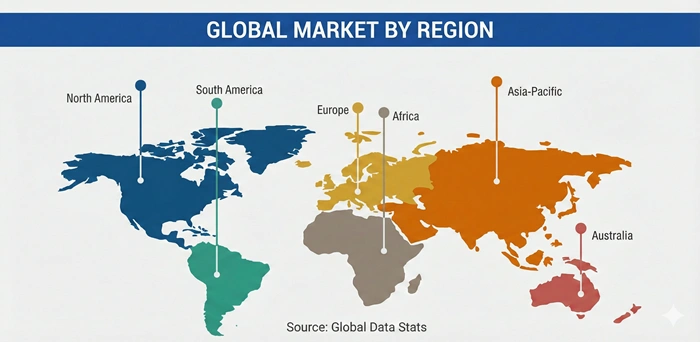
North America commands the 2D materials market with dominant share exceeding 36%, driven by concentrated research infrastructure, technology companies, and government funding across United States and Canada where university research, national laboratories, and corporate R&D centers advance fundamental science and application development. The United States alone accounts for approximately 82% of North American market share with research concentrations across Massachusetts, California, Texas, and major research universities including MIT, Stanford, and University of Texas advancing synthesis methods, characterization techniques, and device integration. National laboratory facilities including Oak Ridge, Argonne, and Sandia maintain specialized equipment and expertise supporting 2D materials research through user programs, collaborative projects, and directed research initiatives. Canada contributes substantially through university research at Toronto, McGill, and University of British Columbia alongside emerging commercial activities including NanoXplore operating graphene production facilities.
Government and corporate investment strengthen North America's market position through sustained research funding, intellectual property development, and commercialization pathways. United States federal research funding exceeding 150 million dollars annually supports university research, small business innovation programs, and manufacturing institutes advancing 2D materials science. Defense Advanced Research Projects Agency programs targeting electronics, sensing, and composite applications create demand pull for high-performance materials addressing military requirements. Corporate research investments by technology companies including IBM, Intel, and Applied Materials pursue semiconductor applications while aerospace companies including Boeing and Lockheed Martin explore structural composites. Leading material suppliers including ACS Material, Grolltex, and 2D Carbon Tech maintain North American operations serving research customers and developing commercial products. The region's market dominance continues through 2033 as intellectual property leadership, technology innovation, and application development create sustained competitive advantages supporting premium market positioning.
Asia Pacific
Manufacturing Scale and Electronics Integration Position Region as Fastest-Growing Geographic Market
Asia Pacific emerges as the fastest-growing regional 2D materials market with projected CAGR of 5.8% through 2033, propelled by semiconductor manufacturing expansion, display production leadership, and electric vehicle battery development. China leads regional market activity through government initiatives, manufacturing investments, and domestic consumption where Made in China 2025 strategy designates advanced materials as priority development area. Substantial production capacity including Sixth Element Materials, Ningbo Morsh Technology, and JCNANO operate multi-ton graphene production facilities serving domestic composites, battery, and coatings markets. South Korea demonstrates technology leadership through Samsung and LG research programs advancing display applications, semiconductor integration, and energy storage incorporating 2D materials across product development roadmaps. Japan contributes specialized materials research through universities and companies including Mitsubishi Chemical, Toray Industries, and national institutes pursuing applications from electronics to healthcare.
Regional market growth reflects concentrated electronics manufacturing, infrastructure development, and technology adoption creating diverse application opportunities. Display manufacturing particularly OLED production by Samsung Display, LG Display, and Chinese competitors incorporates graphene heat spreaders, encapsulation materials, and exploratory flexible conductor demonstrations. Semiconductor foundries including TSMC, Samsung Foundry, and SMIC invest substantially in advanced node development where 2D materials research targets future technology nodes. Electric vehicle battery production by CATL, LG Energy Solution, and Panasonic evaluates graphene and MXene additives improving electrode performance and enabling fast-charging capabilities. Leading regional suppliers including Cambridge Nanosystems, Avanzare, and emerging Chinese producers develop manufacturing processes addressing cost, quality, and scale requirements. Infrastructure applications particularly construction materials and coatings incorporate graphene additives achieving enhanced properties across cement, asphalt, and protective coatings. The region's market growth continues accelerating through 2033 as manufacturing scale, technology adoption, and domestic consumption create favorable dynamics supporting market expansion throughout forecast period.
Top Key Players
-
Samsung Advanced Institute of Technology (South Korea)
-
BASF SE (Germany)
-
LG Chem Ltd. (South Korea)
-
Sixth Element Materials Technology (China)
-
AIXTRON SE (Germany)
-
ACS Material LLC (United States)
-
Cambridge Nanosystems Ltd. (United Kingdom)
-
NanoXplore Inc. (Canada)
-
CVD Equipment Corporation (United States)
-
Thomas Swan & Co. Ltd. (United Kingdom)
-
Directa Plus (Italy)
-
Haydale Graphene Industries Plc (United Kingdom)
-
Graphenea S.A. (Spain)
-
Grolltex Inc. (United States)
-
2D Carbon Tech Inc. (United States)
Recent Developments
-
Samsung Advanced Institute of Technology (2024): Advanced flexible display research incorporating 2D materials for next-generation foldable smartphones and rollable screens demonstrating enhanced durability through hundreds of thousands of fold cycles, positioning company for continued leadership in premium mobile device segment requiring breakthrough materials enabling novel form factors and user experiences.
-
BASF (2025): Announced Research Press Briefing showcasing X3D catalyst shaping technology breakthrough based on 3D printing producing catalysts with customized geometrical shapes featuring open structures and enlarged surface areas, with new Ludwigshafen production facility starting operations in 2026 expanding manufacturing capacity addressing high customer demand.
-
LG Chem (2025): Reported materials division shipments of alignment layers and fluorinated polyimide films for OLEDs increasing 11% year-on-year coinciding with expanded OLED production in South Korea led by Samsung Display's Gen 10.5 line, demonstrating strong market momentum in advanced display materials and specialty chemicals.
-
NanoXplore (2024): Expanded graphene production capacity substantially increasing manufacturing capabilities to serve growing demand across composites, coatings, and energy storage applications, reflecting confidence in long-term market growth and positioning company to capture opportunities across diverse industrial sectors requiring high-volume graphene supplies.
-
Sixth Element Materials (2025): Strengthened market position as leading Chinese graphene producer advancing manufacturing processes improving quality consistency and cost competitiveness while expanding application portfolio spanning from structural composites to battery additives, targeting both domestic consumption and international export markets throughout Asia Pacific and beyond.
Market Trends
Heterostructure Engineering and Manufacturing Automation Reshape Industry Competitive Dynamics
The 2D materials market experiences transformative trends centered on heterostructure development where stacking different 2D materials creates artificial crystals with designer electronic and optical properties impossible in natural materials. Van der Waals heterostructures combining graphene with hexagonal boron nitride and transition metal dichalcogenides demonstrate moiré superlattice effects enabling correlated electron phenomena, exotic superconductivity, and quantum Hall physics. Twisted bilayer graphene at magic angles exhibits superconductivity and Mott insulator behavior creating platforms for fundamental physics research and potential quantum device applications. Vertical heterostructures incorporating multiple 2D materials with precisely controlled layer sequences enable tunneling field-effect transistors, resonant tunneling diodes, and photovoltaic devices with performance exceeding conventional semiconductor heterostructures. Manufacturing techniques including layer-by-layer transfer, direct growth heteroepitaxy, and pick-and-place assembly enable customized heterostructure fabrication addressing specific application requirements throughout forecast period.
Manufacturing automation trends reshape the 2D materials market as producers implement advanced robotics, machine vision, and process control systems achieving consistent quality at commercial scales. Automated chemical vapor deposition systems incorporating real-time monitoring and feedback control maintain precise temperature, pressure, and precursor flow conditions across large-area substrates eliminating operator variability. Robotic transfer systems handling delicate 2D films with precision positioning and contamination control enable high-yield device fabrication impossible with manual processing. Machine learning algorithms analyze production data identifying process drifts, equipment degradation, and quality issues enabling predictive maintenance and continuous process optimization. Roll-to-roll manufacturing technologies adapted from printed electronics industry demonstrate potential for meter-wide continuous production of graphene films, coating applications, and laminated structures achieving economies of scale. These manufacturing advances enable cost reductions and quality improvements accelerating commercialization across applications previously constrained by material availability, consistency, or cost barriers throughout forecast period.
Segments Covered in the Report
By Material Type
-
Graphene (Single-Layer, Few-Layer, Graphene Oxide)
-
Transition Metal Dichalcogenides (MoS2, WS2, WSe2)
-
Hexagonal Boron Nitride
-
MXenes
-
Black Phosphorus
-
Others (Silicene, Germanene, Phosphorene)
By Application
-
Electronics (Semiconductors, Transparent Conductors, Flexible Displays)
-
Energy Storage (Battery Electrodes, Supercapacitors, Fuel Cells)
-
Composites and Coatings (Structural Composites, Functional Coatings, Barrier Films)
-
Sensors (Chemical Sensors, Biosensors, Gas Sensors)
-
Biomedical (Drug Delivery, Tissue Engineering, Diagnostics)
-
Others
By End-Use
-
Consumer Electronics
-
Automotive
-
Aerospace and Defense
-
Energy and Power
-
Healthcare
-
Construction
-
Others
By Region
-
North America (United States, Canada, Mexico)
-
Europe (Germany, United Kingdom, France, Italy, Spain, Rest of Europe)
-
Asia Pacific (China, Japan, South Korea, India, Taiwan, Rest of Asia Pacific)
-
Latin America (Brazil, Argentina, Rest of Latin America)
-
Middle East & Africa (UAE, Saudi Arabia, South Africa, Rest of MEA)
Frequently Asked Questions
Question 1: What is the projected size of the 2D materials market by 2033?
Answer: The global 2D materials market is expected to reach approximately USD 3.49 billion by 2033, growing from USD 2.48 billion in 2026. This expansion reflects increasing adoption across electronics, energy storage, composites, and emerging applications driven by semiconductor miniaturization, flexible device proliferation, and government research funding.
Question 2: Which region dominates the 2D materials market currently?
Answer: North America leads the 2D materials market with over 36% share, driven by concentrated research infrastructure, technology companies, and government funding across United States and Canada. Leading organizations including Samsung Advanced Institute, BASF, universities, and national laboratories maintain dominant research and development positions.
Question 3: What are the primary drivers of 2D materials market growth?
Answer: Key growth drivers include semiconductor miniaturization requiring novel channel materials for sub-3-nanometer nodes, energy storage innovation pursuing higher performance batteries and supercapacitors, flexible electronics proliferation in displays and wearables, and government research funding supporting fundamental science and commercialization. These factors create sustained demand across technology sectors.
Question 4: Which material type holds the largest 2D materials market share?
Answer: Graphene dominates the 2D materials market with approximately 58% share due to established production infrastructure, extensive research foundation, and proven applications across electronics, composites, and energy storage. Exceptional electrical conductivity, mechanical strength, and thermal properties justify continued market leadership despite emerging competition from MXenes and TMDs.
Question 5: How do 2D materials compare to conventional semiconductor materials?
Answer: 2D materials offer atomic-scale thickness enabling superior electrostatic control in nanoscale transistors, tunable bandgaps through composition and stacking variations, and mechanical flexibility maintaining performance through bending. However, they face challenges including higher production costs, quality consistency issues, and integration complexity compared to established silicon processes requiring continued development for mainstream adoption.